Memory Prices Predicted to Rise 50% in Q3 2026 - Jefferies and Lenovo Warn of a Structural Crisis That Could Last Until 2030
A 32GB DDR5 kit that cost $110 in late 2024 now goes for over $280. A 2TB NVMe SSD that was $150 is now pushing $400. If you thought the 2025 memory price hikes were painful, the next two years are...

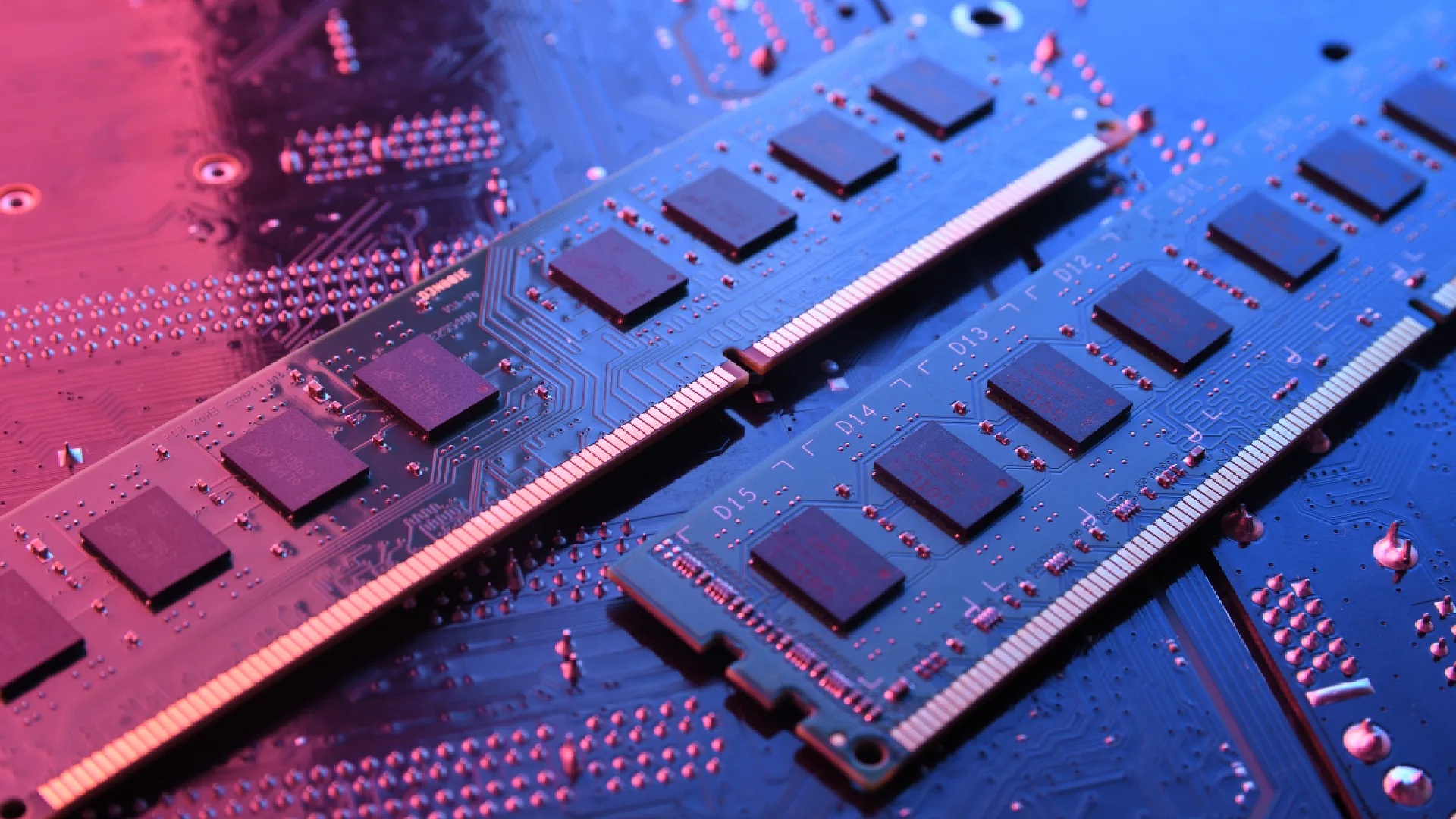
A 32GB DDR5 kit that cost $110 in late 2024 now goes for over $280. A 2TB NVMe SSD that was $150 is now pushing $400. If you thought the 2025 memory price hikes were painful, the next two years are going to be a lot worse. Financial analysts at Jefferies and PC giant Lenovo have independently sounded the alarm: memory prices are set to surge another 40, 50% in Q3 2026, with no meaningful relief expected until at least 2028. And according to Lenovo, we may never see cheap RAM again.
This isn't your typical cyclical boom-and-bust. It's a structural shift driven by AI's insatiable hunger for High-Bandwidth Memory (HBM), which is cannibalizing the production capacity for the DRAM and NAND flash that powers everything from gaming PCs to smartphones. Here's what the forecasts mean for your next build, your wallet, and the entire computing industry.
The Numbers, One Stat to Rule Them All
The scale of the price increases is staggering, but you don't need to memorize a dozen figures. The one number you need to know: a DDR5 chip that cost $6.84 in September 2025 was selling for $27.20 by December, a near-4x jump in a single quarter. NAND flash contract prices multiplied 4.2, 4.5x from Q4 2025 through Q2 2026. Global DRAM prices overall have risen 171% since the shortage began.
Analysts are calling it a "Hyper-Bull" trajectory, eclipsing even the historic 2018 memory boom peak. Jefferies forecasts another 40, 50% sequential increase in Q3 2026, followed by 30, 40% in Q4 2026. Those quarterly jumps compound fast. If you thought DDR5 was expensive now, just wait.
And the pain cascades down to legacy products. Even DDR2 and DDR3 contract prices are spiking as hardware manufacturers scramble for any available memory. Yes, DDR3, the stuff you thought died in 2012. Nothing is immune.
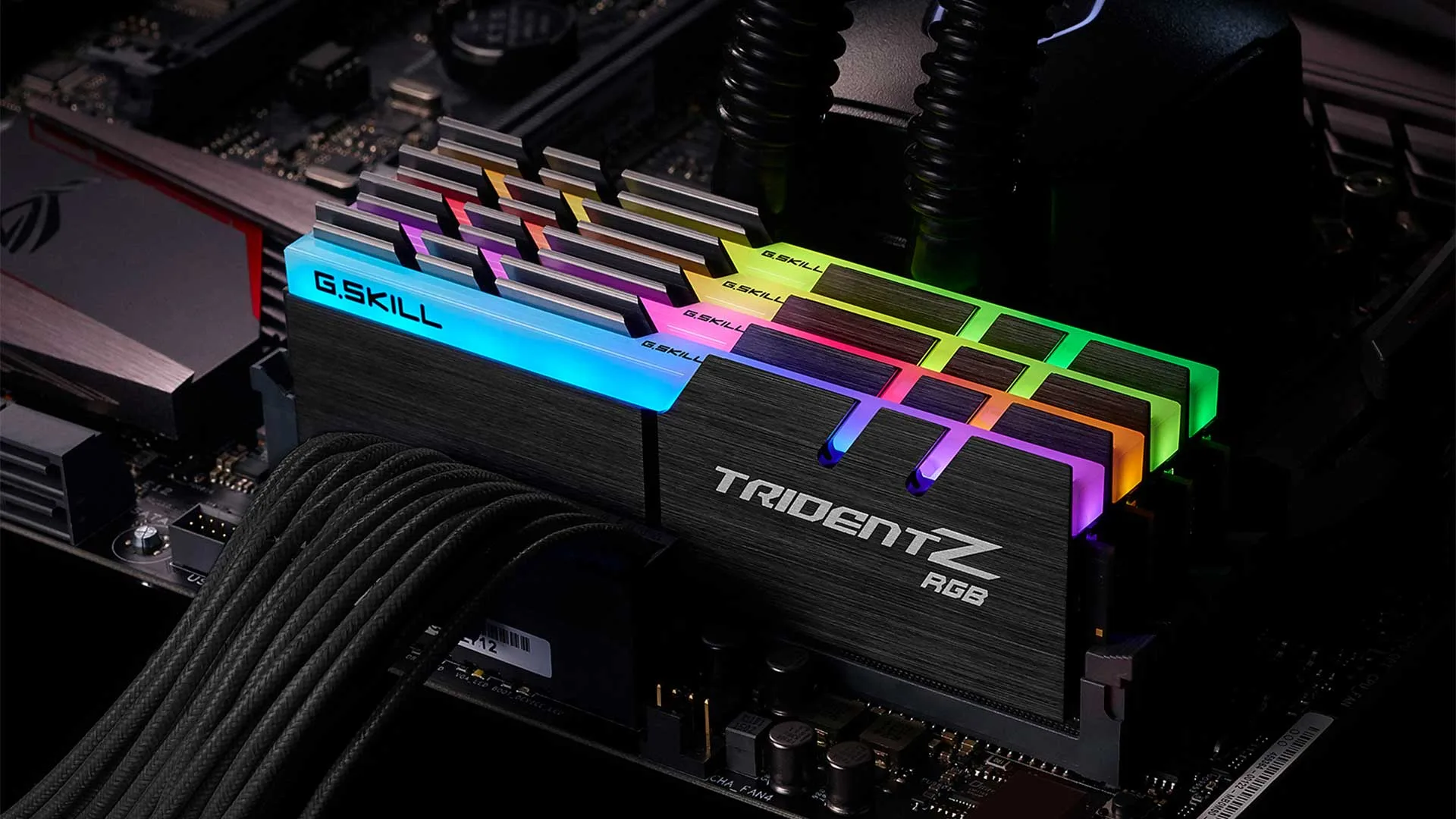
Root Cause, AI's HBM Demand Is Starving Conventional Memory
The root cause isn't a natural disaster or a supply chain hiccup. It's the relentless growth of AI data centers, which consume vast quantities of High-Bandwidth Memory. HBM now accounts for roughly 23% of total DRAM wafer capacity. That means nearly a quarter of the world's DRAM fabrication lines are dedicated to chips that never go into a PC, a phone, or a server, they go directly into AI accelerators.
Manufacturers like Samsung, SK Hynix, and Micron are reallocating production lines to HBM because that's where the margins are. AI demand is persistent and growing, not tied to seasonal or supply-snag patterns. This is a structural shift: the conventional DRAM and NAND capacity that used to serve the PC and consumer electronics markets is being permanently reduced.
Chinese producers like YMTC have gained some NAND market share (from 8% to 13% in Q1 2025), but they can't provide near-term price relief. Their capacity is still a fraction of what the market needs, and they face their own technology constraints.
The shortage is infecting every memory type. Because new DRAM is scarce and expensive, manufacturers are turning to older types like DDR3, driving up prices even for those legacy chips. The entire ecosystem is destabilized.
Who Gets Hit, And Yes, Gamers Are First in Line
This crisis has no single victim, but gamers and PC builders are feeling the sharpest pain.
For gamers, the numbers hit home immediately. A 32GB DDR5-6000 kit that cost $110 in late 2024 now costs over $280. A 2TB PCIe 4.0 SSD that was $150 is now $400. That's an extra $420 on a single build component, and that's before the next round of 40, 50% quarterly hikes. For anyone looking to build a new system in 2026, the window of affordable memory has slammed shut. If you're planning a gaming PC, lock in memory purchases before June 2026. Consider dropping from 64GB to 32GB to manage costs. And if your current system still runs the games you play, wait, upgrading now means paying peak prices.
Smartphone and consumer electronics manufacturers are hit by DRAM and NAND shortages. Higher component costs will inevitably be passed on to consumers, raising the price of new phones, tablets, and laptops. Expect flagship smartphones to cost more this year, and mid-range devices to make painful trade-offs in RAM and storage.
Enterprise data centers and cloud operators are not spared. With server memory and enterprise SSDs also in short supply, cloud providers are passing on higher costs to their customers. Those monthly AWS, Azure, or Google Cloud bills are likely to climb further, as the infrastructure underneath them becomes more expensive to maintain.
Even non-consumer sectors like automotive and industrial IoT feel the pinch. Many of these industries rely on legacy memory types like DDR3 and DDR4 for embedded systems. As shortages cascade, the prices of those chips rise, forcing redesigns or absorbing cost increases.
Lenovo, at the ISC 2026 conference, explicitly outlined a "survival guide" for OEMs. The message was clear: the entire hardware ecosystem must adapt to a new reality where memory is no longer a cheap commodity.
The New Normal, Adapting to a Structural Shift
Jefferies forecasts no relief until 2028, with prices potentially stabilizing but not falling back to early-2025 levels. Lenovo's warning is even starker: high memory prices are the "new normal" that will persist through 2030, and DRAM and NAND may never return to early-2025 levels.
These two perspectives are complementary. Jefferies, as an analyst, sees eventual market rebalancing as new fabrication capacity comes online. Lenovo, as an OEM, sees permanent structural cost changes driven by AI's permanent claim on production capacity.
What could change the outlook? New fabrication capacity from Samsung, Micron, or SK Hynix might alleviate some pressure, but those factories take years to build and ramp. Slower-than-expected AI growth could reduce HBM demand, but that seems unlikely given the current investment pace. A surge of Chinese oversupply could flood the market, but that carries its own geopolitical and quality risks. None of these relief factors are imminent.
Bottom Line for Gamers
- Buy memory before June 2026 if you're building a new PC, after that, another 40, 50% jump will hit.
- Consider scaling back: 32GB of DDR5 is still plenty for gaming; you don't need 64GB unless you're doing heavy production work.
- Hold onto your current system if it runs the games you play. Upgrading now means paying near-peak prices.
- Watch for sales on older-gen parts, DDR4 kits are also rising, but they may stabilize sooner than DDR5.
The "RAMmageddon" is real, and it's far from over. With Jefferies forecasting 50% quarterly spikes and Lenovo declaring high prices the new normal, the memory market has entered a structurally different era, one where AI's appetite for HBM permanently reshapes supply chains for the rest of the computing world. Whether you're a gamer eyeing that next DDR5 kit, a system builder specifying enterprise servers, or a cloud user wondering why your bill keeps climbing, the time to adapt is now. Cheap RAM is not coming back anytime soon.