Mass Effect TV Show Rewrites: Can Amazon's Gamble on "Non-Gamers" Save the Galaxy?
Amazon’s Fallout adaptation was a revelation. It masterfully balanced deep-cut fan service with a gripping, self-contained narrative, proving that a video game adaptation could be both a critical...

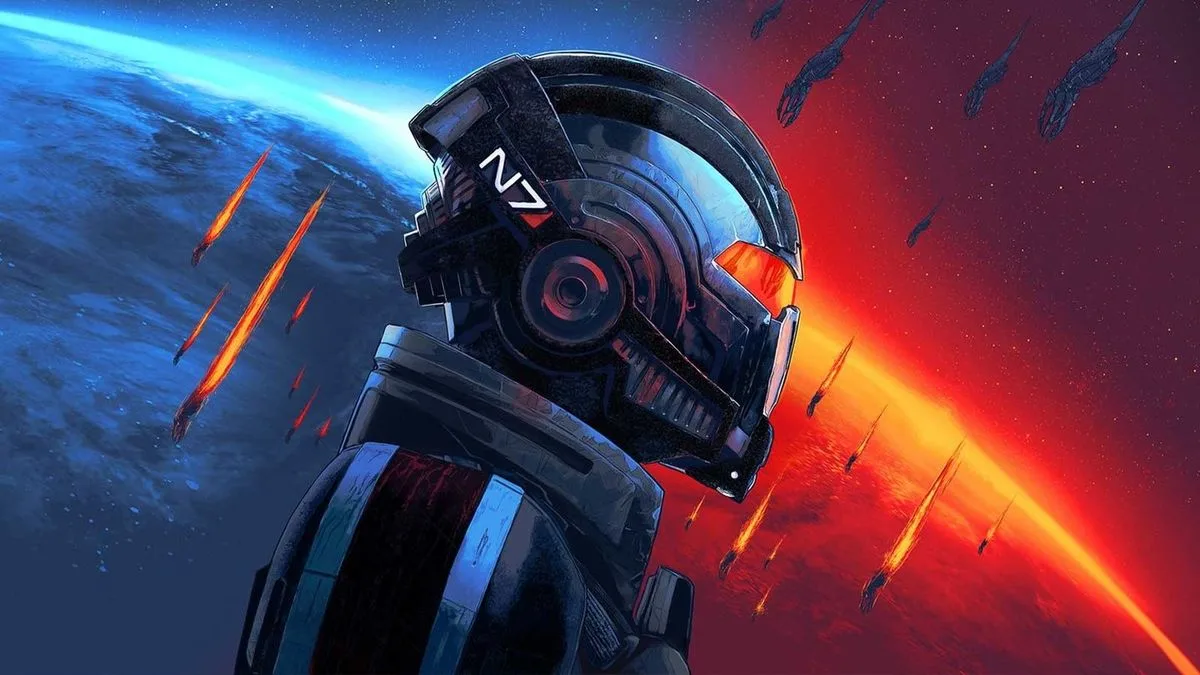
Amazon’s Fallout adaptation was a revelation. It masterfully balanced deep-cut fan service with a gripping, self-contained narrative, proving that a video game adaptation could be both a critical darling and a mainstream hit. That success set a towering precedent, placing immense pressure on the studio’s next major foray into the genre. Now, that project—the long-awaited Mass Effect television series—finds itself in reported turmoil. According to industry scoops, the ambitious venture has hit a significant snag, with Amazon ordering extensive script rewrites aimed at a new target: “non-gamers.” This strategic pivot has thrown the project into limbo, raising urgent questions for one of gaming’s most beloved franchises. Is this a necessary evolution to achieve Fallout-scale success, or a fundamental misreading of the source material’s soul? The fate of this galactic saga may hinge on the answer.
The State of the Normandy: Rewrites, Delays, and a New Target
The report, originating from industry newsletter The Ankler, paints a picture of a project in flux. The catalyst for this shift is Peter Friedlander, Amazon’s Head of Global TV, who assumed his role in October 2025 and initiated a review of all in-development projects. His assessment of the Mass Effect scripts led to a decisive command: rewrite. The explicit goal, as reported, is to make the story “more appealing to non-gamers.” This directive has prompted a production pause, leaving the internally described “pricey genre drama” in a state of uncertainty, reportedly “on the verge” of starting production yet stuck in “limbo” pending final approval.
This development marks a pivotal moment in a project with a considerable history. Amazon secured the rights to the Mass Effect IP from Electronic Arts and BioWare in 2021, officially announcing the series in November 2024. Hopes were high, especially with the involvement of key creative personnel from the acclaimed Fallout adaptation. The initial vision seemed clear: leverage that team’s proven formula for another blockbuster. However, Friedlander’s review and the subsequent rewrite mandate signal a sharp strategic turn, moving the target audience from the built-in fanbase and genre enthusiasts to a broader, more general viewership.
Decoding "For Non-Gamers": Opportunity or Pitfall?
The phrase “appealing to non-gamers” is a Rorschach test for adaptation anxiety. In a best-case scenario, it could mean enriching character drama and ensuring the complex political landscape of the Citadel Council, the genocidal history of the Krogan, or the existential threat of the Reapers are explained with elegant, show-don’t-tell storytelling. This was Fallout’s strength: it welcomed newcomers into its world without dumbing it down, using its narrative to explore the setting’s core themes.
The risk, however, is profound dilution. Mass Effect is not just a sci-fi setting; it is a foundational role-playing game experience built on player choice, moral ambiguity, and dense, rewarding world-building. Stripping away the “RPG essence” to chase a generic action-adventure template would be a catastrophic error. Would a “non-gamer” focus simplify the nuanced Paragon/Renegade morality system into basic hero/villain binaries? Would it reduce the intricate galactic politics to a backdrop for simpler human dramas? The core appeal of Mass Effect is the feeling of living in that universe and shaping its fate. A successful adaptation must translate that feeling, not replace it with something more conventionally palatable.

Casting Controversies and Canonical Quandaries
This rewrite mandate compounds concerns already sparked by earlier developments. A leaked casting call from late 2024 described several key roles, including a female alien co-lead requiring prosthetics, a human female character on Earth, and a “Doug Jones-type” male villain. However, it was the description of the male lead—a character aged 30-39, of open ethnicity, likened to a “young Colin Farrell”—that ignited fierce debate within the fandom.
For many, this description strongly implied the establishment of a male Commander Shepard as the series’ canonical protagonist. This is no small detail. Since 2007, the Mass Effect trilogy has allowed players to define Commander Shepard in their image, choosing not only a gender but a backstory and a name. The female Shepard, voiced by Jennifer Hale, is not an “alternative” option but a beloved, equally canonical path celebrated by a massive segment of the fanbase. To sideline this option from the outset feels like a rejection of the franchise’s foundational spirit of player agency and inclusive identity. When combined with the “non-gamer” rewrite strategy, it signals a potential move away from the game’s core interactive DNA toward a more traditional, fixed-narrative structure.
The Galactic Roadmap: Potential Plot and Future Viability
The narrative framework, as previously reported, adds another layer of complexity. The series is said to be set after the events of the original trilogy. This post-Reaper War setting is rich with potential, offering a chance to explore a galaxy rebuilding, grappling with the consequences of Shepard’s choices (whichever they may be), and facing new threats. It’s a clean slate that cleverly avoids directly adapting the games’ branching storylines.
Yet, this setting’s success depends entirely on execution. A “non-gamer” focus could shape this story toward a narrower, more personal journey of a single set protagonist, potentially losing the grand, ensemble-driven scale of exploring a fractured galaxy. This risk of a narrower focus is the practical manifestation of the "non-gamer" pitfall—trading a galaxy-shaped story for a conventionally safe protagonist's tale. Will it be a story about the galaxy, or a story set in the galaxy? The distinction is critical. The project’s current precarious position—caught between rewrite mandates and pre-production readiness—highlights its uncertain future. To secure a green light, it must now convince Amazon executives that it can be both authentically Mass Effect and broadly accessible, a challenge that has stalled many a starship.
Amazon faces a high-stakes dilemma. The commercial logic in seeking a Fallout-sized audience is undeniable. However, the heart of Mass Effect does not beat in its spaceships or alien designs alone, but in its deep, choice-driven narrative architecture and its spirit of inclusive ownership. The success of this adaptation will not be found by sanding down its unique RPG edges to create generic sci-fi. It will be determined by a faithful and clever translation of its core strengths—complex characters wrestling with philosophical stakes, a politically intricate and lived-in universe, and the enduring weight of choice—into the language of prestige television. The path forward isn't about abandoning the Normandy's legacy; it's about engineering a translation that lets a new audience experience the weight of choice, the complexity of galactic politics, and the spirit of a universe they can believe in. The show's fate depends on this balance.
Tags: Mass Effect, Amazon Prime Video, TV Adaptation, Video Game Adaptation, Science Fiction