Mario Kart Tour's Final Lap: Nintendo Confirms Permanent Shutdown With No Offline Version
What Players Need to Know About the Shutdown The end is final and precise. Nintendo’s official end-of-service FAQ states that service will terminate at 11:00 p.m. PT on September 29, 2026, 12:00 a.m....

What Players Need to Know About the Shutdown
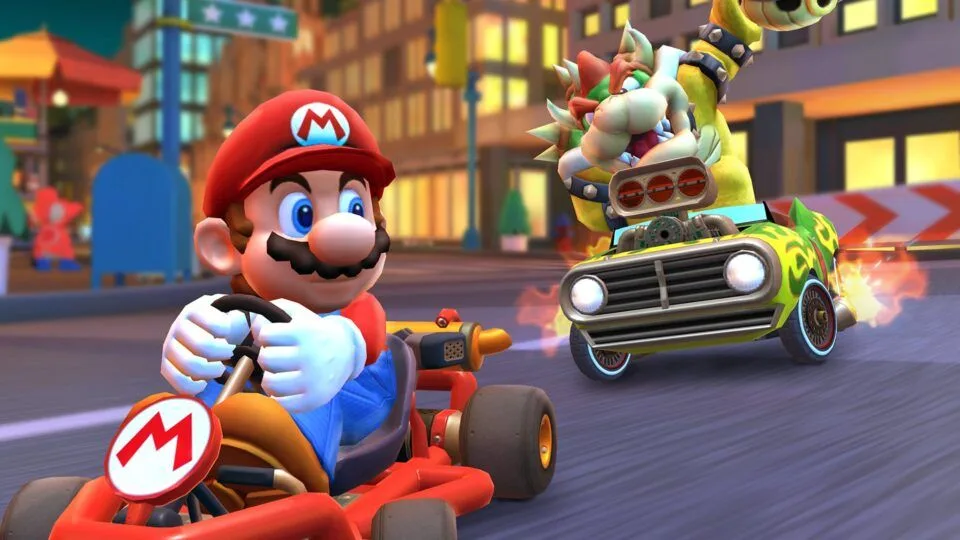
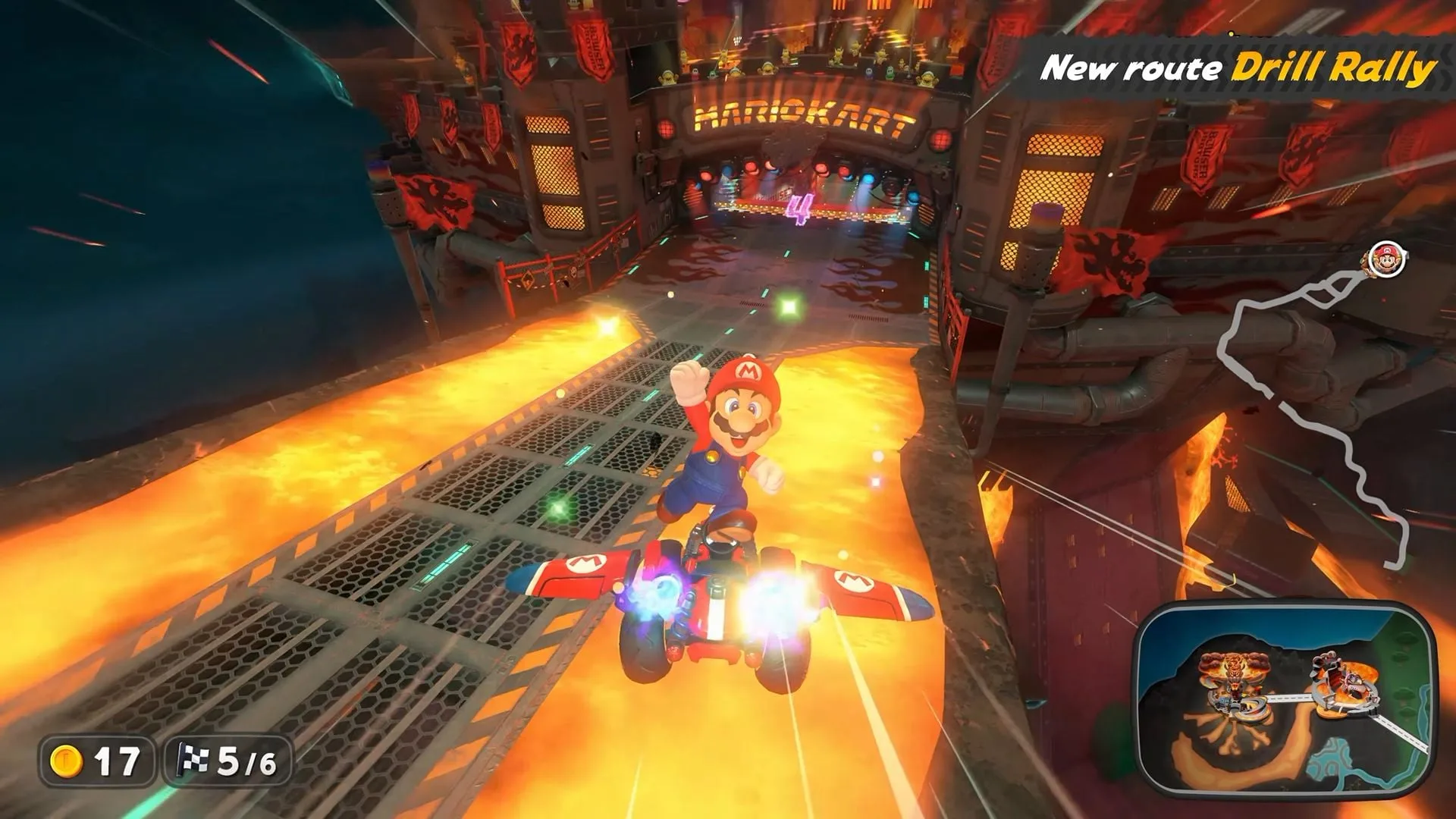
The end is final and precise. Nintendo’s official end-of-service FAQ states that service will terminate at 11:00 p.m. PT on September 29, 2026, 12:00 a.m. September 30 in Japan time. After that moment, the game will be completely unplayable. No offline mode, no preserved progress, no read-only archive. Every driver, kart, and glider players spent real money on over the years will vanish.
Monetization ended on July 7, 2026, when Nintendo stopped selling Rubies and Gold Pass subscriptions. Players can still use any remaining currency or active subscriptions until shutdown, but no refunds or transfers have been announced. The announcement came via Nintendo’s official channels on July 8, 2026, following earlier hints from dataminers who had found evidence of the shutdown date embedded in the game’s code.
For a game that launched on September 25, 2019, and generated significant revenue through its gacha-style “pipe” system, this is a decisive and abrupt ending. There is no ambiguity: once the servers go dark, Mario Kart Tour is gone.
The Pocket Camp Precedent, Why Was Mario Kart Tour Left Out?
When Animal Crossing: Pocket Camp ended its service in 2024, Nintendo offered a reprieve: a paid offline version called Animal Crossing: Pocket Camp Complete. It stripped out the microtransactions and online dependency, allowing players to keep their save data and continue playing indefinitely. The move was praised as a model for how live-service games could transition to an offline afterlife.
Why does one game get a second life and the other a digital grave? Part of the answer lies in the fundamental design of the two games. Pocket Camp’s core activities, decorating, crafting, collecting, are largely self-contained. The game’s economy could be restructured into a single-purchase model without breaking the experience. Mario Kart Tour, by contrast, was built around real-time ranked cups, weekly tour rotations, and the multiplayer “versus” mode. The gacha “pipe” system that let players pull for characters and karts was the engine driving both engagement and revenue. Replicating that progression in an offline environment would require an extensive rework of the entire game loop, a task Nintendo apparently deemed not worth the investment.
Revenue may also have played a role. While both games were profitable, Pocket Camp maintained stronger long-term engagement. Mario Kart Tour had been winding down for over three years, recycling old tours and adding minimal new content, a trend dataminers observed in the game’s asset updates. Nintendo may have concluded that the player base wasn’t large enough to justify the development cost of an offline version.
Whatever the reason, the result is the same: players who invested time and money into Mario Kart Tour will lose everything. One player on Reddit summed up the frustration: “I’ve spent over $200 on Ruby packs and I’m losing everything. It feels like a theft.” The ethical implications are hard to ignore, especially for those who purchased Ruby packs and Gold Pass subscriptions in good faith.
Nintendo’s Mobile Graveyard, A Pattern Emerges
Mario Kart Tour is the latest name on a growing list of Nintendo mobile titles that have met permanent ends. Miitomo shut down in 2018. Dr. Mario World followed in 2021. Dragalia Lost, one of Nintendo’s most ambitious mobile experiments, ended service in 2022. Animal Crossing: Pocket Camp survived until 2024, but even it eventually succumbed. Now Mario Kart Tour joins them.
Only one mobile flagship remains: Fire Emblem Heroes, which continues to operate as Nintendo’s most profitable mobile game. The pattern is clear. Nintendo is not abandoning mobile entirely, but it is aggressively pruning its mobile portfolio to focus on a single cash cow. The company’s shifting strategy points toward the Nintendo Switch 2 ecosystem and premium console experiences. The upcoming Mario Kart World on Switch 2 is the obvious future for the franchise, and Nintendo is directing Mario Kart Tour players there.
The question is whether this is a sustainable strategy. Live-service game preservation is an industry-wide crisis, and Nintendo’s inconsistent approach, giving Pocket Camp an offline second life while letting Mario Kart Tour die, sends a confusing message to players. If you invest in a Nintendo mobile game, you have no guarantee it will survive in any form after the servers go dark.
Game Preservation and the Loss of a Digital World
The permanent loss of Mario Kart Tour is more than a financial or emotional disappointment. It is a preservation failure. The game features exclusive city-themed tracks, New York Minute, Tokyo Blur, Paris Promenade, Vancouver Velocity, that have never appeared in a mainline Mario Kart title. With the game’s servers gone, those tracks, along with their unique art, music, and design, become inaccessible to fans and researchers.
This is not a niche concern. Game preservation advocates have long warned about the fragility of online-only titles. Mario Kart Tour joins a sad list of games that simply vanished: Guitar Hero Live, The Crew, countless mobile games that relied on server connections. The gacha spending angle only deepens the problem; players who spent real money on virtual items have no recourse and cannot access what they purchased after shutdown. This could fuel renewed calls for consumer protections around live-service game endings, a conversation that is only going to grow louder as more games follow the same path.
Where Do Mario Kart Fans Go From Here?
Nintendo has made its intentions clear: the company wants players on console. Mario Kart World, the next mainline entry for the Nintendo Switch 2, is positioned as the natural successor. Features like Frenzy mode and character-specific items, first introduced in Mario Kart Tour, have already influenced console entries and may appear in new forms.
The community response has been mixed. Dataminers and preservationists are likely to attempt archiving assets, models, textures, soundtracks, as they have with other discontinued games. But full gameplay will be impossible without server emulation, a technically demanding and legally uncertain path.
Could Nintendo reverse course? Current statements explicitly say “no offline version is planned,” but the company has not ruled out the possibility entirely. Given the precedent set by Animal Crossing, fans may hold out hope for a future reprieve. For now, though, the message is clear: play while you can, because on September 29, Mario Kart Tour crosses the finish line for good.
The Race Runs Out of Road
Mario Kart Tour’s permanent shutdown is more than the end of a mobile game. It is a stark reminder of the fragility of live-service gaming and Nintendo’s increasingly clear prioritization of its console ecosystem. The decision to leave the game unplayable while giving Animal Crossing a second life highlights an inconsistent approach to preservation that frustrates players and raises ethical questions about digital ownership. As Nintendo steers its audience toward the next generation with Mario Kart World, the digital confetti from the Tour may soon fade, but the conversation about who truly owns our games is just getting started. Until laws catch up, the best protection is for players to demand clear shut-down policies before their first in-app purchase.