Marathon's Extraction Shooter Ambition: Can Bungie Fix Its Punishing Onboarding Before Launch?
For decades, the name Bungie has been synonymous with genre-defining shooters. That legacy made the reveal of Marathon , a premium-priced extraction shooter, one of the most anticipated projects in...


For decades, the name Bungie has been synonymous with genre-defining shooters. That legacy made the reveal of Marathon, a premium-priced extraction shooter, one of the most anticipated projects in gaming. Yet, the recent "Server Slam" beta has revealed a stark tension at the heart of the project. Can Bungie successfully bridge the gap between its uncompromising hardcore design and the accessibility needed for long-term success when the game launches on March 5, 2026?
Marathon presents a thrilling, high-stakes vision built on tension and scarcity. But its punishing, opaque new-player experience threatens to alienate a mainstream audience before it even arrives.
The Marathon Vision: A Strategic, Survival-First Shooter
Marathon is not Destiny, and Bungie is making that abundantly clear. For the uninitiated, extraction shooters drop players into a hostile zone to scavenge loot, with the critical goal of surviving to a designated exit point to keep their spoils—failure typically means losing everything. Set on a forsaken, cyberpunk-inspired space colony, the game casts players as scavengers, not god-slayers. The core loop is one of calculated risk: drop in, scavenge for valuable data, and extract before you’re killed. Crucially, Bungie’s vision positions avoiding conflict as often smarter than engaging it.
This philosophy is enforced by several key design pillars. Resources like ammo and health packs are deliberately scarce, forcing players to make tense decisions about every engagement. The audio system is a tactical tool, with spatial audio designed to telegraph enemy positions and a dynamic score that reacts to a player’s state. Furthermore, Bungie is taking a hardline stance on integrity with its PermaLock Protocol, a zero-tolerance anti-cheat policy promising permanent, account-wide bans for offenders.
Priced at $39.99, Marathon represents Bungie’s ambitious, premium entry into the fiercely competitive extraction shooter market. It’s a deliberate pivot from power fantasy to paranoid survival.
The Beta Backlash: Data and Feedback Reveal a Steep Cliff
The "Server Slam" beta, held from February 26 to March 2, 2026, was the first major public test of this vision. On paper, it drew a crowd, achieving a peak of 143,621 concurrent players on Steam alone, with additional players on PlayStation 5 and Xbox Series X/S. However, the data told a more nuanced story. Analytics pointed to a high player drop-off rate, with many participants jumping in only to bounce off after a handful of frustrating sessions.
The primary criticism was unanimous: an overwhelming learning curve with little to no guidance. New players were dumped into the colony with minimal explanation of the complex extraction loop, the value of items, or the nuances of the audio cues. This led to sessions that felt confusing and punitive rather than tense and strategic. The backlash was amplified by comparisons to other games in the space. Notably, the rival extraction shooter Arc Raiders was cited by players and observers for its clearer UI and more engaging onboarding during its own testing phase, which saw a higher peak concurrency of 189,668 players.

Diagnosing the Onboarding Problem: UI Clutter and Pacing
Digging into the feedback reveals two intertwined issues: interface confusion and pacing dissonance.
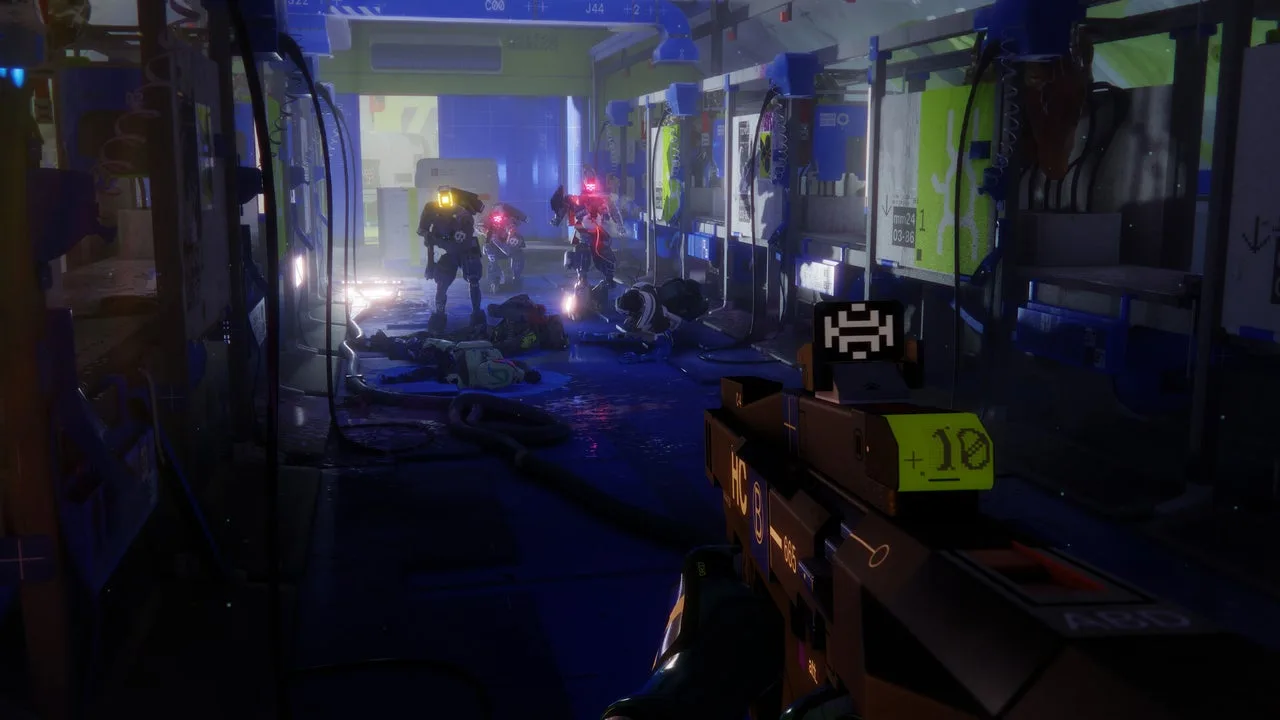
The User Interface (UI) emerged as a critical pain point. Players reported that loot and environmental items were difficult to read at a glance, especially in the game’s often dim, atmospheric environments. The inventory system was criticized for featuring unclear, overly similar icons, creating hesitation in high-pressure moments. Menus were described as visually cluttered, burying vital information. In a genre where split-second decisions determine whether you keep your hard-earned gear, an unintuitive UI is a fundamental barrier to enjoyment.
Compounding this was feedback on gameplay pacing. While Marathon is designed around tension and avoidance, some beta players reported that PvP encounters felt too infrequent, leading to long stretches of quiet scavenging that conflicted with their expectations. Bungie has suggested that seeking out specific map areas can increase PvP likelihood, and that the dominant UESC faction can reduce overall encounter rates. However, this nuanced, player-driven pacing clashed with the initial experience of players who felt lost and unsure how to engage, turning curiosity into frustration.
The Path to March 2026: Bungie's Response and Critical Adjustments
Bungie has not been silent in the face of this feedback. The studio has publicly acknowledged the beta responses and is deep in a data-gathering and review process. Crucially, they have identified specific systems slated for adjustment before the 2026 launch. These include a thorough review of the in-game economy (specifically the scarcity of med packs and ammo), a promised overhaul of the UI for clarity, and tweaks to movement mechanics.
The challenge here is profound. Bungie must walk a razor-thin line. The very identity of Marathon—its tense, scarce, and strategic soul—is what makes it compelling. Overcorrecting by flooding the world with resources or simplifying its systems could dilute its unique vision. The goal cannot be to remove the game’s teeth, but rather to provide players with the tools and understanding to learn how to bite back.
Marathon stands at a precarious crossroads. It possesses a compelling and distinct vision that could redefine what a Bungie shooter can be. Yet, the chasm between that vision and a new player’s first hour is currently too wide. The next year of development is not just about polishing graphics or adding content; it is a critical accessibility overhaul. Bungie must successfully refine its onboarding, clarify its communication, and smooth the initial learning curve. The 143,621 players who showed up for the beta proved the interest is there. Converting that curiosity into lasting commitment for the March 5, 2026, launch depends entirely on Bungie’s ability to execute this delicate balancing act. The survival of their new franchise depends on it.