Mamoru Oshii's 10,000-Hour Fallout 4 Odyssey: How the Ghost in the Shell Director Reinvented Post-Apocalyptic Play
The director of the seminal 1995 anime Ghost in the Shell , a film that fundamentally shaped cyberpunk aesthetics and philosophical inquiry in cinema, has spent nearly a decade on a singular,...

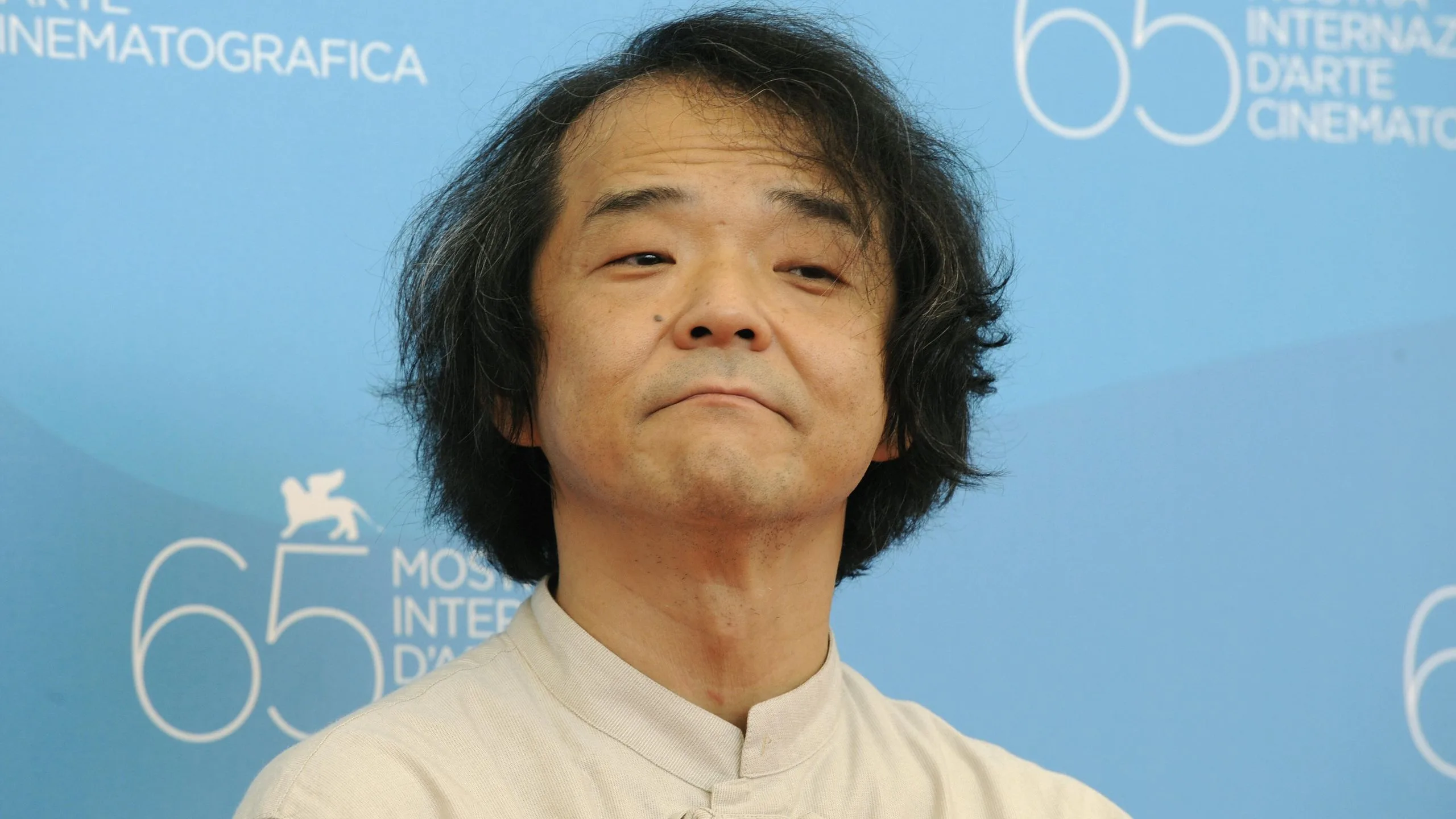
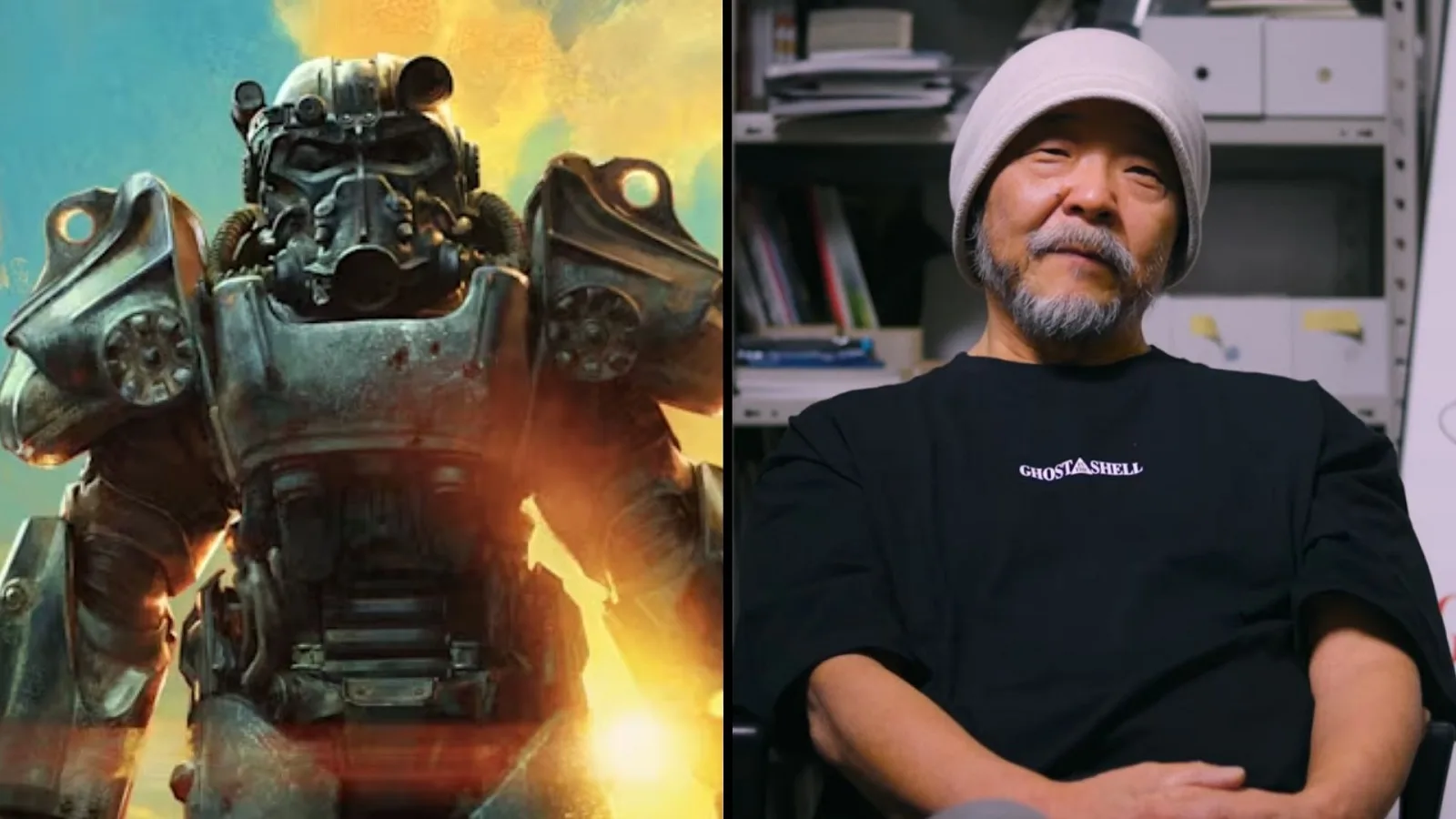
The director of the seminal 1995 anime Ghost in the Shell, a film that fundamentally shaped cyberpunk aesthetics and philosophical inquiry in cinema, has spent nearly a decade on a singular, obsessive pursuit. Mamoru Oshii, the visionary behind the story of Major Motoko Kusanagi, has logged an astonishing 10,000 hours in the irradiated Commonwealth of Fallout 4. This isn’t a tale of a completionist meticulously ticking off every quest. Instead, as revealed in a 30th-anniversary interview for Ghost in the Shell, it’s the story of an auteur imposing his own creative will upon a mainstream RPG, crafting a deeply personal, rule-bound ritual of avoidance. In an industry often focused on metrics of completion and efficiency, Oshii’s extreme playstyle poses a compelling question: what does it mean when a master storyteller treats a game not as a narrative to be consumed, but as an endless sandbox for his own authored experience?
The Director's Unconventional Mandate: Rules Over Quests
Oshii’s approach to Fallout 4 is defined not by the objectives set by Bethesda, but by a strict, self-imposed director’s cut. His playstyle is governed by a set of unwavering rules that reject the game’s core progression loops. He has famously refused to engage with the main quest to find his character’s son, Shaun. He does not build settlements, sidestepping one of the game’s major mechanics. He avoids all factions, but reserves a particular disdain for the Brotherhood of Steel, whom he likens to Nazis and kills on sight.
His only sanctioned companion is Dogmeat, the loyal canine, adhering to what he describes as a pure “lone wolf survivalist” fantasy. This curated existence stands in stark contrast to typical RPG playthroughs, whether they be min-max power builds or lore-heavy role-playing. Oshii isn’t playing the game as designed; he is using its systems and world to stage his own performance. It’s an authorial act, a deliberate narrowing of scope to amplify a specific feeling and fantasy that the base game only partially facilitates.
10,000 Hours in the Wasteland: Ritual, Mastery, and Performance Art
The scale of his commitment is staggering. Reported in the same interview, Oshii’s playtime spans roughly eight years and two platforms—about 8,000 hours on Steam and 2,000 on PlayStation—with his character surpassing level 100. Within this vast expanse of time, specific behaviors have hardened into ritual.
One of the most iconic is his method of dealing with the Brotherhood of Steel. He doesn’t merely eliminate them; he collects their empty power armor frames. He has decorated his primary base at the Red Rocket gas station with so many of these trophies that the sheer number of rendered assets has caused noticeable in-game performance slowdowns. This act transcends gameplay—it’s a deliberate, environmental statement, a museum of his contempt built within the game world itself.
Oshii has also praised specific design choices that enable his unique engagement. He highlighted the VATS targeting system as a crucial accessibility feature, accommodating a playstyle less reliant on precise “twitch” aiming. He appreciates the game’s unflinching violence, seeing it as tonally appropriate for the harsh post-apocalypse. There’s a layer of self-aware humor to his dedication; he has quipped, “you could also call me an idiot” for this level of investment, and stated he’d “much rather be beaten to death by Deathclaws” than follow the standard path. This blend of deep commitment and playful irony frames his 10,000 hours as a form of enduring, personal performance art.
The Ghost in the Game: Parallels Between Oshii's Art and Play
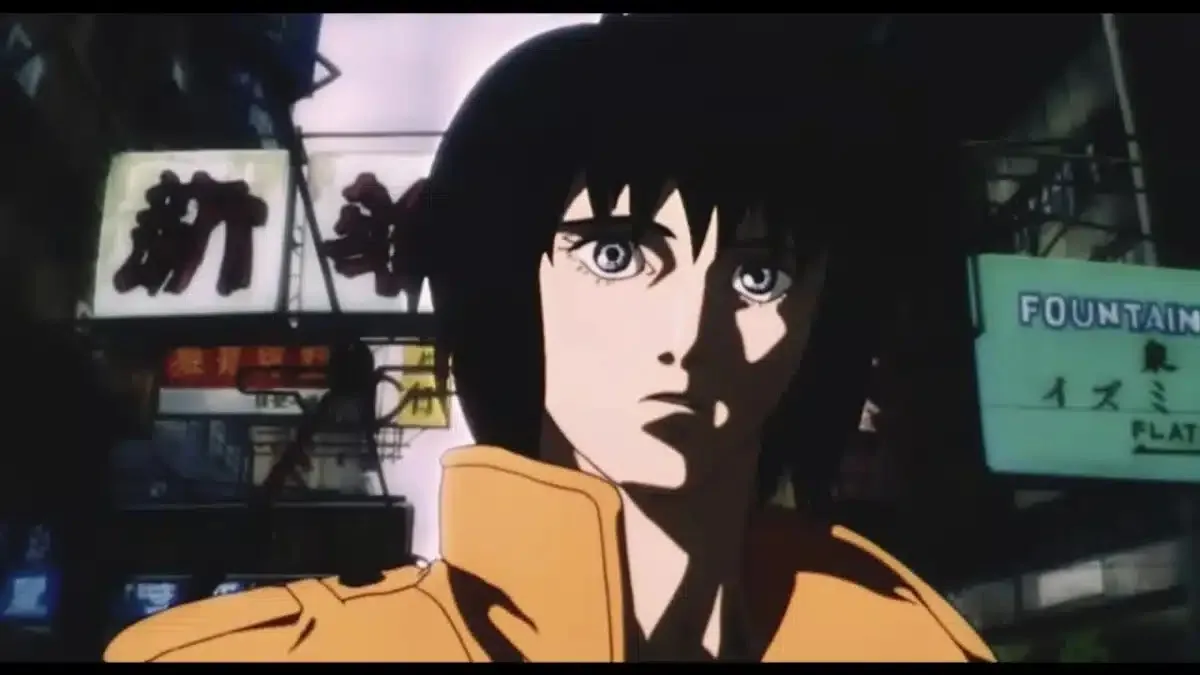
The connections between Oshii’s cinematic work and his Fallout 4 persona are profound. Ghost in the Shell relentlessly interrogates themes of identity, solitude, and the interface between human consciousness and machine. In the Commonwealth, Oshii crafts a character defined by absolute solitude (save for a dog) and a rejection of all group ideologies. This mirrors his Fallout mandate: just as the Major operates outside traditional government structures, his Sole Survivor rejects all factions, becoming a ghost in the machine of the Commonwealth's intended political narrative.
His directorial eye for mood, atmospheric detail, and haunting, empty spaces finds a perfect canvas in Fallout 4’s environmental storytelling. By ignoring the central plot, he forces the game’s world to speak for itself. The emergent narrative becomes one of vignettes: a decaying cityscape, a random encounter with a rogue robot, the quiet menace of a foggy swamp. He isn’t experiencing the story of the Institute and the Commonwealth; he is authoring a story of a wanderer in the ruins, a narrative of atmosphere over plot that feels deeply aligned with the melancholic, philosophical tone of his films.
Beyond the Main Quest: What Oshii's Playstyle Reveals About Modern RPGs
Mamoru Oshii’s extreme case study illuminates a significant, often under-celebrated facet of modern game design: the value of the “post-completion” or “anti-meta” sandbox. His sustained enjoyment is a powerful testament to Fallout 4’s core strengths lying not in its sometimes-criticized main storyline, but in the fundamental robustness of its open world, its satisfying combat feedback loop, and the sheer atmospheric depth of its exploration.
His playthrough resonates with broader player-driven trends—the rise of self-imposed challenge runs, deep role-playing, and finding personal meaning far outside a game’s “critical path.” It validates the desire of players to use game worlds as spaces for their own creativity, long after the credits have rolled. Oshii demonstrates that for certain players, the true “endgame” is the freedom to ignore the game’s ending entirely and live indefinitely within its systems.
Mamoru Oshii’s 10,000-hour journey is ultimately a testament to the profound, unique relationships players can forge with virtual worlds when those worlds grant true agency. It highlights the artistic potential of interactive media not merely as vessels for authored stories, but as platforms for player authorship. Even his brief departure to play Death Stranding 2—another game deeply concerned with solitude and traversal—ended with a return to the Commonwealth. For Oshii, Fallout 4 is more than a game; it is an enduring creative sandbox. His 10,000-hour odyssey stands as an extreme, inspiring monument to a simple truth: the most compelling story a game can tell is often the one we choose to tell ourselves within it.
Tags: Mamoru Oshii, Fallout 4, Ghost in the Shell, RPG Gameplay, Video Game Culture