Make or Break: Dragon Age Creator David Gaider's Indie Studio Bets Everything on a Lighthearted Heist RPG
The Man Behind Thedas: From BioWare Legend to Indie Founder David Gaider joined BioWare in 1999 and quickly became one of the studio's most influential narrative voices. He wrote for Baldur's Gate...

The Man Behind Thedas: From BioWare Legend to Indie Founder
David Gaider joined BioWare in 1999 and quickly became one of the studio's most influential narrative voices. He wrote for Baldur's Gate II: Throne of Bhaal, then created the setting of Thedas and served as lead writer on Dragon Age: Origins, Dragon Age II, and Dragon Age: Inquisition. His work defined the tone of the franchise, morally complex, politically intricate, and unafraid of tragedy.
But after contributing to the troubled live-service experiment Anthem (2019), Gaider left BioWare. Alongside Liam Esler and Elie Young, he co-founded Summerfall Studios in Melbourne, Australia, with a mission to create "emotionally-fuelled, character-driven narrative games."
The studio's first release, Stray Gods: The Roleplaying Musical (2023), was an ambitious hybrid of musical theater and RPG storytelling. Its launch, however, was swallowed by the colossal shadow of Baldur's Gate 3, which released just weeks later. Summerfall's second game, Malys, a deckbuilder, also failed to find a significant audience. Neither title delivered the commercial breakthrough the young studio needed.
Now the team is pitching something radically different, and the stakes have never been higher.
A Bold Departure: The Airship Heist RPG's Lighthearted Vision
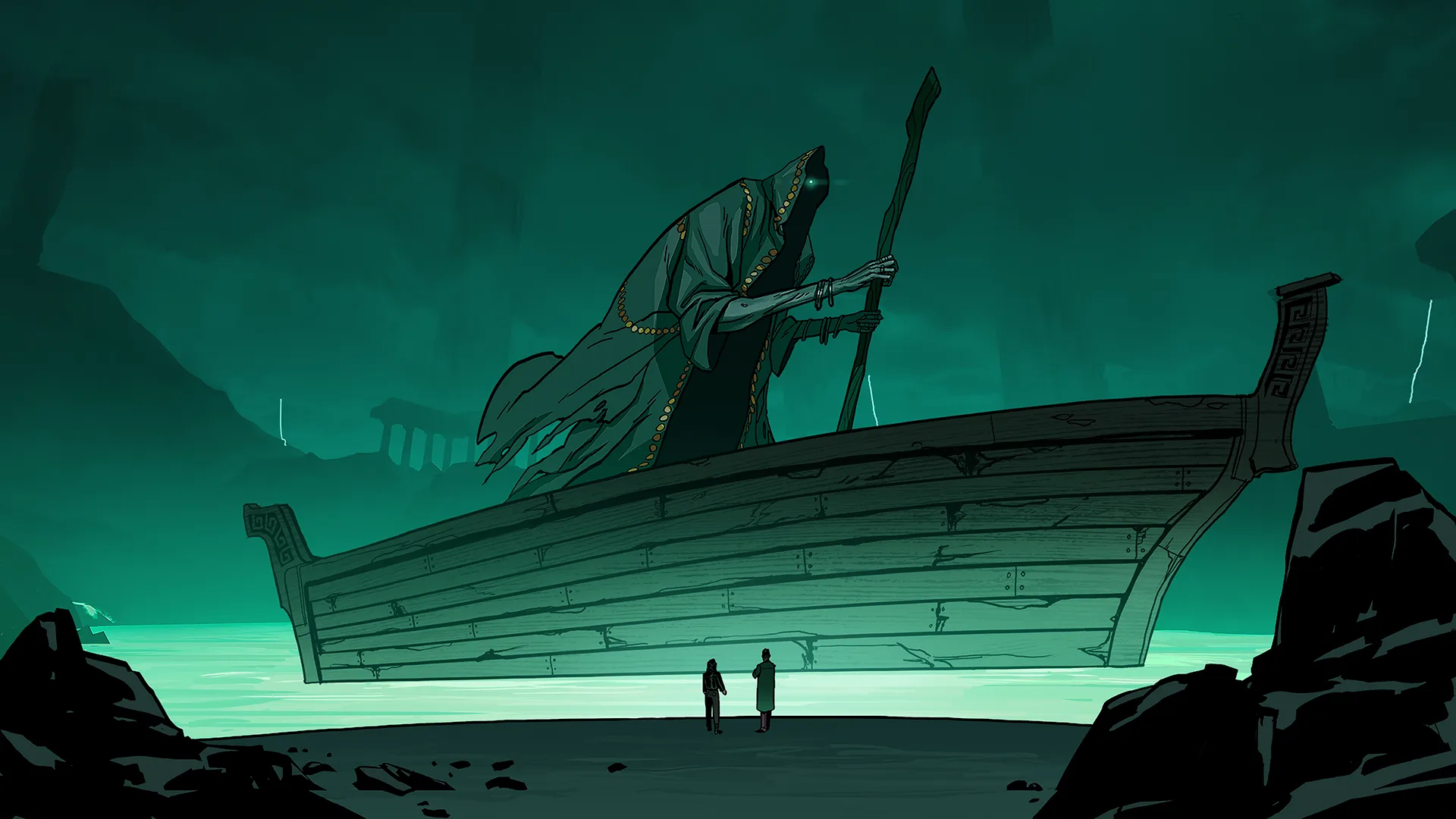
The new project abandons dark fantasy entirely. Instead, Gaider is designing a game where players command a crew of rogues aboard an airship, pulling off heists in a world described as "adventurous, optimistic." The tone is deliberately lighthearted, a conscious pivot from the blood and political machination of Thedas.
"This is more of a fun, escapist thing," Gaider explained in a recent interview. "I wanted to prove that I can do something different."
Gameplay is expected to blend crew management, heist planning, and character-driven narrative, staying true to Summerfall's core mission of emotional, story-first experiences. If the pitch sounds unusual for the creator of Dragon Age, that's exactly the point. Gaider is betting that his audience will follow him into sunnier territory, and that publishers will take a chance on a proven storyteller trying something new.
But the market has other ideas.
The Funding Cliff: Publishers Want a Nearly Finished Game
Securing funding for original IP in 2026 is brutally difficult. Gaider was blunt about the situation: the search for a publisher has become "make it or break it for the studio," adding that the process brings "lots of stress."
The catch-22 is maddening. Multiple publishers have expressed interest in the airship heist concept. But none are willing to commit funding unless the project is nearly complete. As Gaider noted, the current climate for independent studios means "new projects, almost nothing's getting funded."
This creates a vicious cycle: Summerfall needs money to build the game, but publishers want the game built before they hand over money. The team has built a vertical slice of the first heist and a crew-management demo, but full production requires an investment the market won't give without proof of a finished product. For a small studio that hasn't yet produced a commercial hit, bridging that gap is an existential challenge.
The Dragon Age Shadow: Veilguard, Distance, and Industry Critique
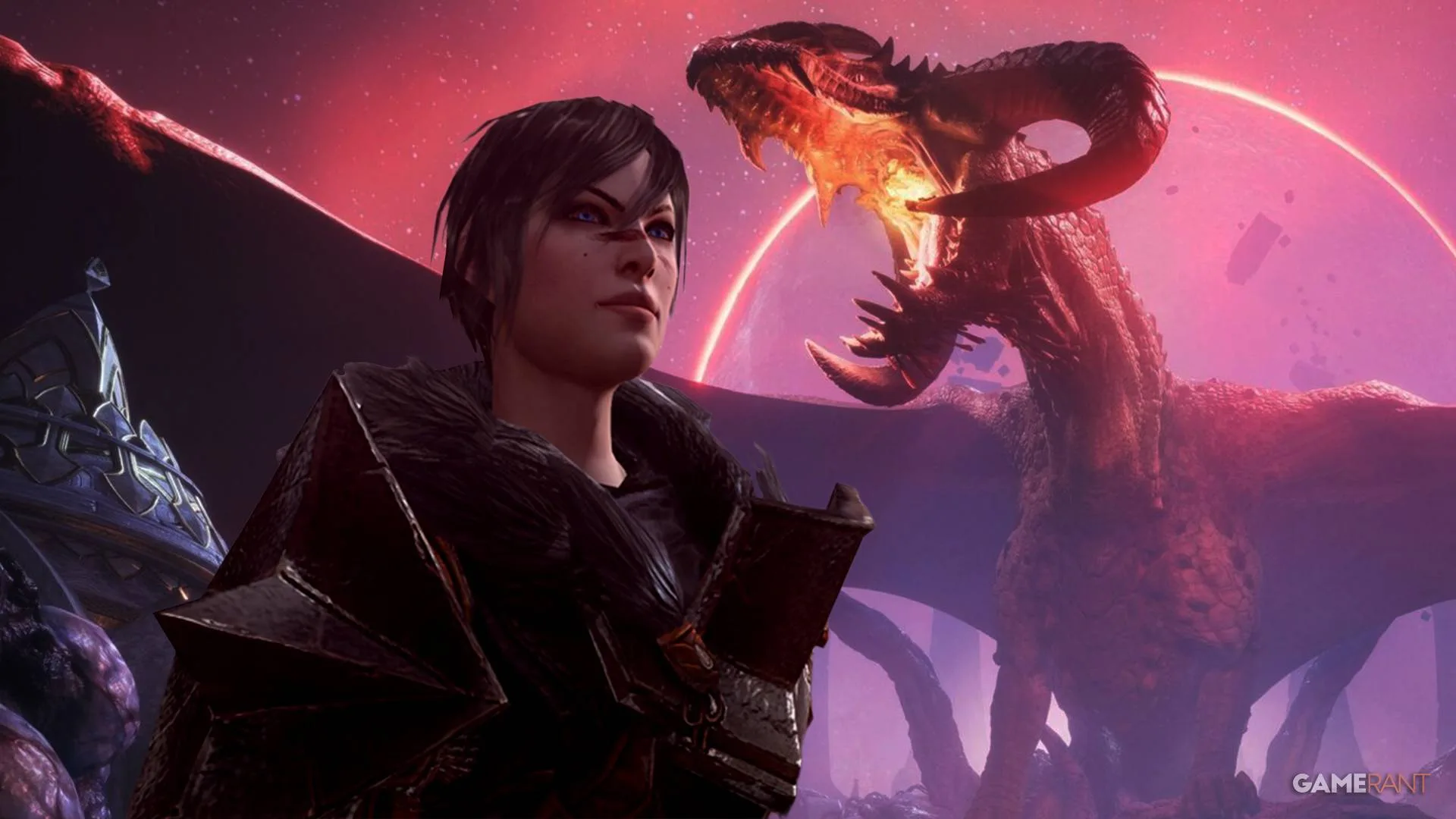
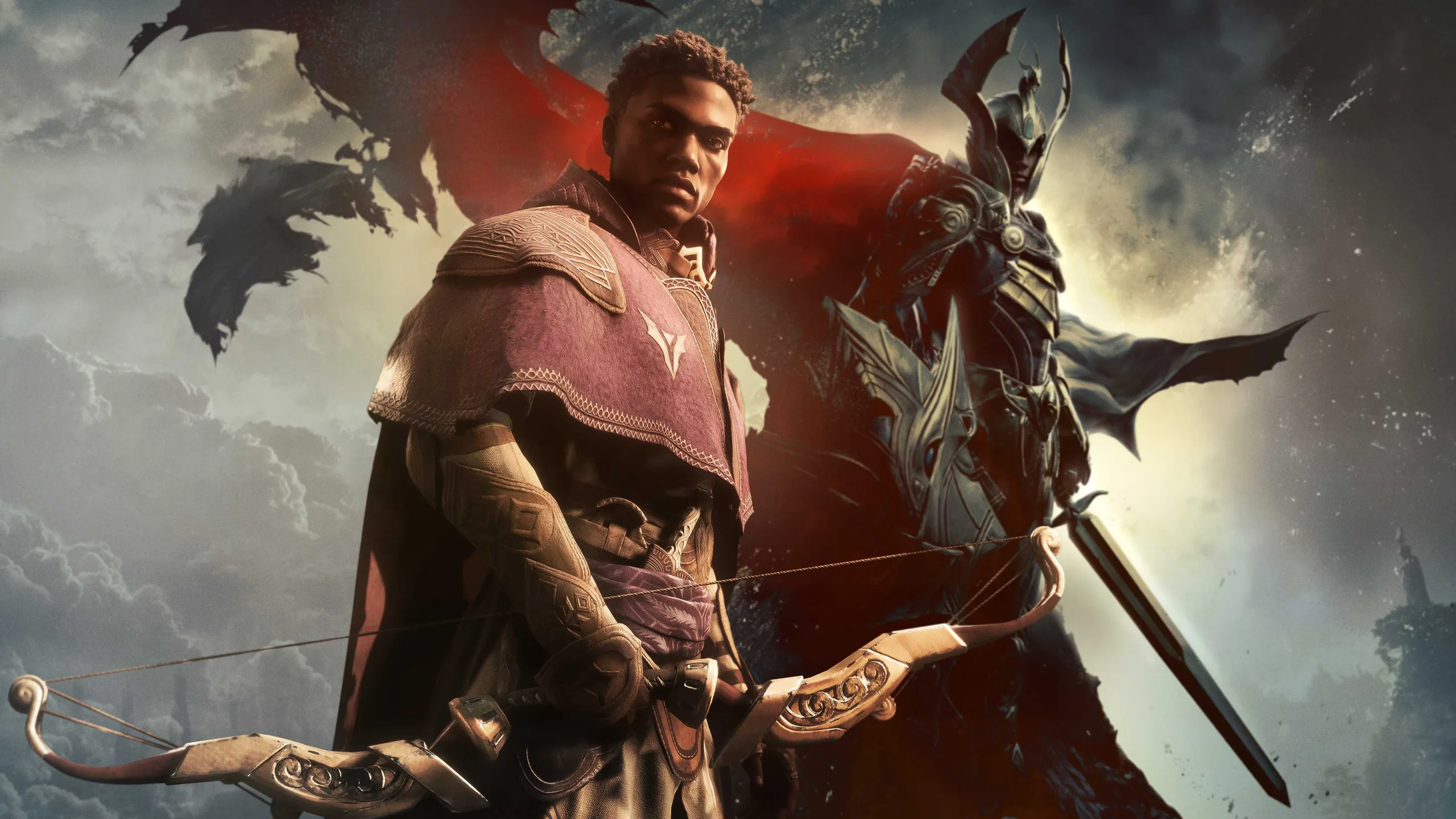
Meanwhile, the franchise Gaider created continues without him. Dragon Age: The Veilguard launched in October 2024 to the biggest Steam launch in BioWare's history, reaching 1.5 million players, according to EA's quarterly financial report. Yet it still underperformed the publisher's internal expectations by roughly 50 percent.
Gaider has not played the game. "I know too much about what went on behind the scenes," he said, a pointed reminder of the complicated circumstances surrounding his departure from BioWare after Anthem.
He has also been an outspoken critic of generative AI in game development, calling it a "virulent plague" that threatens the human-crafted narrative experiences he champions. Summerfall positions itself explicitly as a boutique alternative to the corporate machine, a studio where real writers, artists, and designers build worlds by hand.
That ethos makes the funding crisis especially ironic. In a market that claims to value originality and craft, one of the most respected narrative designers in the industry cannot find backing for a fresh idea.
What's at Stake: Indie Originality vs. Industry Risk Aversion
If the heist RPG fails to secure funding, Summerfall Studios may not survive. That would make Gaider's struggle a bellwether for the entire independent sector. In an era when publishers increasingly chase established franchises and safe bets, can a boutique studio still afford to take creative risks?
Gaider's reputation opens doors, publishers take his calls, listen to his pitches. But even the creator of Thedas cannot overcome the cold calculus of risk aversion. The message to developers is clear: unless you already have a hit, or unless your game is almost finished, don't expect a check.
The outcome of this funding hunt will signal whether the industry still has room for original ideas from proven creators, or whether "make or break" has become the permanent state of independent game development.
A Litmus Test for Originality
David Gaider built a career on dark fantasy. Now he is betting his studio's future on sunshine and airship capers. It is a deeply human gamble, a veteran artist wanting to prove his range, a small studio desperate for its first hit, and a creative industry that seems to have forgotten how to say yes to something new.
If the heist RPG gets funded, it will be a rare victory for originality over inertia. If it doesn't, the message will reverberate through every indie studio daring to pitch something that isn't a sequel or a franchise tie-in. Gaider's moment of stress is more than personal, it is a test of whether the games industry still believes in the power of a good idea, even when that idea comes with a grin instead of a grimace.