Lay of the Land and Everwind: How New Sandbox Games Are Merging Skyrim's Spirit with Minecraft's DNA
For over a decade, two distinct pillars have supported vast swathes of the gaming landscape. On one side stands The Elder Scrolls V: Skyrim , the undisputed champion of first-person fantasy RPG...

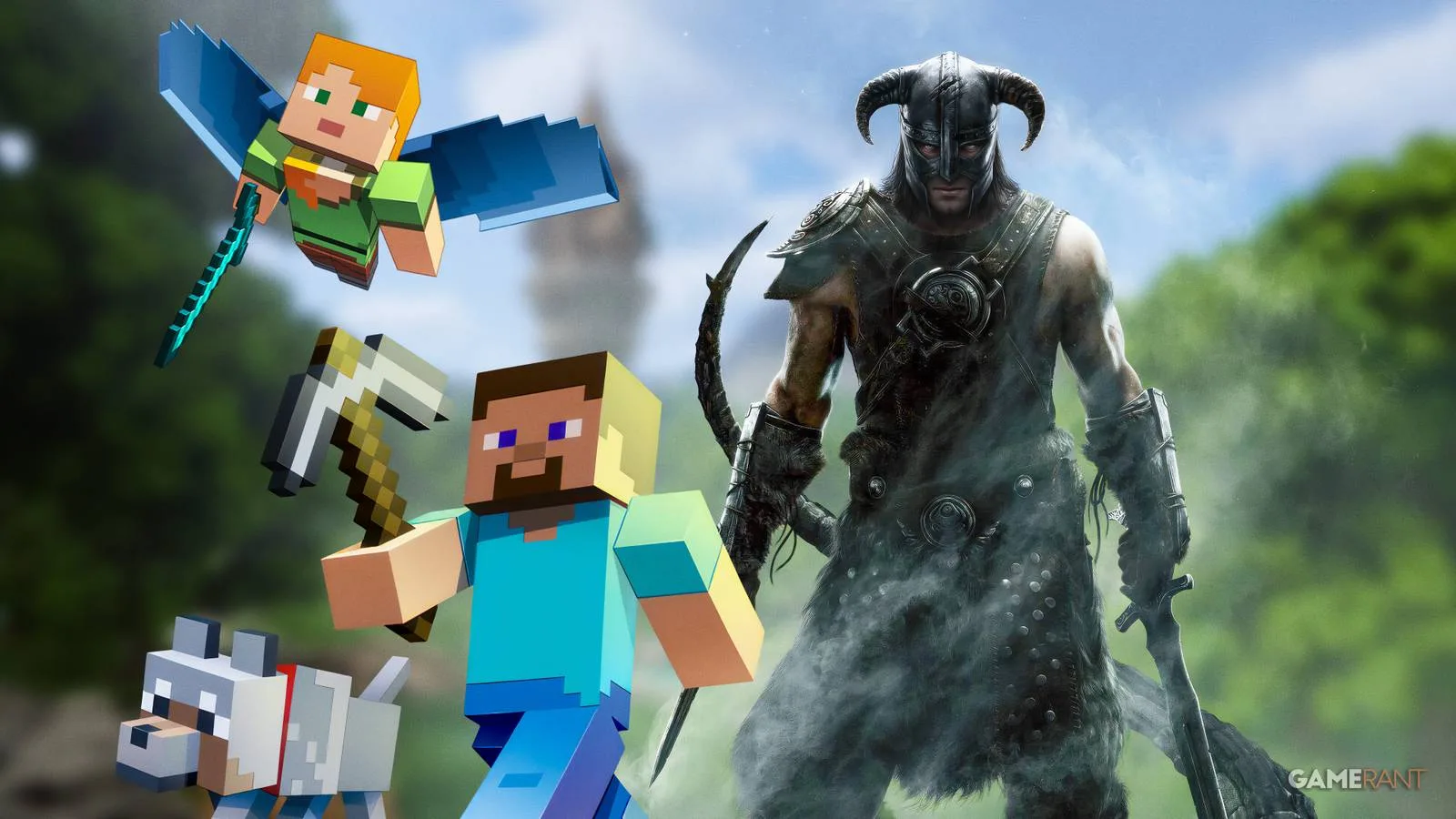
For over a decade, two distinct pillars have supported vast swathes of the gaming landscape. On one side stands The Elder Scrolls V: Skyrim, the undisputed champion of first-person fantasy RPG exploration, offering a handcrafted world brimming with lore, danger, and a profound sense of adventure. On the other sits Minecraft, the quintessential sandbox of creative freedom, built on a foundation of voxel-based building, procedural worlds, and systemic, player-driven storytelling. Their legacies are monolithic and, until recently, largely separate. The prospect of merging their core appeals—the epic, guided journey and the boundless, mutable sandbox—has long felt like a design holy grail. A new generation of developers is now attempting that exact synthesis.
Enter Lay of the Land and Everwind, two ambitious titles both targeting a 2026 release window. They are not merely inspired by these giants; they are active, deliberate experiments in combining their DNA. The pitch is tantalizingly simple: the epic scope and RPG depth of Skyrim, experienced within the malleable, buildable world of Minecraft. This article explores whether this ambitious fusion of deep narrative adventure and boundless creative sandbox can succeed, or if it risks becoming a compelling vision lost between two genres.
The Vision: Deconstructing the "Skyrim-meets-Minecraft" Pitch
At its core, this hybrid genre aims to stitch together distinct appeals. From Skyrim, developers are borrowing the first-person immersion, a focus on combat with variety (melee, magic, ranged), a sense of curated adventure through quests and discoveries, and a world filled with diverse enemies and biomes. From Minecraft, the key imports are the voxel-based, destructible and constructible environment, the deep crafting and building mechanics, and often, the use of procedural generation to create vast, explorable spaces.
This is not entirely uncharted territory. Games like Dragon Quest Builders and Portal Knights have successfully blended RPG elements with block-building. However, these titles often lean more heavily into the charm and structure of their RPG lineages, with building serving a more supplemental or mission-based role. Lay of the Land and Everwind appear to be aiming for a more hardcore, systemic, and immersive fusion. They envision a world where building isn't just a side activity but is intrinsically woven into the adventure—where a player-constructed fortress can feel as consequential as clearing a dragon's lair.
It's worth noting a related but distinct branch of this evolution: Minecraft Dungeons II. Announced by Mojang for a 2026 release, this sequel is a pure action-RPG/dungeon crawler inspired by titles like Diablo. While it shares the Minecraft aesthetic, its focus is on loot, combat, and linear progression, not on the open-world sandbox creativity that defines the core experiment of Lay of the Land and Everwind.
Lay of the Land: A Deep Dive into a Single-Player Sandbox RPG
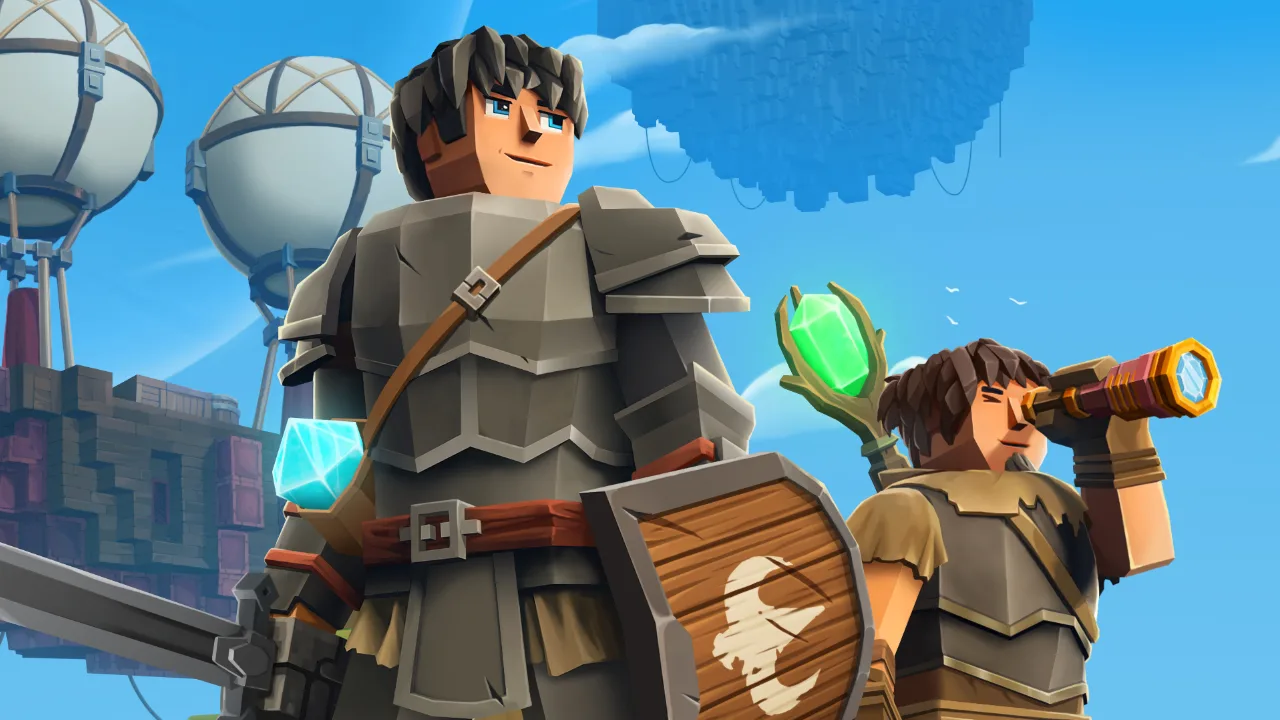
Scheduled for release on April 8, 2026, by developer Southern Cross Interactive, Lay of the Land presents perhaps the purest vision of the "Skyrim in a Minecraft world" concept. Its announced features read like a direct manifesto for the genre blend.
The game promises a procedurally generated, seamless open world encompassing distinct biomes—from forests and mountains to deserts and overgrown ruins. Its combat is explicitly touted as going "deeper than Minecraft," incorporating mechanics like combos and blocking to provide a more engaging, action-RPG feel against a variety of enemies and bosses.
Where Lay of the Land seeks to innovate most boldly is in its proposed building and crafting. The voxel-based system reportedly allows for greater geometric freedom than its inspiration, aiming to enable the creation of slopes and circular structures, more nuanced terrain manipulation, and even the ability to draw paths. Its crafting system is described as "physically based," which would require players to combine items directly in the world—such as at an anvil—rather than through abstracted menus, targeting a more immersive simulation.
Crucially, Lay of the Land is confirmed as a single-player experience. This positions it not as a chaotic multiplayer survival box, but as a deliberate, curated adventure-sandbox. The developers seem to be betting on a market of players who want the solitary, epic journey of a Skyrim, but within a world they can physically reshape to their will.
Everwind: The Live Case Study from Early Access
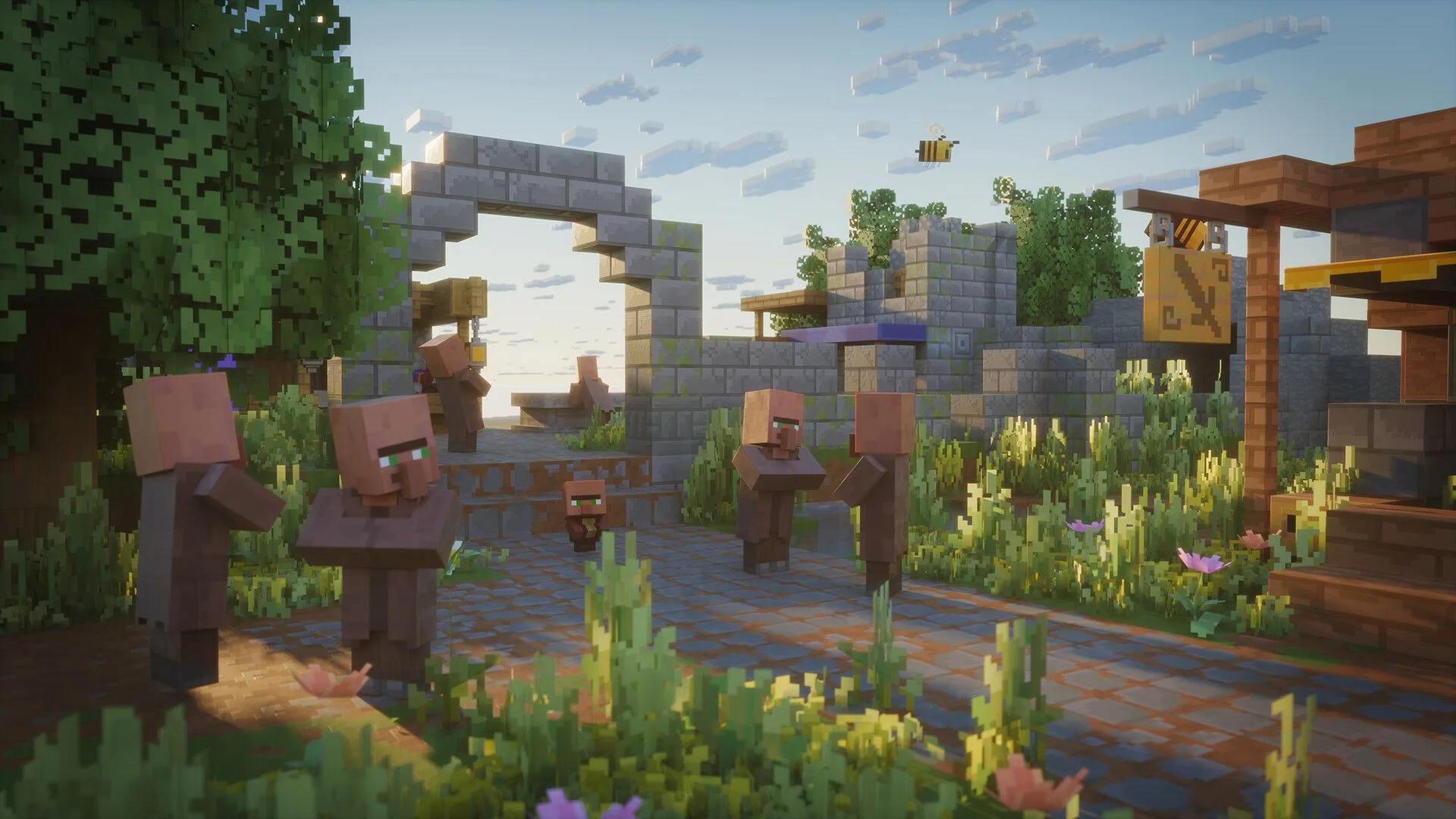
While Lay of the Land lays out a future vision, Everwind provides a real-time laboratory. Developed by Enjoy Studio S.A. and launched into Steam Early Access on March 17, 2026, it is the first major test of this genre fusion in the wild.
By measurable metrics, its initial launch is a success. It achieved a peak of 7,342 concurrent players in its first 24 hours and, at the time of reporting, holds a "Very Positive" Steam rating with an average review score of 89% from hundreds of reviews. This indicates a strong, immediate appetite for the core concept.
Player feedback, however, reveals the dichotomy facing these ambitious blends. Positive reviews consistently praise the game's relaxing vibe, its variety of activities, and the satisfying core loop of exploration and creation. The major criticism, appearing widely, targets technical performance, with numerous reports of low FPS even on high-end hardware. This highlights a key challenge: rendering vast, dynamic, voxel-based worlds with RPG-level detail is a significant technical hurdle.
The developer's response has been proactive. Enjoy Studio has already addressed performance concerns and released a roadmap for 2026, promising new enemies, weapons, and story content. Priced at €22.49 (with a 10% launch discount), Everwind has established itself as a live, evolving project. Its Early Access journey will be a crucial case study in whether the vision can be polished into a stable, enduring experience.
Challenges and Opportunities in Blending Genres
The path forward for games like Lay of the Land and Everwind is fraught with both immense potential and significant risk.
The primary pitfalls are clear. First is the challenge of balance: achieving meaningful depth in both RPG systems (combat, progression, narrative) and sandbox systems (building, crafting, world interaction) without one feeling shallow or tacked-on. The fear of becoming a "jack of all trades, master of none" is real. Second, as Everwind's launch demonstrates, the technical complexity of merging these systems can lead to performance issues that directly undermine immersion.
Yet, the opportunities are revolutionary. A successful fusion could create truly dynamic worlds where player-built structures aren't just cosmetic but feel integral to an epic journey—a self-built castle serving as a strategic base against regional threats. It enables a new form of emergent storytelling, where deep systemic interaction between RPG mechanics and a mutable world creates unique, personal narratives. Imagine altering a valley's landscape to gain tactical advantage in a boss fight, or discovering a hidden dungeon only accessible after quarrying through a mountain.
The target audience is a compelling fusion in itself. These games could appeal to Minecraft veterans seeking more guided adventure, narrative purpose, and challenging combat. Conversely, they might attract Skyrim and fantasy RPG fans who have always craved more permanent, systemic agency over the game world, moving beyond mods to have building and terraforming as core, supported mechanics.
Lay of the Land and Everwind represent a compelling and risky new vector for the sandbox genre. They are not mere homages but ambitious attempts to engineer a new whole from two legendary parts. Lay of the Land offers a bold, focused vision of a single-player crafted adventure within a mutable world, while Everwind provides the immediate, iterative feedback loop of Early Access, showing what resonates with players and what stumbles technically.
Their success in 2026 and beyond will hinge on a critical alchemy: marrying ambitious, systemic design with polished, performant execution. If they can achieve this, they stand to forge a new subgenre that captures the quintessential magic of gaming—the thrill of exploration and the power of creation, finally unified in one seamless, interactive world. If they succeed, they won't just create a new subgenre—they'll deliver on a long-held player fantasy: a world that is equally epic to explore and profound to shape.