Kena 2: How Scars of Kosmora Expands the Beloved Adventure to Fill a Major Action-RPG Void
The announcement of Kena: Scars of Kosmora did more than just reveal a sequel; it signaled the ambitious transformation of a beloved indie adventure into a potential flagship action-RPG. For fans of...

The announcement of Kena: Scars of Kosmora did more than just reveal a sequel; it signaled the ambitious transformation of a beloved indie adventure into a potential flagship action-RPG. For fans of lush, narrative-driven journeys, the gaming landscape has felt a particular void since the conclusion of the Horizon series' current saga. Announced during a February 2026 State of Play, Scars of Kosmora emerges as a beacon of hope for the year, poised to evolve from a cherished indie gem into a blockbuster-scale experience. With developer Ember Labs now partnered with PlayStation Studios, the question is no longer if the world of Kena will return, but whether it can grow to meet the towering expectations of players seeking their next epic, heartfelt adventure.
From Indie Darling to PlayStation Powerhouse
The journey of Kena: Bridge of Spirits is a modern indie fairytale. In 2021, Ember Labs, a studio with roots in animation, delivered a debut that captivated players with its stunning Pixar-esque visuals, tender story, and polished action. Its success was a surprise to many, proving that heart and craftsmanship could resonate as powerfully as any AAA marketing blitz.
The announcement of Scars of Kosmora signals a dramatic new chapter. The key differentiator is the confirmed partnership with PlayStation Studios. This move transcends a simple publishing deal; it’s an endorsement that places Kena in the same first-party narrative arena as titles like Horizon and God of War. For players, this partnership translates to tangible expectations: a significantly larger scale, a budget to match its artistic ambitions, and a level of polish that can compete with the industry’s best. Ember Labs is no longer the plucky underdog—it’s a PlayStation powerhouse in the making.
This ambition is framed by a clear, if distant, window. Confirmed for PlayStation 5 and PC with a 2026 release, the team has set a realistic timeline to deliver on its grand promises. The wait will be substantial, but it underscores the scope of the project now underway.

A Vastly Expanded World and Darker Story
Kena: Bridge of Spirits was set in a secluded, albeit beautiful, valley. Scars of Kosmora shatters those boundaries, transporting players to the entirely new island of Kosmora. Ember Labs promises a "larger world" composed of more distinct regions, suggesting an adventure with greater geographical diversity and scope for exploration.
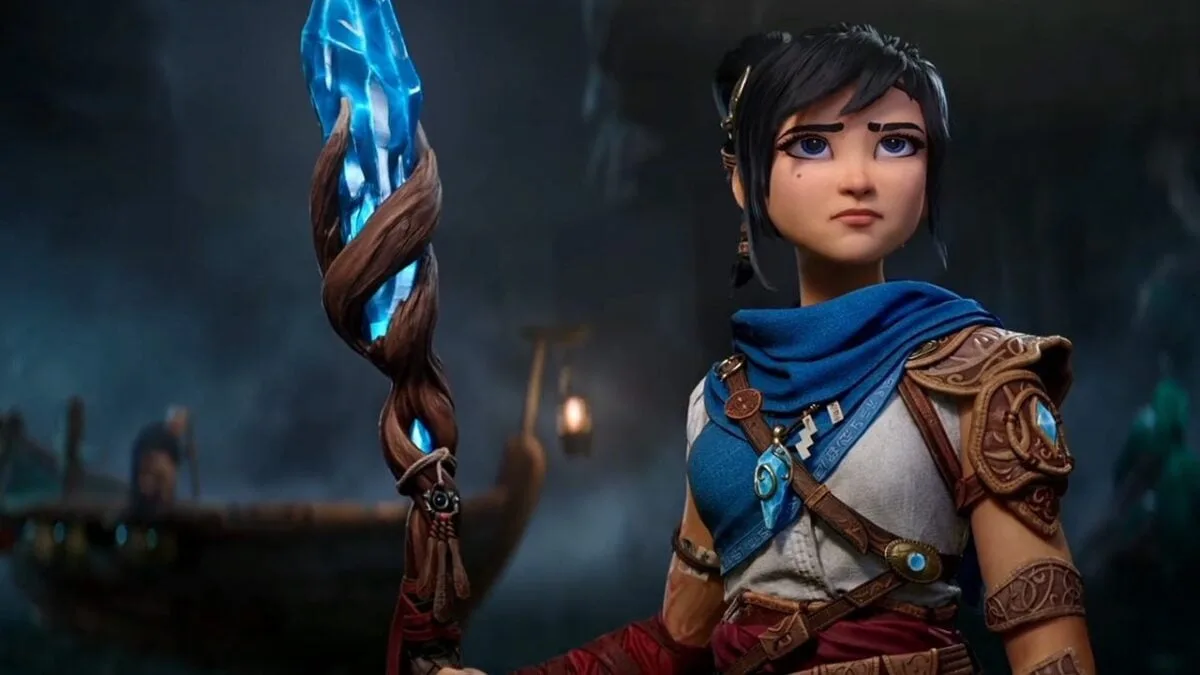
The narrative stakes have similarly escalated. Kena returns as an accomplished Spirit Guide, but her expertise is tested like never before. Her quest to Kosmora is a personal and perilous one: to find a cure for a mysterious affliction and reconnect with a past friend. The central conflict is physically embodied in her fractured staff, broken by a potent corruption. This catastrophe forces Kena to adopt what is described as a "forgotten and dangerous" form of Spirit Guiding. This story hook suggests a deeper, more complex internal struggle, moving beyond guiding lost spirits to confronting a corruption that threatens the very foundations of her abilities and morality. The tone appears set to mature alongside its expanded world.

Evolved Gameplay: Deeper RPG Mechanics and Spirit Companions
The most significant evolution comes in the gameplay’s very classification. Where the first game was a tight action-adventure, Scars of Kosmora is billed as an "action-focused RPG." This shift implies substantial new systems layered onto the core experience. The "action-focused RPG" label suggests the introduction of deeper progression systems, which could include elements like skill trees or stat customization that affect playstyle.
Combat and exploration are being reinvented through new elemental abilities. These powers, usable in both puzzle-solving and combat, promise to diversify strategies far beyond the first game’s melee-and-bow foundation. Furthermore, the beloved Rot companions are receiving a systemic overhaul. The sequel will feature a nurturing mechanic where caring for these spirit companions directly translates to harnessing their powers in the field. This deepens the player’s bond with the Rot from a charming aesthetic to a core, interactive gameplay pillar, making that emotional connection a functional part of progression.
The "Horizon-Sized Hole": Filling a Specific Niche
The comparison to Horizon is not merely thematic; it’s rooted in shared DNA that speaks directly to a specific player desire. Both franchises feature resilient, capable female protagonists exploring worlds where nature has breathtakingly reclaimed forgotten ruins. Both utilize a hybrid combat style blending agile melee (Kena’s staff, Aloy’s spear) with precise ranged attacks (spirit bow, focus bow). Most importantly, both center on a profound bond with non-human companions—Aloy with her machines, Kena with her Rot—that is crucial to both narrative and gameplay.
Kena: Scars of Kosmora is positioning itself to satisfy the same audience by boldly expanding into that niche. Its promised larger world tackles the scale of exploration, its darker story and RPG mechanics offer deeper narrative and systemic engagement, and its nurturing companion system doubles down on emotional investment. While it may not feature a vast open world in the same vein, its evolution into a larger, region-based action-RPG shows a clear intent to deliver a richer, more substantial experience.
Ultimately, Kena’s unique strength in filling this void may be its distinct heart. The first game’s emotional resonance, its quiet moments of beauty and grief, carved out a special place for players. As Ember Labs co-founder Josh Grier stated, the goal is to "deliver on what everyone loved about the first game and more." If the sequel can marry that unparalleled heart with its new AAA-scale ambitions, it will fill not just a gameplay void, but a profound emotional one.
While the Horizon series leaves undeniably big shoes to fill, Kena: Scars of Kosmora is demonstrating the vision and resources to grow into them. From its PlayStation-backed production to its expanded world, darker narrative, and evolved RPG gameplay, every sign points to a confident and ambitious evolution. The 2026 wait is a testament to the challenge ahead, but Ember Labs appears meticulously focused on building a grander adventure without losing the soul that made Kena a phenomenon. For players yearning for a journey that combines grand scale with intimate heart, the path to Kosmora cannot come soon enough.