Inside Job: The Fortnite Leaker Who Worked for Epic Games and the Legal Battle That Followed
For years, the Fortnite leak ecosystem has operated in the digital shadows. Dataminers, armed with code-sifting tools and patience, have built communities of hundreds of thousands hungry for the next...


For years, the Fortnite leak ecosystem has operated in the digital shadows. Dataminers, armed with code-sifting tools and patience, have built communities of hundreds of thousands hungry for the next skin or map change. But in March 2026, Epic Games unveiled a breach of an entirely different magnitude.
The source of some of the battle royale’s biggest, most specific leaks wasn’t an anonymous hacker in a distant forum; it was allegedly one of their own. The lawsuit filed by Epic that month didn’t just target a leaker—it exposed an inside job, accusing a former employee of weaponizing his access to spoil collaborations with giants like South Park and Kingdom Hearts.
This case pulls back the curtain on the high-stakes war between a developer’s right to control its narrative and the insatiable appetite for secrets, asking what happens when the threat comes from within the walls of the fortress itself.
The Lawsuit and the Alleged Inside Man
On March 5, 2026, Epic Games filed a formal complaint in the U.S. District Court for the Eastern District of North Carolina. The defendant: Hayden Cohen, a former Associate Producer who had worked on Fortnite as a contractor. The allegations were severe and multifaceted: Breach of Contract, Misappropriation of Trade Secrets, and Unfair and Deceptive Trade Practices.
The contractual breach centers on a Non-Disclosure Agreement (NDA) Cohen signed upon his hiring on September 11, 2025. This standard industry document legally bound him to confidentiality regarding Epic’s proprietary information. Epic’s lawsuit asserts he violated this agreement almost immediately after gaining access. Beyond the NDA, the company frames the leaked information—detailed plans for future collaborations, release schedules, and creative assets—as protected trade secrets, the lifeblood of their live-service model.
The man behind the username was no minor figure in leak circles. Operating under the handles AdiraFN and AdiraFNInfo, Cohen had cultivated a following of over 13,000 users on the platform X. This gave him a direct pipeline to a significant segment of the Fortnite rumor mill, transforming his insider access into social media currency and, according to Epic, actionable damage.
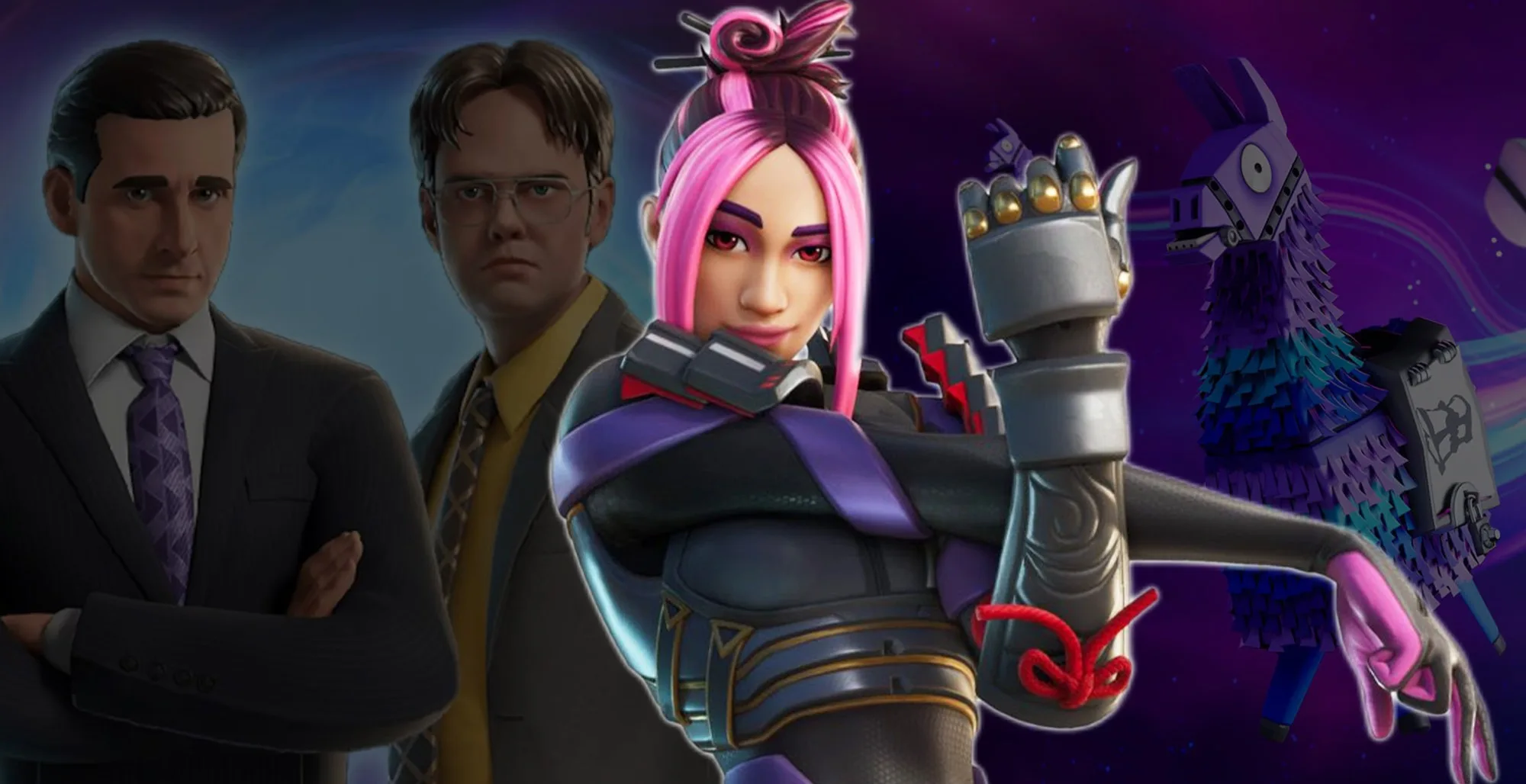
The Scale of the Leaks: From South Park to Solo Leveling
What separates this case from typical datamining scandals is the method and precision of the leaks. Traditional dataminers excavate information from public game client updates, often dealing with incomplete or placeholder assets. Epic alleges Cohen’s approach was fundamentally different: he used his employee-level access to internal Epic systems and communications to obtain finalized, confidential information.
The lawsuit provides a damning catalog of what this access allegedly yielded. Two major collaborations were leaked just before their official unveilings, maximizing the impact on Epic’s marketing plans. Details of a South Park collaboration were published by Cohen two days before the official announcement. Similarly, intel on a Solo Leveling crossover hit his channels before its scheduled reveal in February 2026.
The scope of potential damage extends far beyond these two examples. While the lawsuit specifically cites South Park and Solo Leveling, it also references a broader pattern of leaks encompassing other rumored and potentially confidential mega-IPs from internal documents. The list, as cited in the lawsuit, read like a pop-culture fantasy draft: Game of Thrones, Kingdom Hearts, Overwatch, Minecraft, The Office, Ed, Edd n Eddy, Chainsaw Man, He-Man, and more. Whether all were in active development is unclear, but their mention illustrates the terrifying breadth of confidential data an insider could potentially expose.

Epic's Stakes: Why This Case Matters
For Epic Games, this lawsuit is about far more than punishing a single individual. It’s a calculated move to defend core business pillars. The legal filing meticulously outlines the cascading damages allegedly caused by the leaks.
First and foremost is the damage to partner relationships. Collaborations with entities like South Park are complex negotiations built on trust and controlled rollout plans. Premature leaks can strain these partnerships, potentially impacting future deals and violating mutually agreed-upon marketing schedules. Epic claims partners were forced to reallocate resources and scramble their own plans in response to the leaked information.
Secondly, Epic highlights the diminishment of player surprise and excitement. The carefully crafted hype cycle of a seasonal reveal is a powerful engagement tool. Leaks undercut this, turning official announcements into confirmations rather than celebrations, which can dampen community buzz and, by extension, commercial performance.
Finally, the company points to the significant internal cost of the breach. Identifying the source required a substantial investigative effort, diverting security, legal, and management resources from other projects. The legal remedies Epic seeks—a permanent injunction against further disclosure, the destruction of all confidential materials in Cohen’s possession, and financial damages covering both losses and legal fees—are aimed at recouping these costs and setting a formidable precedent.
Epic’s stated motive for Cohen’s actions is succinct: “clout.” In the economy of online influence, being the first and most accurate source carries immense value, translating to followers, engagement, and status within niche communities. This case frames that pursuit of social capital as an actionable threat to a multi-billion dollar enterprise.
The Fallout and Industry Implications
The timeline of Epic’s response shows a shift from private warning to public legal action. After identifying the source, the company sent a cease-and-desist letter to Hayden Cohen on February 20, 2026. When that failed to stop the flow of information—or, perhaps, when the scale of the existing leaks became fully apparent—Epic escalated. Shortly after, around February 23, 2026, Cohen’s primary channels, the AdiraFNInfo X account and associated Discord servers, were deactivated.
As of now, the case is ongoing. Its final outcome will be closely watched, as it could set a new legal benchmark for holding individual leakers, particularly those with insider access, directly accountable.
The implications ripple far beyond Fortnite. This lawsuit underscores the extreme measures companies are now willing to take to protect their secrecy. It places a glaring spotlight on the efficacy and enforcement of NDAs in the modern gig-based and contractor-heavy game development landscape. If a contractor can cause this level of alleged harm, it may lead to stricter access protocols and more severe contractual penalties industry-wide.
Furthermore, it complicates the long-standing, symbiotic-yet-antagonistic relationship between leakers and the gaming community. While audiences crave information, this case starkly illustrates that not all leaks are created equal. Insider breaches of trust carry legal and financial consequences that anonymous datamining does not, potentially making communities more wary of sources that seem “too good to be true.”
The lawsuit filed by Epic Games against Hayden Cohen marks a watershed moment. It’s a declaration that the source of a leak matters as much as the leak itself. In an era where information is the ultimate commodity, this case draws a new battle line in the war over control. It pits a developer’s fundamental right to announce its work on its own terms against a culture of instant gratification and insider prestige. Whether this legal action acts as a lasting deterrent or merely forces future insider leaks further underground remains to be seen. The "inside job" has forced a reckoning, proving that in the high-stakes game of controlling Fortnite’s narrative, Epic is now targeting the players, not just the play.
Tags: Fortnite, Epic Games, Gaming Lawsuit, Video Game Leaks, Industry News