Indie Pass: Can a Curated Subscription Service Solve Indie Game Discoverability?
The modern PC gaming landscape is a paradox of abundance, where platforms like Steam host an unprecedented library yet drown exceptional indie games in noise. With over 20,000 titles released on...

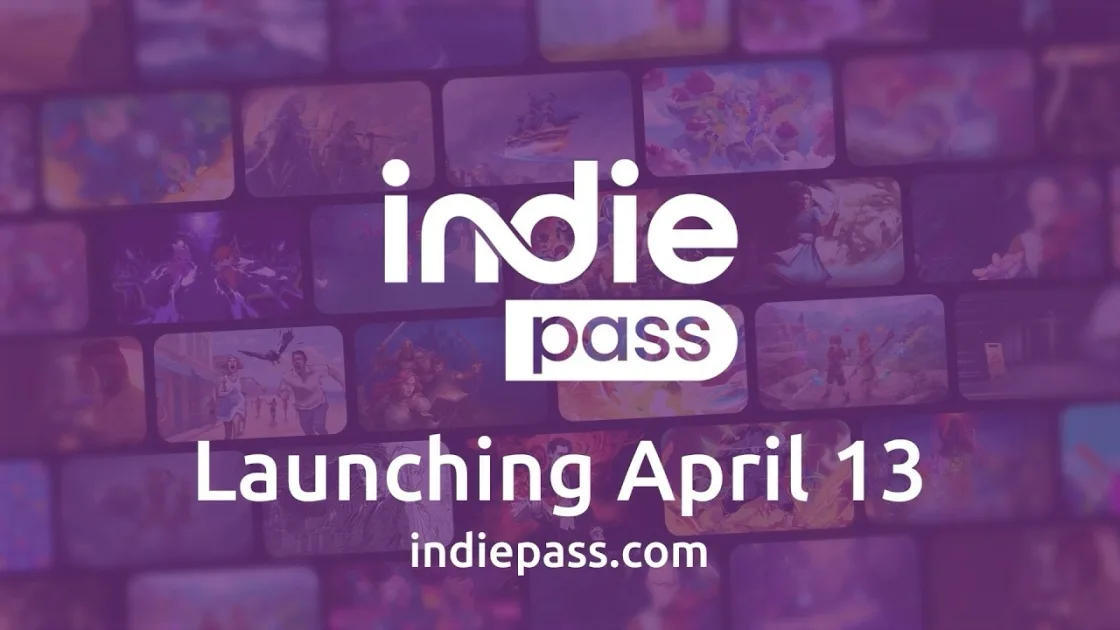
The modern PC gaming landscape is a paradox of abundance, where platforms like Steam host an unprecedented library yet drown exceptional indie games in noise. With over 20,000 titles released on Steam in the last year alone, discovery is a chore for players and an existential threat for developers. Into this turbulent market sails a proposed new solution: Indie Pass. Announced for a global PC launch on April 13, 2026, this subscription service promises to cut through the clutter by focusing exclusively on independent titles. But is this curated, developer-friendly model the answer indie gamers and creators have been waiting for, or merely another launcher in an already crowded dock?
What is Indie Pass? The Core Proposition
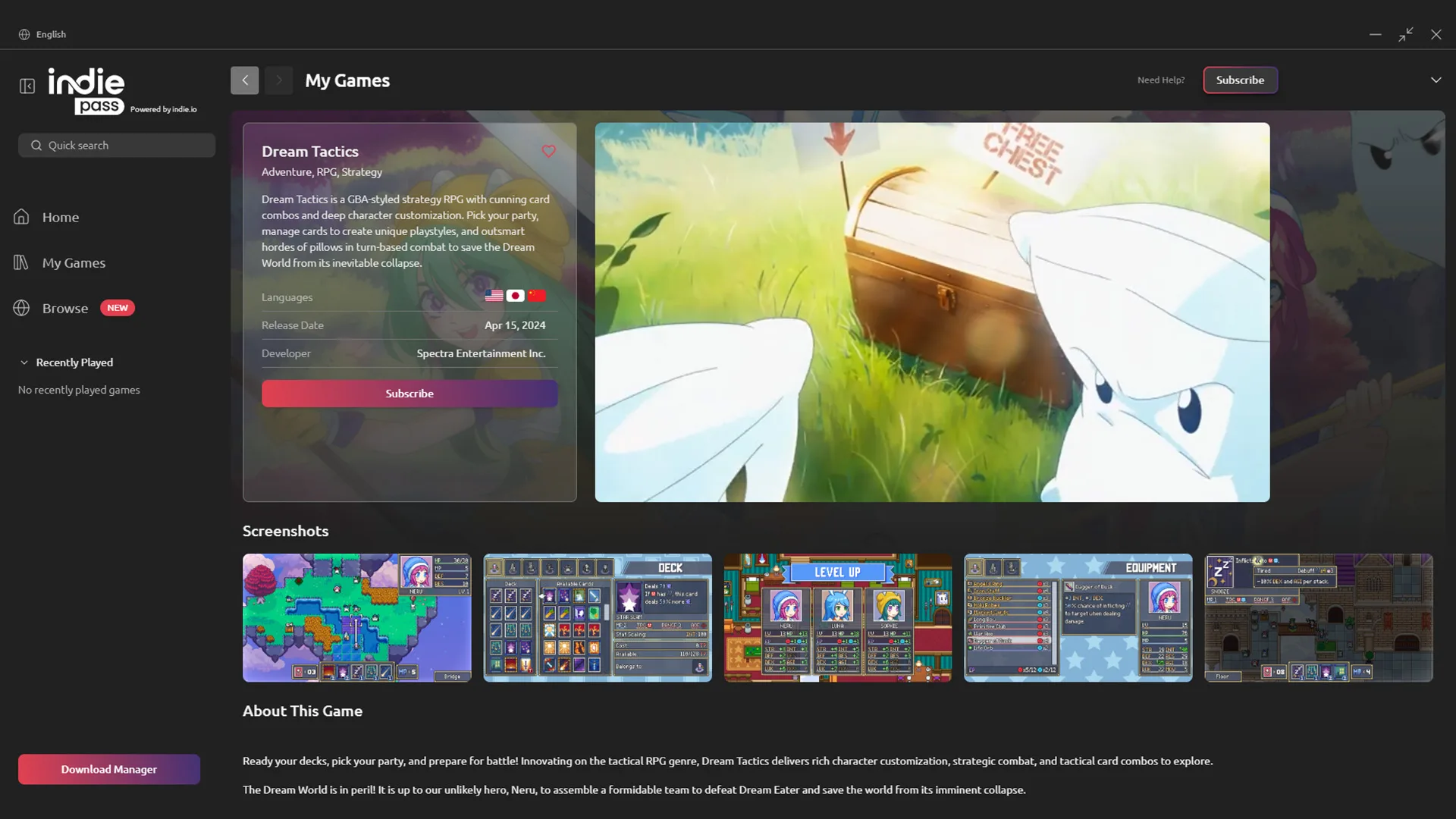
Announced by publisher and platform Indie.io, Indie Pass is positioning itself as a specialist in a field of generalists. Slated for an April 13, 2026 launch, its core proposition is straightforward: for a monthly fee of $6.99 (with an annual subscription priced at under $60), subscribers gain access to a curated library of indie games. The service will debut with a library of more than 70 titles, with confirmed examples including the cozy life sim Echoes of the Plum Grove and titles from the Dark Deity franchise.
Access will not be through an existing storefront. Instead, Indie Pass will require its own dedicated launcher, a decision that immediately frames one of the service's primary challenges: convincing players to adopt yet another piece of software. The initial launch is PC-only, though the company has stated that expansion to consoles is a future goal. The value proposition hinges entirely on the quality and appeal of its curated selection and the uniqueness of its underlying philosophy.
The Developer-First Philosophy: How It Works for Creators
Where Indie Pass aims to truly differentiate itself is in its foundational business model, which is engineered to appeal directly to developers—the lifeblood of the service. This model is built on two revolutionary pillars: non-exclusivity and engagement-based revenue.
In a stark contrast to the exclusivity deals that define platforms like the Epic Games Store or some tiers of Xbox Game Pass, Indie Pass imposes no such restrictions. Developers are free to keep their games on Steam, itch.io, GoG, or any other storefront while participating in the subscription. This removes a significant barrier to entry and risk for creators.
The revenue model is equally novel. Instead of a flat-fee licensing deal, subscription income is distributed to developers based on a player engagement model. Essentially, a subscriber’s $6.99 monthly fee is allocated to the developers of the games they actually play, proportionate to the time spent in each title. This aligns developer success directly with player enjoyment and discovery.
Jess Mitchell, Indie.io's Director of Growth, encapsulated this philosophy, stating the service is designed as a "rising tide lifts all boats" situation for game sales, with a primary focus on "growing that player base as quickly as possible." The goal is not to replace direct sales but to supplement them by exposing games to a large, engaged audience that might otherwise never find them.
Curation vs. The Algorithm: Tackling Discoverability Head-On
This focus on exposure gets to the heart of Indie Pass's stated mission: solving discoverability. By highlighting the staggering statistic of 20,000+ annual Steam releases, the service positions its human-led curation as the antidote to impersonal, engagement-optimized algorithms.
The curation philosophy is intentionally specific. The aim is to build a "distinctly indie, distinctly curated collection" focused on single-player experiences from small teams, consciously avoiding massive multiplayer or live-service games that dominate other services. This is a bet on quality over sheer quantity. For time-poor players, this promises not just quality, but efficiency—transforming discovery from a chore of sifting through hundreds of options into a trusted recommendation from knowledgeable curators. For developers, it offers a spotlight—a chance to be placed in a collection where every title has been vetted for quality, reaching an audience predisposed to appreciate indie craftsmanship.
This human touch is the service's primary value add. In a market where algorithms often reinforce popularity, a curated service can surface niche genres, innovative mechanics, and poignant narratives that might not achieve viral traction but deserve a dedicated audience.
Potential Impact and Lingering Questions
Indie.io does not enter this arena empty-handed. As a publisher with a library of over 200 games and a connected network (including the wiki.gg platform) boasting over 10 million monthly users, the company has a built-in community and content pipeline that could provide Indie Pass with a crucial head start. This existing ecosystem could be leveraged for cross-promotion and initial subscriber acquisition.
However, significant questions loom on the horizon. The PC-first limitation, while pragmatic, excludes a massive segment of the indie-friendly console market at launch. The $6.99 price point will inevitably be measured against the vast libraries of Xbox Game Pass and PlayStation Plus, even if those services are not indie-specific. Will 70+ curated games feel competitively substantial? Furthermore, while the engagement-based revenue model is fair in principle, its practical efficacy remains unproven. Will the distributed slices of the subscription pie be substantial enough to provide meaningful supplementary income for developers, or will it be a symbolic trickle?
Finally, the launcher hurdle cannot be overstated. The PC gaming community has grown weary of platform fragmentation. Indie Pass's success is contingent on its library being compelling enough to justify yet another icon on the desktop, breaking the entrenched habit of launching everything from Steam.
Indie Pass presents an ambitious dual promise: to offer gamers a manageable, high-quality haven from the overwhelming indie deluge, and to provide developers with a fair, supplementary revenue stream unburdened by restrictive exclusivity. Its 2026 launch is poised to be one of the most interesting experiments in the gaming subscription space. Its success will not be judged solely by subscriber counts or its launch library's quality, but by whether it can genuinely reshape the fraught relationship between indie creators and their audience. Can a curated, ethical model carve out a sustainable niche in a market dominated by scale and algorithms? In 2026, Indie Pass will begin its quest to prove that for indie games, a smaller, more focused tide might just be what’s needed to lift all boats—or if, in the end, players simply have too many harbors to choose from.
Tags: Indie Games, Gaming Subscription Services, PC Gaming, Game Discovery, Indie Pass