"I Grew Up Wanting to Create a Mario for Xbox": Ori Director Thomas Mahler’s Blunt Critique of Game Pass and the Quality Crisis at Microsoft
When the creator of two of the most beloved games on Xbox, Ori and the Blind Forest and Ori and the Will of the Wisps , calls the company's subscription strategy a "Communist" system that...

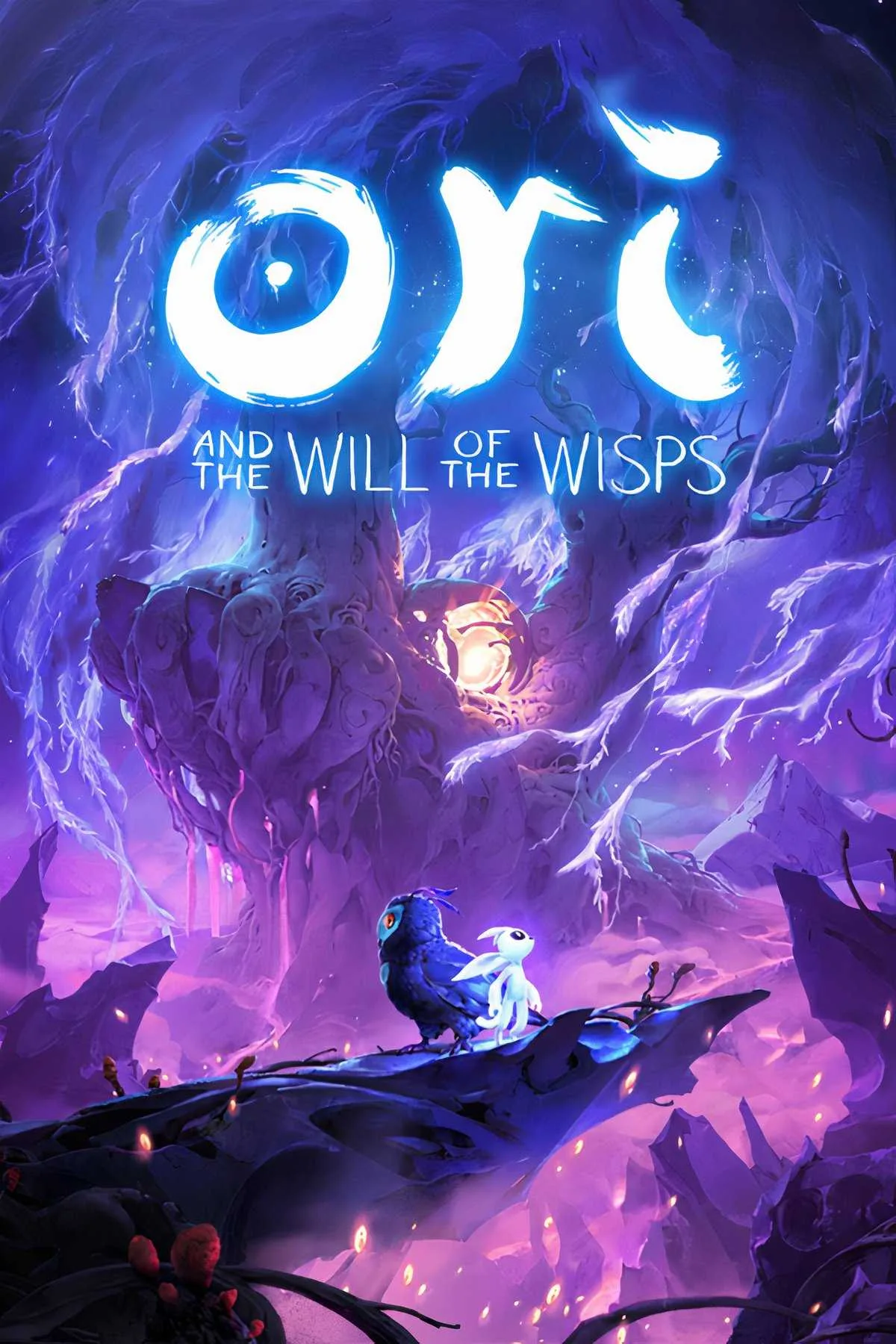
When the creator of two of the most beloved games on Xbox, Ori and the Blind Forest and Ori and the Will of the Wisps, calls the company's subscription strategy a "Communist" system that incentivizes "slop," the gaming community pays attention. Thomas Mahler, CEO of Moon Studios and a former Xbox Game Studios partner, didn't hold back in a June 18, 2026 Twitter thread. His criticism arrives at a moment of existential crisis for Xbox, as depicted in this speculative analysis of a potential future based on current industry trends: reported studio closures, subscriber losses from price hikes, and a leadership reset. Mahler's perspective carries unique weight. The Ori series has sold over 15 million copies, with Ori and the Blind Forest scoring 88 on Metacritic and its sequel hitting 90. Both games are published by Xbox Game Studios and remain permanent members of Game Pass. Few developers can claim to have delivered critical and commercial hits that stay within the Microsoft ecosystem. When Mahler speaks about what makes a great game, and what breaks a platform, he speaks from experience. His core thesis: Game Pass could have worked, but Xbox failed to produce enough high-quality hits to justify the monthly subscription.
"Slop Out Mediocre Content Like a Factory", Mahler's Core Critique
Mahler's most incendiary line, that Xbox incentivizes partners to "slop out mediocre content like a factory", cuts to the heart of his argument. He compared Game Pass to Communism, saying both systems fail because they do not give people "a strong incentive to roll up their sleeves and go the extra mile." (Mahler clarified that he was referring to the incentive structure, not making a political statement.) Without the financial rewards that come from individual game sales, developers have less motivation to polish their work to a high standard. The subscription model, Mahler argued, encourages volume over quality.
"The Gamepass strategy could've worked if people would've shown up for it," he wrote. "Problem is: They didn't and the software catalogue was just nowhere near good enough to make people happily pay the subscription every month."
Mahler drew a sharp distinction between games and other subscription media. He compared Game Pass to streaming TV services like HBO, noting that television series are rewatchable and can retain subscribers over long periods. Games, by contrast, depend on strong "new" releases to keep players engaged. Xbox needed a consistent stream of blockbuster hits to make the model work. That stream never arrived.
The Hit Drought, Why Starfield Symbolizes a Broken Pipeline
Mahler singled out Starfield as a flagship failure that perfectly illustrates Xbox's creative leadership problem. "You'd want Bethesda to create a Skyrim in Space that ought to be better than Skyrim," he said. "But we got Starfield instead." The game, released to mixed reviews, was supposed to be the killer app that proved Game Pass's value. Instead, it became a symbol of unmet expectations.
Mahler's broader critique extended beyond a single title. "Almost every single first-party studio in recent years has been floundering," he argued. Microsoft's performance in Metacritic's annual publisher rankings supports that claim. The company placed first in 2021, thanks to hits like Forza Horizon 5, Psychonauts 2, and Microsoft Flight Simulator. But in 2022 and 2023, Xbox did not even make the top 10. By 2025, it climbed back to fifth, a recovery, but still a far cry from the dominance a company spending $76.5 billion on acquisitions should command.
It is worth noting that Starfield's development began before Microsoft acquired Bethesda for $7.5 billion. The game was not originally conceived as a Game Pass flagship. But Mahler's point is not about one game's development timeline. It is about a systemic failure: even with a massive war chest of studios, Xbox could not deliver the kind of consistent, genre-defining hits that would make the subscription model stick.
The Perfect Storm, Studio Closures, Subscriber Loss, and a Leadership Reset
Mahler's critique comes at a time when Xbox is facing severe headwinds. In this hypothetical scenario based on current trends, reports emerge in June 2026 that Microsoft is planning to close three first-party studios: Double Fine (Psychonauts 2), Ninja Theory (Hellblade 2), and Compulsion Games (South of Midnight). Significant layoffs are expected in July 2026. This follows a 2025 price hike that raised Game Pass Ultimate from $19.99 to $29.99 per month, shedding millions of subscribers (according to industry analysts tracking the projected decline). New Xbox CEO Asha Sharma acknowledged the service had become "too expensive" and cut the price back to $22.99.
Mahler had already expressed disappointment earlier in the month. "I grew up wanting to create a Mario for Xbox," he wrote on Twitter, while also saying he had "always secretly hoped that Microsoft would see the value in what we delivered, that they'd selfishly turn Ori into their Mickey Mouse or a Mario-esque mascot." That never happened. Despite Ori's critical and sales success, Microsoft did not invest in building a long-term franchise around it. The failure to nurture a proven hit into a platform mascot speaks to a broader inability to transform artistic success into strategic advantage.
The closures and subscriber losses paint a grim picture. Xbox spent billions to acquire studios, yet is now reportedly shutting down some of the very teams that delivered the company's most celebrated recent titles. The disconnect between acquisition strategy and creative leadership could not be starker.
A Call for Quality Over Quantity
Mahler's prescription for Xbox is pointed. The company needs leaders who "deeply, fundamentally understand gamers and what they want," who can tell "what's a good game and what's a mediocre game." He argues that without that kind of creative curation, no subscription model can succeed.
Some industry observers counter that it is difficult to make great art when working under the fear of layoffs. The same quality problems Mahler attributes to the subscription model may stem from morale and instability at studios that are constantly uncertain about their future. A toxic cycle emerges: mediocre games lead to poor subscriber retention, which leads to cost-cutting, which further erodes quality.
What would a genuine quality reset look like? Fewer but better first-party releases. Patient development cycles that allow studios to take risks. A return to franchise-building, the kind of long-term thinking that turned Halo, Gears, and Forza into pillars of the Xbox brand. Microsoft demonstrated this approach in 2021 with a flurry of critical darlings. It has since lost that momentum.
Thomas Mahler is not an outsider lobbing criticism from the cheap seats. He is a developer who proved that excellence within the Xbox ecosystem is possible. His Ori games are among the most acclaimed titles on the platform, and they remain permanent members of Game Pass. When he says the model works only if backed by exceptional software, he is speaking from hard-won experience.
The future of Game Pass depends on whether leadership listens. Microsoft faces a choice: continue the factory approach, churning out mediocre content to fill a subscription catalog, or rebuild for quality, patient development, and creative vision. The next year will determine which path the company takes. For now, Mahler's blunt diagnosis stands as both a warning and a potential blueprint for recovery.