How the Ocarina of Time Remake Could Redefine the Future of Zelda
When Nintendo saved the Ocarina of Time remake for the closing moment of its June 2026 Direct, it did more than ignite nostalgia, it set the stage for a new chapter in Zelda’s history. With no...

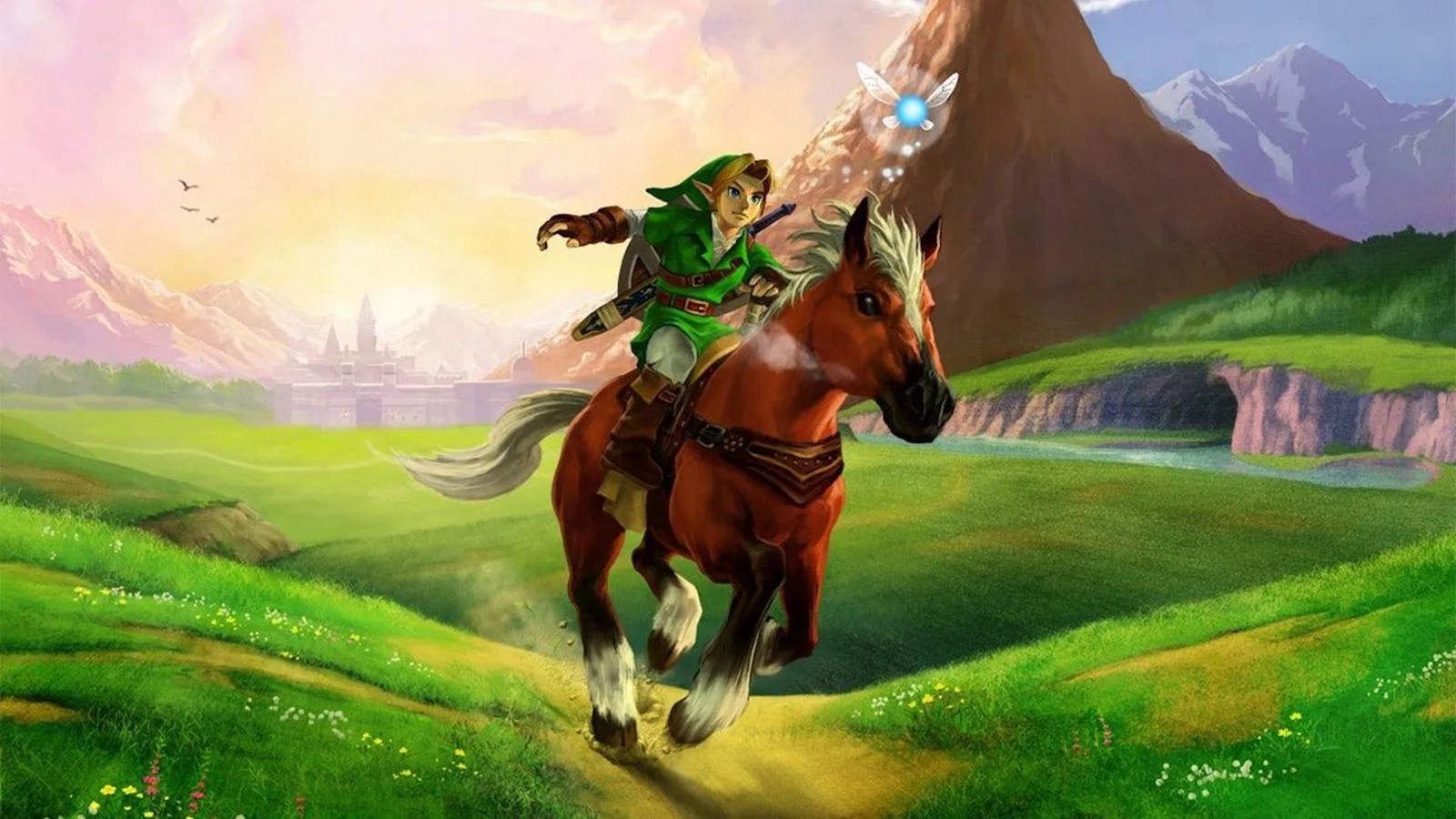
When Nintendo saved the Ocarina of Time remake for the closing moment of its June 2026 Direct, it did more than ignite nostalgia, it set the stage for a new chapter in Zelda’s history. With no gameplay shown and only a cryptic tapestry teaser, the announcement raised more questions than answers. Yet beneath the mystery lies a deliberate strategy: a 40th-anniversary bridge between Zelda’s classic 3D lineage and its open-world future, exclusive to Switch 2. This article explores how the remake is more than a nostalgia play, it’s a strategic blueprint for the franchise’s next generation.
The Announcement That Left Everyone Guessing
The Legend of Zelda: Ocarina of Time remake was revealed as the final, headline-making announcement of the June 9, 2026 Nintendo Direct, ending a nine-month drought of major first-party showcases. The Direct itself ran about 50 minutes, but most of the buzz came from those final 90 seconds.
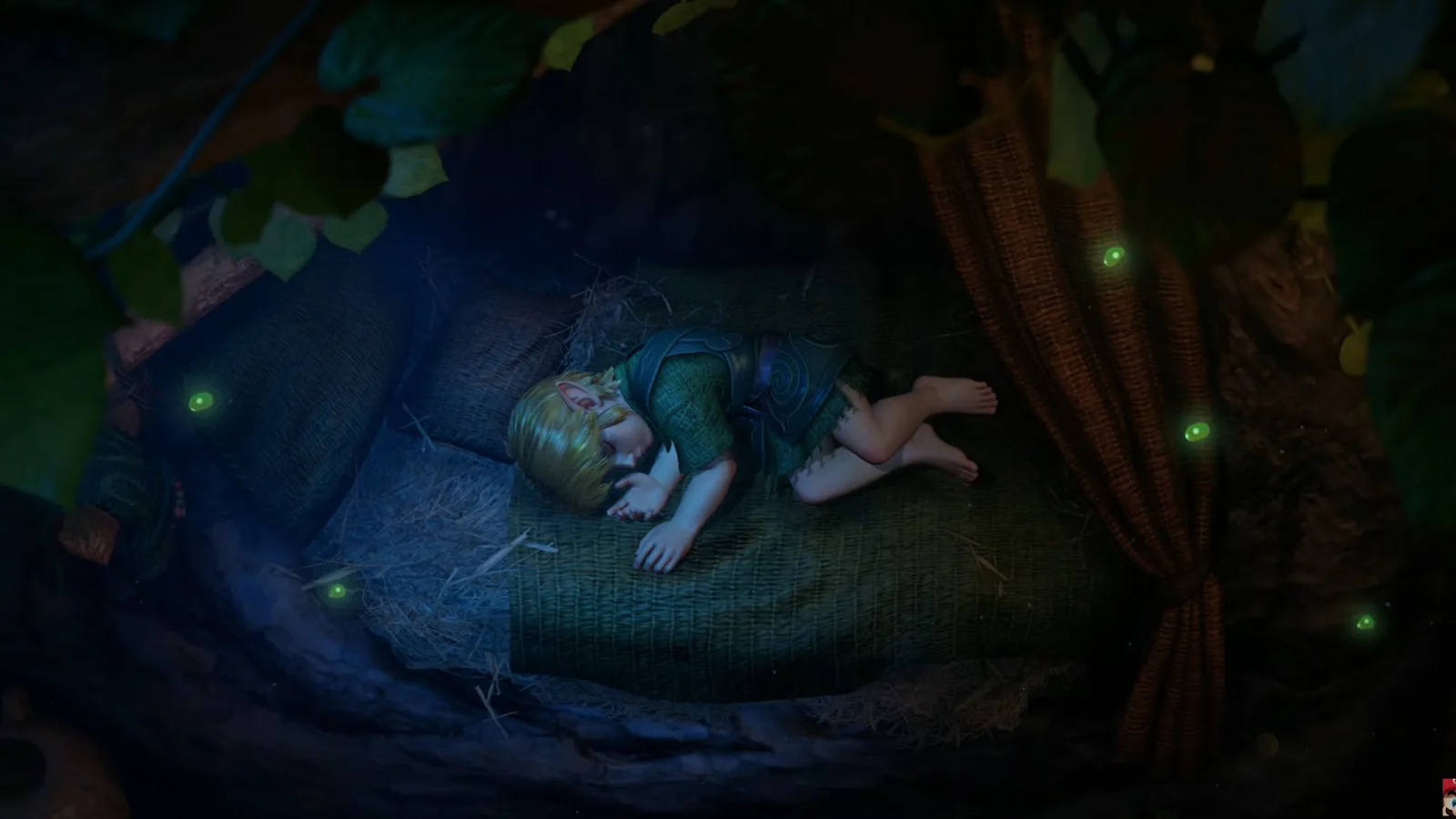
Nintendo’s teaser was deliberately opaque. It showed no actual gameplay, only a tapestry depicting Hyrule’s history and a sleeping Link, accompanied by ominous narration. Nintendo described the project as Ocarina of Time “reborn on Nintendo Switch 2,” carefully avoiding the word “remake.” This leaves the scope wide open: will it be a ground-up rebuild in a modern engine, or something closer to a high-end remaster with updated textures and lighting? Without gameplay footage, fans can only speculate.
What is certain is that the remake is exclusive to Nintendo Switch 2. It will not be playable on the original Switch, which has an installed base of more than 140 million units. This decision limits the immediate audience but positions the title as a system-seller for Nintendo’s next-generation hardware, a role similar to what Twilight Princess served for the Wii in 2006.
Why Ocarina of Time, and Why Now?
Ocarina of Time (1998) is one of the most influential games ever made. It pioneered 3D combat with Z-targeting, introduced context-sensitive action buttons, and wove a time-travel narrative that still feels fresh today. Its design DNA runs through both classic Zelda titles and modern open-world entries like Breath of the Wild and Tears of the Kingdom. Remaking it is not merely a nostalgia play, it is a chance to revisit the blueprint that defined 3D action-adventure gaming.
The timing is no coincidence. The Legend of Zelda franchise celebrated its 40th anniversary in 2026, and the remake appears to be a centerpiece of Nintendo’s broader celebration strategy. Rumors from European outlets suggest a “Zelda XXL” plan that could include two additional new Zelda titles in development alongside this remake. While Nintendo has not confirmed those rumors, the anniversary year offers a natural opportunity to reassert Zelda’s cultural relevance.
The teaser’s visual direction also signals a shift. Early descriptions point to a more realistic, grounded aesthetic, a full graphical overhaul with modern textures and lighting, rather than the cel-shaded or chibi styles of prior rereleases. This suggests Nintendo wants to modernize the game’s presentation for a contemporary audience while preserving its iconic tone, potentially setting a new visual standard for future Zelda remakes.
How This Remake Could Shape Zelda’s Future
The Ocarina of Time remake may serve as a testing ground for Nintendo’s approach to remaking classic 3D Zelda titles on Switch 2. If successful, it could pave the way for similar treatments of Majora’s Mask, Wind Waker, or Twilight Princess, games that have been rumored for years but never materialized in full remake form. A well-received Ocarina remake could establish a template for how Nintendo handles its entire N64 and GameCube catalog on the new hardware.
More importantly, the “reborn” Ocarina could directly influence the design principles of the next mainline Zelda game. Breath of the Wild and Tears of the Kingdom brought unprecedented freedom to the franchise, but some players have longed for the tighter dungeon design and narrative pacing of older entries. Nintendo could use the remake to experiment with hybrid approaches: blending the linearity of classic Zelda with the open-air exploration that defines the modern era. Imagine a reworked Water Temple where the dungeon’s core path remains fixed, but side chambers hide optional new items or lore that reward detours, a design ethos that could carry into the next mainline Zelda, satisfying both classicists and modern explorers. Combat systems, world design, and puzzle logic from the remake may inform how the next Zelda balances nostalgia with innovation.
Exclusivity also sends a strong message. By launching the remake only on Switch 2, and deliberately avoiding cross-generation support, Nintendo is betting that Ocarina of Time can drive hardware adoption just as Breath of the Wild did for the original Switch. The move echoes the launch strategy of Twilight Princess, which arrived as a Wii exclusive and helped define the system’s early library.
The Risks and Opportunities of a Ground-Up Reboot
Exclusivity carries real risks. The 140 million Switch 1 owners who cannot play the remake may feel alienated, especially if Nintendo does not offer a complementary experience for their hardware. However, the strategy also gives Nintendo a marquee title to showcase the Switch 2’s improved performance and graphical capabilities. The remake could become the system’s first must-have game.
Fan expectations are sky-high, and potentially volatile. Ocarina of Time is sacred ground for many players. Any changes to its revered formula, such as altering dungeon design, rearranging music, or rewriting dialogue, could provoke backlash. Nintendo has trodden this ground before. The 2015 Majora’s Mask 3D remake received criticism for altering boss fights and swimming mechanics, showing that even well-intentioned modernizations can alienate purists. The Ocarina team will need to read that feedback carefully. Nintendo must strike a delicate balance between preservation and meaningful modernization. Keeping the original’s spirit intact while bringing its mechanics up to current standards will be no small feat.
Yet the opportunity is enormous. If Nintendo succeeds, the Ocarina of Time remake could set a template for how the company handles its entire back catalog on Switch 2, not just Zelda, but other franchises such as Mario, Metroid, and Star Fox. A successful remake could prove that Nintendo’s classic library can be revitalized for a new generation without sacrificing what made those games timeless.
The Road Ahead for Hyrule
The Ocarina of Time remake is more than a nostalgia trip, it is a strategic blueprint for the future of The Legend of Zelda. By reviving the franchise’s most iconic entry as a Switch 2 exclusive with a fresh art style and an air of mystery, Nintendo is testing how best to honor its past while pushing toward the future. Whether this “rebirth” leads to a new wave of classic remakes or directly shapes the next mainline Zelda, one thing is clear: the path forward for Hyrule runs through the Temple of Time.