How Red Dead Redemption 2's DNA Could Shape Grand Theft Auto 6: A Developer's Insight
According to a former Rockstar developer, the secret to Grand Theft Auto 6 might not lie in a radical new direction, but in the refined DNA of its critically acclaimed predecessor, Red Dead...

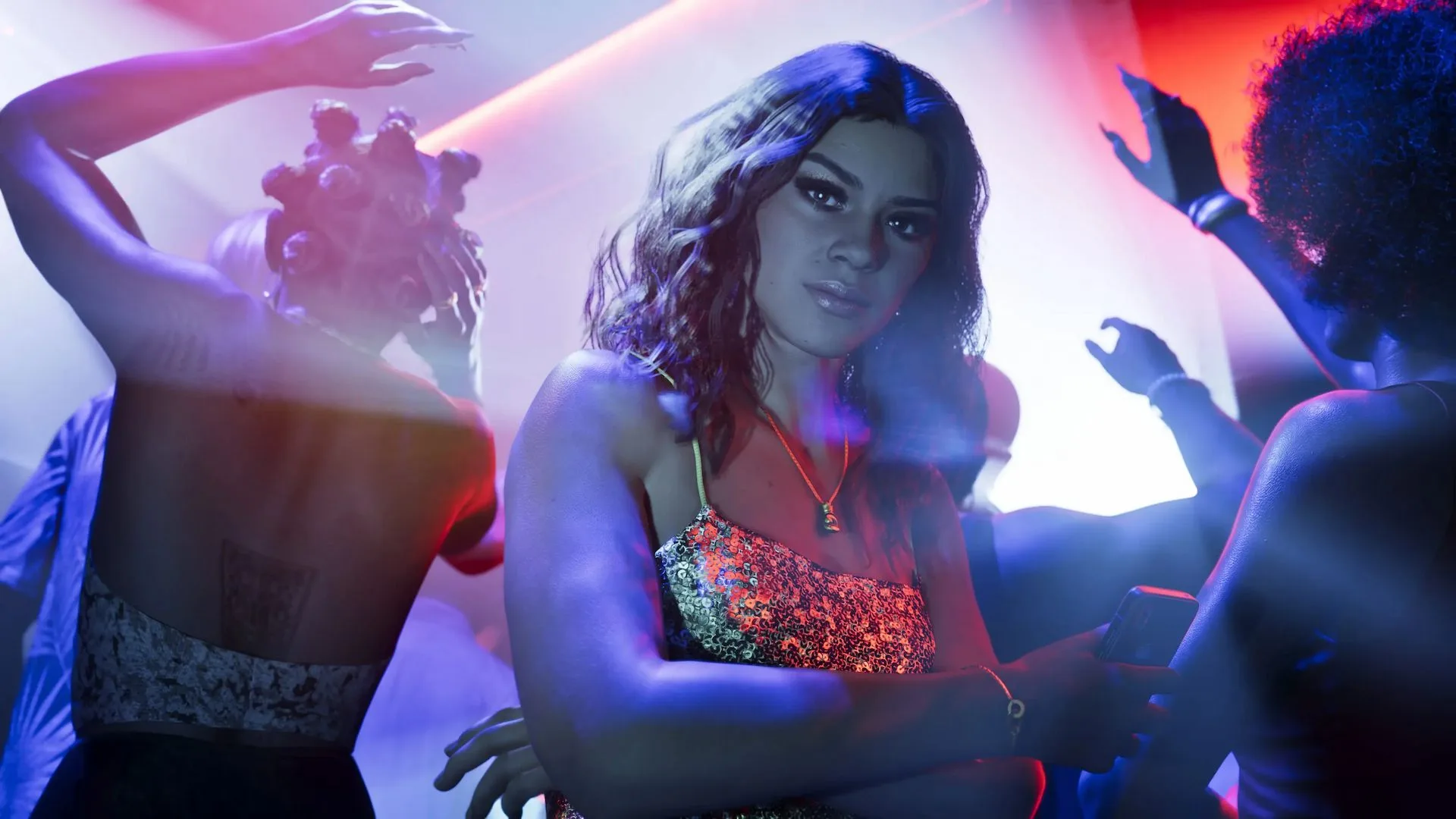
According to a former Rockstar developer, the secret to Grand Theft Auto 6 might not lie in a radical new direction, but in the refined DNA of its critically acclaimed predecessor, Red Dead Redemption 2. While Rockstar Games remains famously tight-lipped, insights from those who have been inside the studio are priceless. In a revealing interview, former Rockstar audio designer Rob Carr—a veteran of both GTA V and Red Dead Redemption 2—has shed light on the company's creative process and made a compelling prediction: GTA 6 will almost certainly borrow and evolve features from RDR2. This article explores Carr's insights, Rockstar's history of iterative innovation, and what this philosophy could mean for the future of the GTA series.
The Prediction: RDR2's Legacy in GTA 6
In a recent interview with YouTuber Kiwi Talkz, former Rockstar developer Rob Carr offered a rare glimpse into the studio's forward-thinking design. Having contributed to the audio of GTA V and the immersive soundscape of Red Dead Redemption 2, Carr is uniquely positioned to comment on Rockstar's cross-franchise pollination. His prediction was straightforward: "I will be surprised if they don't use something from Red Dead 2."
This isn't a random guess. Carr points to Rockstar's established pattern of cross-pollinating successful mechanics between its flagship titles. While Red Dead Redemption 2 is often praised as a pinnacle of open-world immersion—with its deep systemic world-building, intricate NPC routines, and reactive environments—it didn't emerge from a vacuum. Its DNA is built upon lessons learned across decades of Rockstar development. The logical next step, as Carr suggests, is for those hard-won innovations to feed back into the studio's other titanic franchise, setting the stage for GTA 6 to inherit and adapt RDR2's profound sense of a living world.
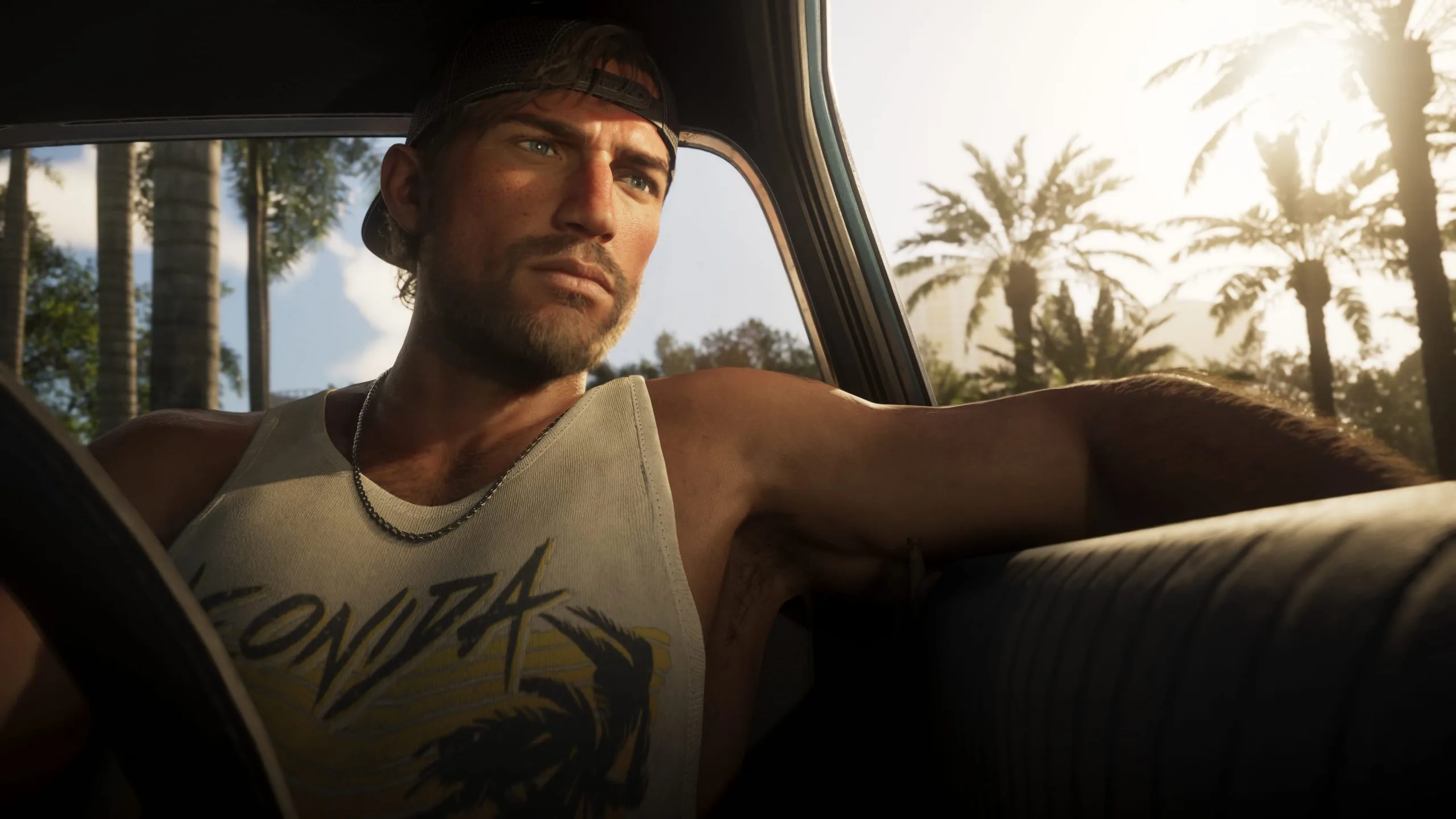
A History of Iteration: How Rockstar Builds on Success
To understand why Carr's prediction carries weight, one must look at Rockstar's proven development mantra: refine, don't reinvent. Carr provided concrete examples from GTA V, a game that itself is a mosaic of Rockstar's past successes.
He explained that Michael's signature slow-motion "Dead Eye" shooting ability was a direct adaptation of the mechanic from the Red Dead Redemption series. Franklin's special driving skill, which slows time during high-speed chases, was a concept pulled from Rockstar's arcade racing series, Midnight Club. Even Trevor's rage-fueled "berserker mode" was a carried-over concept from earlier projects. This philosophy extends beyond gameplay mechanics to foundational design. Carr notably highlighted that the famous GTA IV heist mission, "Three Leaf Clover," served as the direct blueprint for GTA V's entire three-protagonist system.
This establishes a clear thesis for Rockstar's creative engine: they treat their portfolio as a toolkit. A groundbreaking feature in one game becomes a refined, re-contextualized staple in another. They don't abandon what works; they evolve it for new settings and narratives, suggesting that RDR2's suite of immersive systems is the next logical resource for the GTA team to draw from.
The "Go Nuts" Philosophy: Ambition and Refinement
Carr's insights extend beyond specific features to the cultural ethos that allows such innovation to happen. He described Rockstar's creative culture, particularly within the audio department, as one of ambitious freedom. Developers are given a directive to pursue grand ideas—like creating "10,000 different, unique sounds"—with minimal initial constraints. The instruction, as Carr recalls, is to "go nuts."
This "create now, refine later" approach is fundamental. It allows teams to explore the absolute limits of possibility during early development without being hamstrung by practical concerns. The scale and density of a Rockstar world are born from this phase. Later, through rigorous iteration and polish, these ambitious ideas are honed into the seamless, systemic experiences players eventually see. This philosophy suggests that GTA 6 is not just in development but is likely in a stage of massive, iterative refinement, where the most promising and ambitious ideas from past projects—including RDR2—are being integrated and polished for a new context.
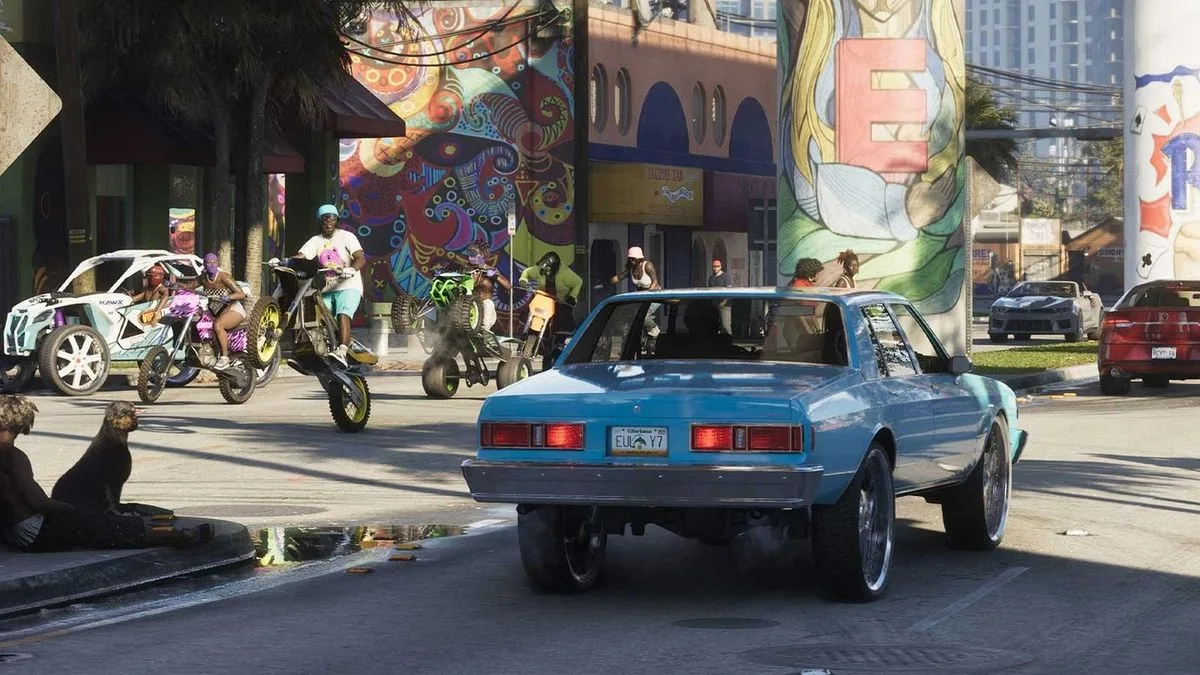
Speculating on the Crossover: What Could GTA 6 Borrow?
While Carr confirmed no specific features, his prediction and Rockstar's design trends allow for informed speculation. Guided by the "go nuts" philosophy for ambition and their history of iterative refinement, here’s how some of RDR2's most praised systems could be reimagined for the modern chaos of Vice City.
The Honor/Morality System:
RDR2's honor system dynamically affected Arthur Morgan's story, dialogue, and world reactions. A modern adaptation in GTA 6 could transcend simple "good vs. evil." It might function as a reputation or notoriety meter, influencing police response times and tactics, opening or closing story branches based on a player's chaotic or calculated approach, and changing how NPCs on the street react to the protagonist.
Dynamic Random Encounters:
RDR2's world felt alive because of its unscripted, systemic encounters—from ambushes to stranger missions. GTA 6 could elevate this beyond the scripted events of past games. Imagine a living city where your actions have ripple effects, leading to dynamic police chases initiated by witnesses, rival gangs reacting to your territorial incursions, or even paparazzi tracking a notorious player's movements.
Deep World Interactivity:
RDR2 set a new bar for environmental interaction, from detailed camp routines to tactile hunting and crafting. GTA 6 could translate this into a modern setting with enhanced NPC daily cycles, more interactive interiors, and a physicality to the world that makes Vice City feel like a place that exists beyond the player's direct actions.
These are speculations, not leaks, but they are grounded in the iterative design philosophy Carr described. The goal wouldn't be to copy RDR2, but to adapt its systemic depth to fit the pace, tone, and complexity of a contemporary Grand Theft Auto.
Engine and Scope: Rebuilding for a New Generation
Any discussion of advanced new features inevitably leads to the technology that powers them. Carr made another critical technical observation: Rockstar has likely "rebuilt the entirety of the Rage Engine" for GTA 6.
This is a monumental undertaking. A ground-up rebuild of Rockstar's proprietary engine isn't just about prettier graphics; it's about enabling new paradigms of simulation. It would provide the necessary foundation to support the immense systemic complexity inherited from RDR2 within a dense, modern urban environment far more populous than the American frontier. This new engine could manage unprecedented levels of NPC density, advanced AI routines, deeper physics-based interactivity, and the seamless integration of interior and exterior spaces—all crucial for realizing the speculative features discussed above.
Rob Carr's insights paint a picture of a studio that masters evolution, not revolution. Grand Theft Auto 6 is unlikely to be a complete departure; instead, it will be the culmination of Rockstar's greatest hits, refined through their unique "go nuts" development philosophy and powered by a rebuilt engine. While the exact features remain a mystery, the legacy of Red Dead Redemption 2—a game celebrated for its immersive depth—seems destined to leave its mark on the streets of Vice City. The result promises a GTA experience that is both familiarly explosive and profoundly new in its detail, potentially setting a new benchmark for what a living, reactive open world can be.
Tags: Grand Theft Auto 6, Red Dead Redemption 2, Rockstar Games, Game Development, Video Game Analysis