How Players Are Redefining Mastery in Clair Obscur: Expedition 33 With No-Hit and No-Parry Challenges
A speculative look at how a demanding hybrid RPG could inspire its most dedicated players. What if a turn-based RPG demanded the reflexes of a character-action game? This is the compelling...

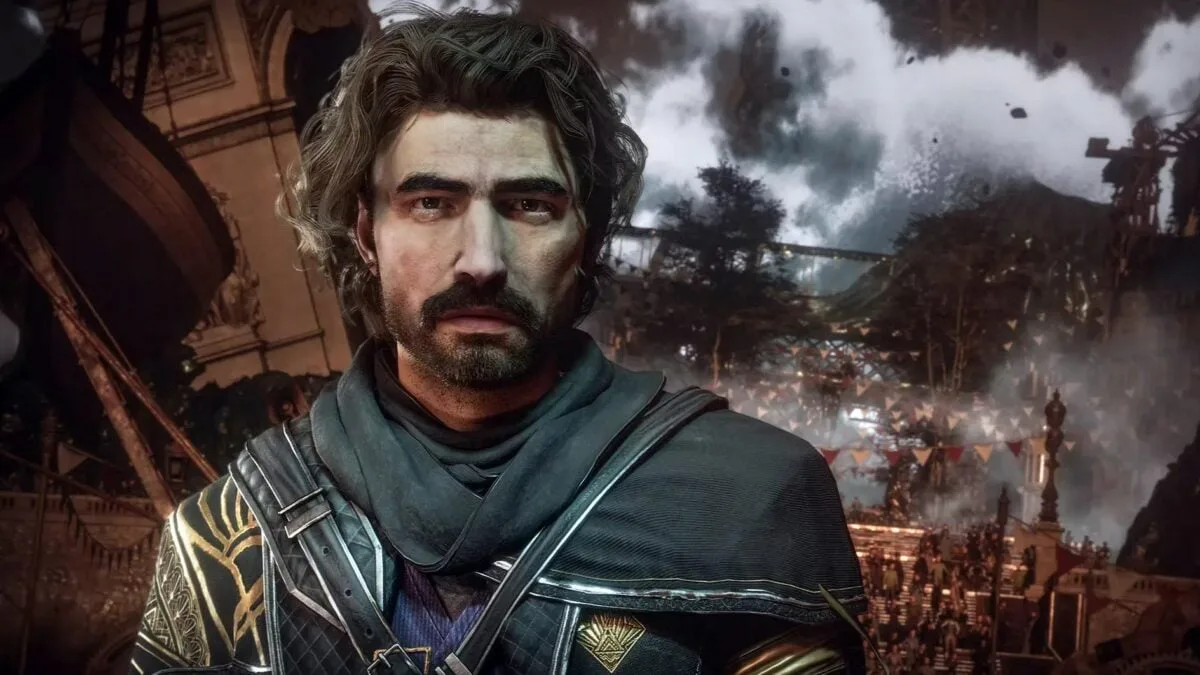
A speculative look at how a demanding hybrid RPG could inspire its most dedicated players.
What if a turn-based RPG demanded the reflexes of a character-action game? This is the compelling contradiction at the heart of Clair Obscur: Expedition 33. Its celebrated, pattern-based real-time defense system—where a mistimed dodge or parry can spell instant disaster—creates a fascinating tension with its strategic, turn-based core. This very design has the potential to birth a new frontier of player achievement. Imagine the community showcasing two astonishing, seemingly contradictory feats: a complete, damageless run of the entire campaign and a victory over its most notorious superboss by intentionally taking every hit. Such self-imposed challenges, which could even draw awe from the developers, would represent a story of player ingenuity dissecting and mastering a demanding game's systems, creating a new tier of accomplishment.
The Ultimate Test of Perfection: The Full Game No-Hit Run
For many players, simply surviving Expedition 33 would be an accomplishment. For a dedicated player, survival might not be enough. A monumental achievement to strive for would be a complete "no-hit" or damageless run of the entire game.
This would not be a simple exploit. The run would impose brutal constraints to maximize the challenge. Wherever the game's code allowed, a player might use only a single party member, deliberately forgoing the safety net of a full team. Only specific, hardcoded encounters that forced multiple characters would serve as exceptions. Every random encounter, every story boss, and every environmental hazard would have to be navigated with pixel-perfect precision.
The pinnacle of this challenge would likely be the final confrontation. A complex, multi-phase battle, demanding under normal circumstances, would become an exercise in flawless execution. Attack patterns—a mix of sweeping area-of-effect strikes and targeted, rapid assaults—would require not just reaction, but absolute memorization and predictive play. A single error across the entire journey would nullify the attempt. Such an achievement would stand as the ultimate testament to the game's core demand: mastering every enemy's tells and executing the perfect defensive response, every single time.
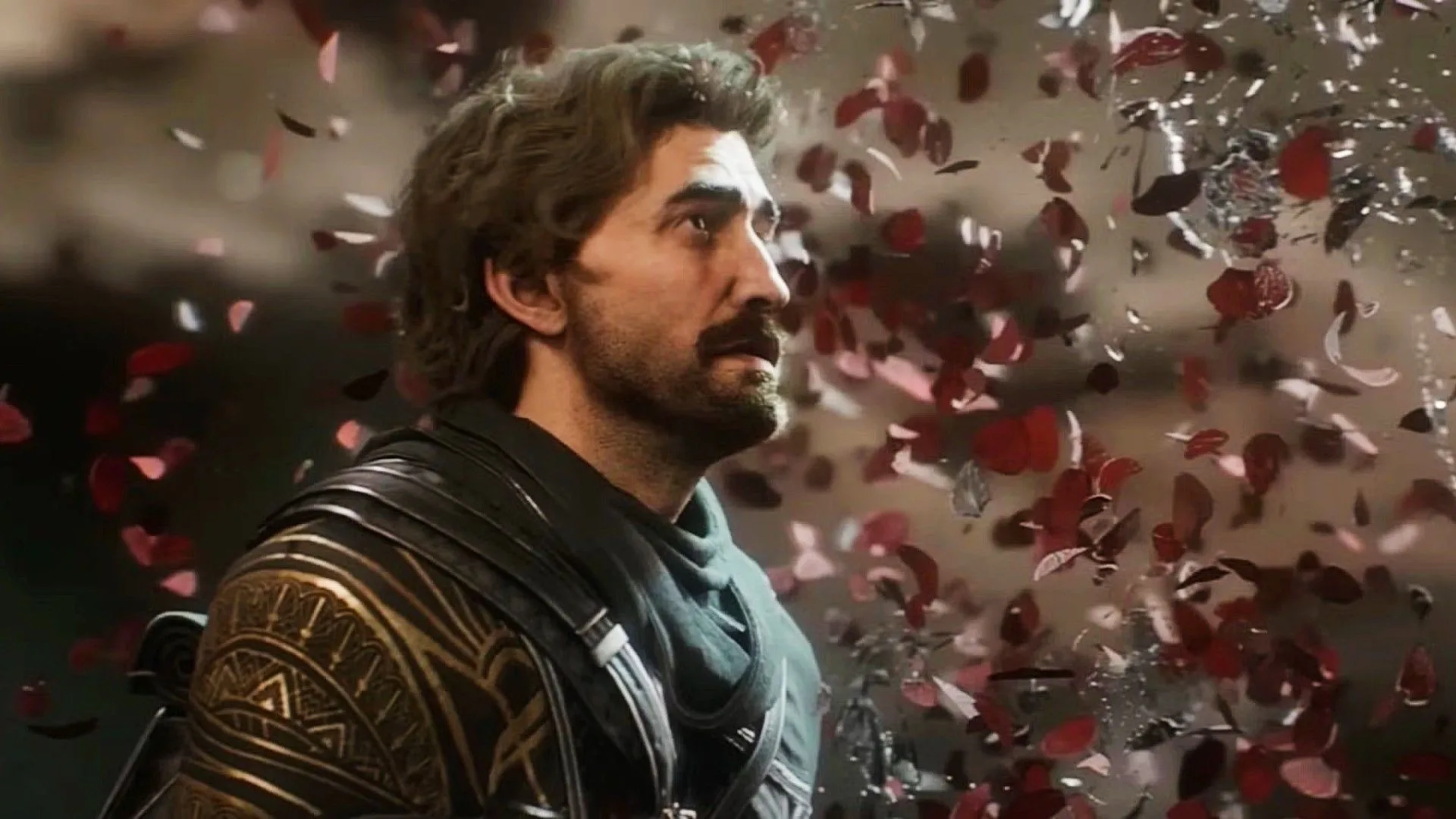
Flipping the Script: Beating the Superboss by Taking Every Hit
If the no-hit run represents the zenith of avoidance, another potential player accomplishment explores the opposite extreme: strategic endurance. This feat would center on a formidable optional post-game superboss, designed to dismantle conventional strategies with mechanics capable of wiping a party instantly.
The community's ingenious response could be to invent a new challenge: defeat this boss without parrying a single attack and while intentionally accepting the damage from every blow. This "no-parry, all-hit" victory would require a profound, almost paradoxical mastery. Winning would mean not avoiding the boss's mechanics, but building a party and executing a turn-based strategy so robust that it could withstand the full, unimpeded onslaught. It would be a victory earned through calculated endurance rather than perfect evasion.
The significance of such a feat would be powerfully underscored if acknowledged by the game's own creative director. A developer confirming the achievement and adding a personal note—that they themselves had been unable to complete the same challenge—would be a remarkable moment. It would mean a player had not just beaten a boss; they had mastered the underlying RPG systems to such a degree that they could win on terms the creators found formidable. This context also provides a natural place to consider how post-launch support, like balance patches that might adjust such a boss's difficulty, creates an evolving timeline of community benchmarks.
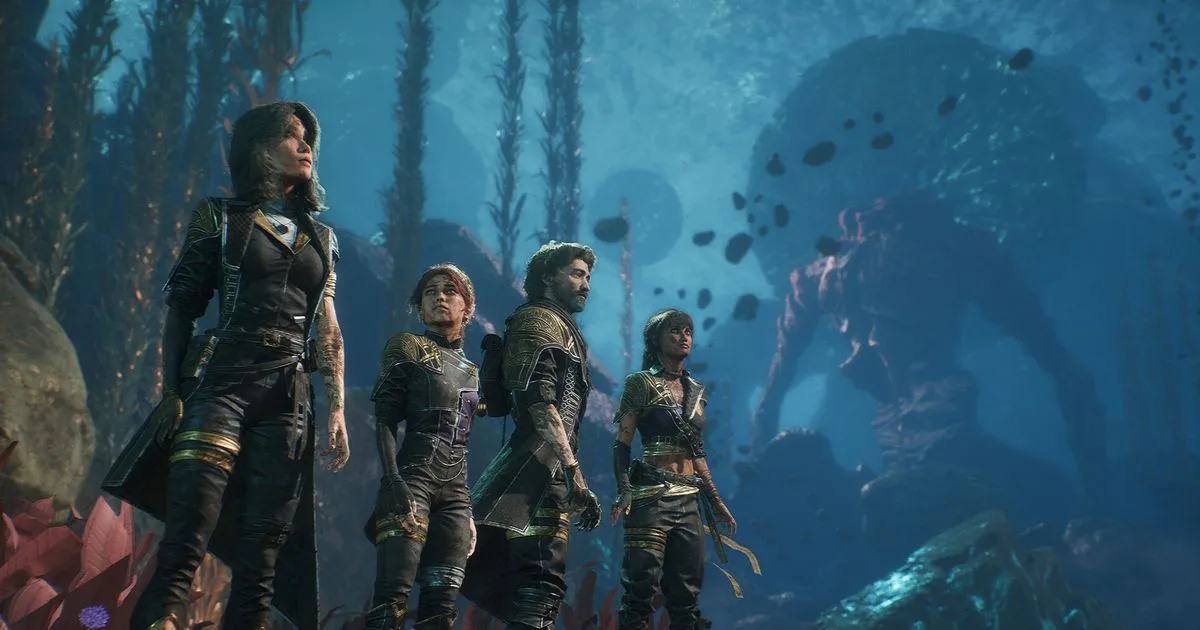
The Design That Invites the Challenge: Expedition 33's Punishing Core
These extreme accomplishments would not emerge in a vacuum. They would be the direct result of Clair Obscur: Expedition 33's innovative and demanding hybrid design. The game seamlessly fuses deep, turn-based RPG strategy—with character builds, skill synergies, and resource management—with moment-to-moment, real-time defensive actions. Success hinges on a dual-layer mastery: planning your party's offensive turns while simultaneously having the reflexes and knowledge to perfectly dodge or parry incoming attacks.
This core loop, which requires meticulous pattern memorization for dozens of enemies, naturally cultivates a perfectionist mindset. Once a player has learned to survive an attack, the next logical step for the dedicated is to learn how to never be touched by it. The game's potential for critical and commercial success would create a massive, deeply engaged player base eager to explore every nuance of its systems, setting the stage for these high-level community pursuits.
The Community and Developer Dialogue
Feats like a hypothetical no-hit run and a no-parry superboss victory represent the pinnacle of community-driven engagement. They are a form of high-level content creation that extends a game's lifespan and discourse far beyond its scripted content. When developers publicly acknowledge and express admiration for such accomplishments, it validates the players' efforts and reinforces a collaborative spirit. It signals that the developers built a system with such depth and integrity that players can use it in ways that surprise even its creators.
This raises a compelling question: do these self-imposed, ultra-difficult challenges represent the "true" endgame for a title like Expedition 33? For a significant segment of any dedicated community, the answer is often yes. The journey no longer ends with the final story boss; it evolves into mastering the game's architecture itself. This reflects a broader trend in modern gaming culture, where dissecting a game's mechanics, pushing them to their absolute limits, and sharing that knowledge is a celebrated pursuit parallel to the act of completion.
The story of Clair Obscur: Expedition 33 will be about more than its narrative or design. It will also be about how its players take that design and forge new legends within it. The contrasting philosophies of a no-hit run—absolute, flawless avoidance—and a no-parry victory—controlled, strategic endurance—would demonstrate the remarkable depth and flexibility of the game's combat system. They prove that true mastery can be defined in multiple, equally valid ways. Through ingenuity and dedication, a community can transform a critically acclaimed RPG into a dynamic playground for the most dedicated tacticians, continually redefining what it means to conquer a game.