How Fortnite's Star Wars Creator Update is Revolutionizing the Franchise's Gaming Future
From Limited Events to a Permanent Universe Fortnite’s relationship with Star Wars is not new. Since 2019, the battle royale has hosted temporary crossovers: limited-time modes, purchasable skins,...

From Limited Events to a Permanent Universe
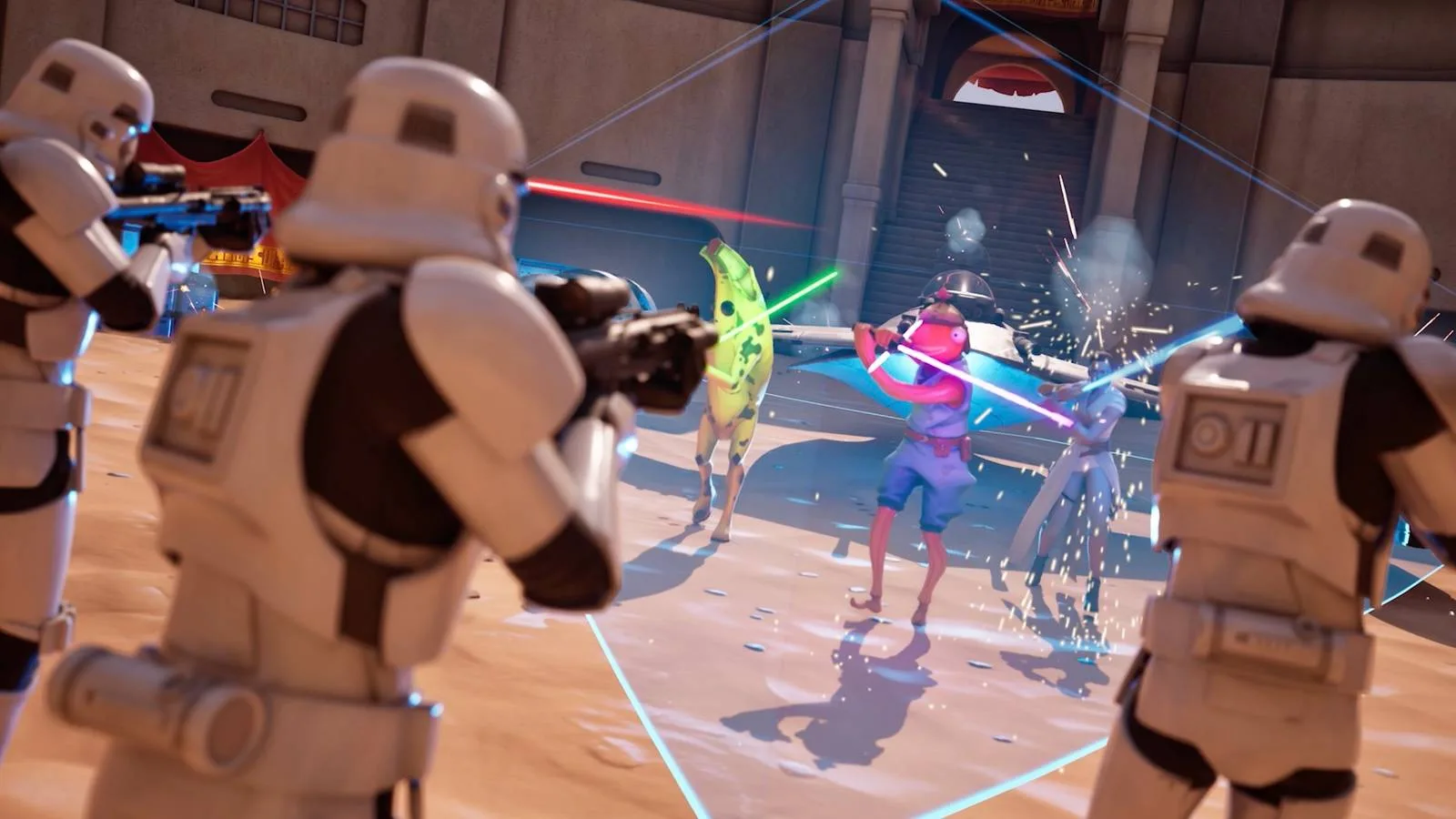
Fortnite’s relationship with Star Wars is not new. Since 2019, the battle royale has hosted temporary crossovers: limited-time modes, purchasable skins, and fleeting in-game events. These were marketing triumphs, brilliant flashes of synergy that disappeared as quickly as they arrived. The March 2026 UEFN update represents a strategic evolution from these "marketing stunts" to building what Epic and Disney have termed a "persistent universe."
This shift is powered by the foundational $1.5 billion investment Disney made in Epic Games in 2024, a partnership explicitly aimed at creating a lasting digital home for Disney's brands. The result is a transition from Epic and Disney as sole content gatekeepers to them becoming platform providers. As Epic stated, this toolkit combines seven years of Star Wars Fortnite content into one permanent, accessible suite. The era of temporary access is over; we have entered the age of the permanent, creator-driven Star Wars sandbox.
Inside the Galactic Toolbox: What Creators Actually Get
So, what exactly did millions of creators wake up to on March 19? The scale is unprecedented for a licensed property of this magnitude. The free asset library is a fan's dream, including:
- Character Models: From classic heroes like Luke Skywalker to modern icons like Din Djarin (The Mandalorian).
- Iconic Vehicles: Flyable X-Wings and TIE Fighters, ready for dogfight simulators.
- Planet Kits: Pre-built environmental assets from Hoth, Tatooine, and Endor to construct authentic locations.
However, the true game-changers are the systems. Creators now have tools to build custom lightsabers and, more importantly, programmable Force powers. These aren't just visual effects; they are mechanics like Force Healing and Protective Barriers that can be integrated into unique gameplay loops. Coupled with a new conversation system for branching NPC dialogue, the toolkit suddenly enables the creation of genuine, narrative-driven Star Wars RPGs—a genre fans have longed for.
To showcase this potential, Epic and Disney launched three "exemplar" islands: Hoth, Tatooine, and Nevarro. These are not just asset showcases but fully playable proof-of-concept experiences, demonstrating everything from atmospheric exploration to structured combat, serving as a direct inspiration for the community.
The New Star Wars Game Factory: Community and Economy
This initiative is more than a creative playground; it's a fully-fledged economic engine. Fortnite will feature a dedicated discovery section for Star Wars islands, creating a centralized hub akin to a community-run Star Wars gaming platform. Here, the revolutionary creator economy takes center stage.
Map makers will be paid via Fortnite’s Engagement Payments model, earning revenue based on how many players visit and spend time in their experiences. Critically, Disney will receive a 20% share of this revenue, formalizing a new business model for IP licensing in user-generated content. This incentivizes a potential explosion of content types to fill the notorious "content gap" between major AAA Star Wars releases. Imagine a thriving ecosystem within Fortnite featuring:
- Competitive starfighter dogfighting sims.
- Classic Star Wars side-scrollers in the style of The Force Unleashed.
- Narrative RPGs set on iconic planets.
- Social hangout spaces and party games.
The community itself becomes the game factory, iterating at a speed impossible for traditional studios.
Strategic Implications and Future Horizons
The implications of this model extend far beyond Fortnite. It challenges the traditional licensed game development cycle of multi-year, high-risk, high-cost projects. Instead, it offers a platform for rapid iteration and community-driven trend discovery. It lets the community vote with their playtime, instantly showing what kinds of Star Wars stories and gameplay they crave.
It’s important to note what’s not here yet. The update does not include the advanced AI narrative technology Epic previously demonstrated with a dynamic Darth Vader. Furthermore, while creation began on March 19, creators cannot publish their islands until May 1, 2026, with more functionality like first-person shooting support promised by then.
This rollout opens forward-looking questions for the entire industry. Could a massively successful UEFN Star Wars mode evolve into a standalone experience? Does this "persistent universe" model, with its built-in economy and distribution, set a new precedent for how other major franchises like Marvel or DC could operate? Epic and Disney are writing a new playbook for IP in the gaming age.
The Fortnite Star Wars creator update is more than a content drop. It is a fundamental reimagining of who gets to build and define a beloved universe. The future of Star Wars gaming is no longer dictated solely by boardroom decisions and five-year development cycles. A significant part of that future will now be written by the creativity of players, unfolding in real-time within the most popular game platform on Earth. The Force, it seems, is now with the community. The next great Star Wars game might not be announced at a showcase—it might just go live in Fortnite.