How Dead by Daylight Defied the Odds: The Live-Service Success That Started as a "Fire-and-Forget" Game
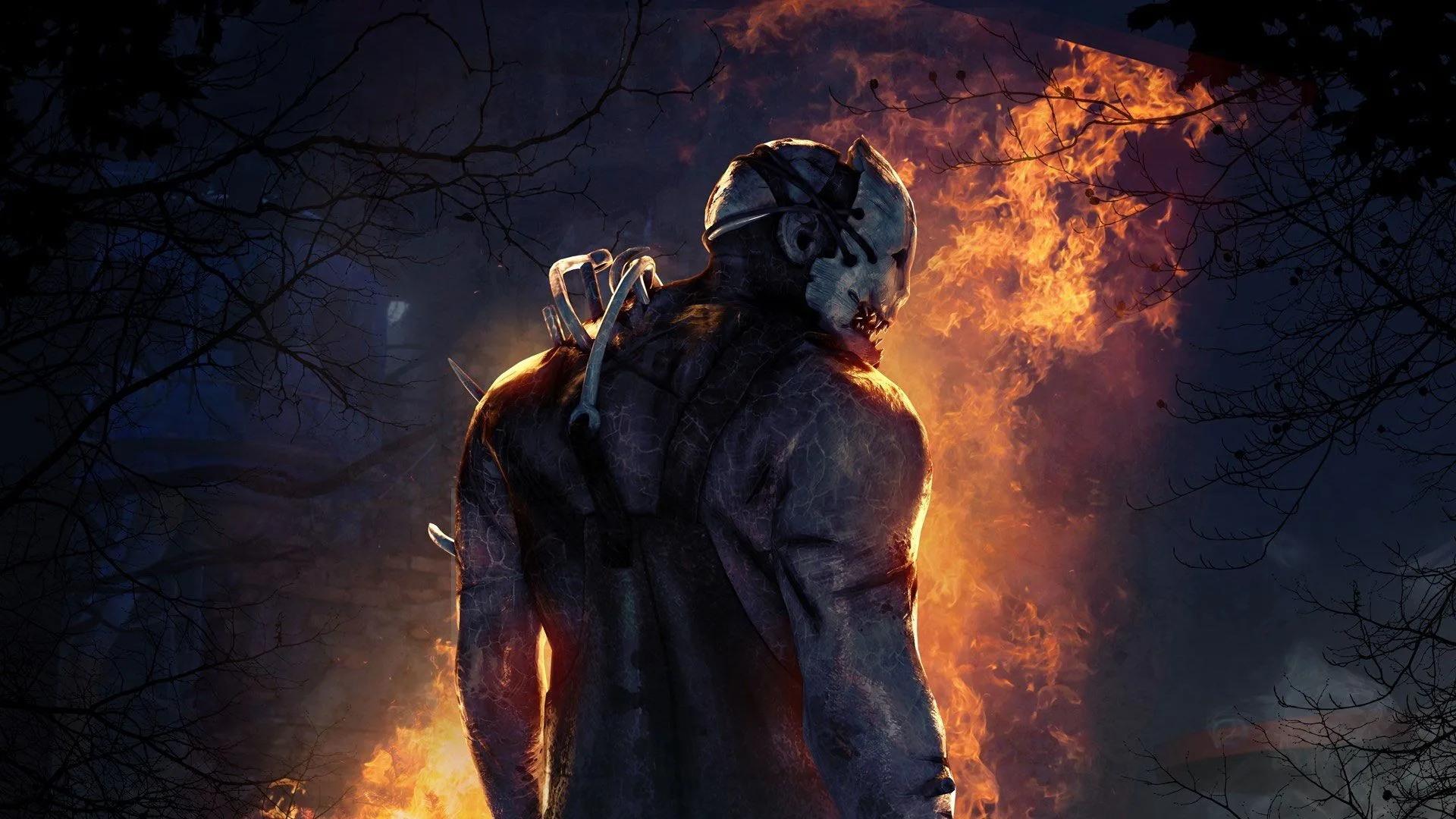
An Accidental Foundation: From "Jelly Wars" to a Genre Leader The DNA of Dead by Daylight ’s iconic 1-vs-4 gameplay wasn’t born in a boardroom planning session, but in a playful experiment. The core...

An Accidental Foundation: From "Jelly Wars" to a Genre Leader
The DNA of Dead by Daylight’s iconic 1-vs-4 gameplay wasn’t born in a boardroom planning session, but in a playful experiment. The core concept originated in "Jelly Wars," a scrapped multiplayer mode for Behaviour’s Naughty Bear. This prototype of asymmetric gameplay—where one powerful player hunts several weaker ones—proved so compelling it sparked the idea for a standalone title.
When Dead by Daylight launched in June 2016, it was, by the studio’s own admission, a "rough affair" and a "shell" of the game it is today. Built with a modest budget and a team of around 30, it was conceived as a "fire-and-forget" project. The infrastructure was basic, featuring a peer-to-peer (P2P) system, meaning players connected directly to each other rather than to central servers, and there was no in-game store. The plan was simple: release the game, then have the core team return to the studio’s primary business of client work for other publishers. Initial mock reviews forecast a lifetime sales ceiling of just 300,000 units.
Those forecasts were obliterated in 72 hours. The game hit its 300,000 sales target within its first three days on the market. "The plan changed within the first few days," the developers have stated. The player response was immediate and overwhelming, forcing a complete strategic pivot. The "forget" part of the plan was abandoned; the live-service journey had begun by accident, powered entirely by the strength of that addictive, genre-defining core loop.
The Organic Live-Service Model: Building the Plane While Flying It
Unlike modern live-service launches, Dead by Daylight’s supporting features were not part of a grand design but a gradual, player-driven evolution. There was no cosmetic store at launch; it was added in Year 3. The now-commonplace battle pass, the Rift, didn’t arrive until Year 4. The studio built the live-service infrastructure while the game was already in flight, responding to what the community wanted and what would sustain a growing ecosystem.
This approach crystallized into a clear live-service ethos: maintain a low barrier to entry. This principle is foundational to Dead by Daylight’s update strategy. All new maps are released for free, ensuring the core gameplay environment expands for everyone. When a new Killer or Survivor is added, all players in a match interact with them; you only need to pay to play as that character. This keeps the meta fresh and the community unified, preventing the player base from fragmenting behind paywalls.
A decade in, the focus has shifted from just adding content to refining the experience. The developers note that the game has become "dense," leading to a current priority on quality-of-life improvements and accessibility features. These updates are crucial for onboarding new players into a rich, complex world that has been built piece by piece over ten years.
Sustaining a Decade: Community, Culture, and Cautious Growth
When asked about the key to longevity, the Behaviour team points to several factors: creating a "familiar place" and a strong community, hitting the "right format at the right moment," having the right team, and "a whole heaping pile of luck." They also cite a revealing industry statistic: "40 to 50% of the hours spent gaming are spent on games that are four plus years old." Dead by Daylight has become a prime example of this enduring engagement, a digital hangout where rituals of chase, survival, and community have formed.
The studio itself has transformed alongside its flagship title. Behaviour Interactive has grown from approximately 275 employees at the game’s inception to around 1,300 across five studios today. The team dedicated to Dead by Daylight has exploded from the initial 30 to roughly 400 people. Notably, despite this success, the company’s leadership is quick to state that co-development work-for-hire remains the financial "backbone" and "bread and butter" of the business. DbD is the breakout star, but it exists within a broader, more stable corporate ecosystem.
Ruling Out a Sequel and Building a Permanent World
In an era of sequels and remakes, Behaviour Interactive has made a definitive and player-focused declaration: there will be no Dead by Daylight 2. The developers have stated a full sequel or remake "wouldn't make sense for the fans" who have invested years and money into their accounts, cosmetics, and progression. Instead, the philosophy is to indefinitely update the original game, constantly polishing and adding to it to keep the experience feeling "current."
The goal is ambitious: to bring Dead by Daylight "kicking and screaming into the next decade" and support it for "another ten years at least." This commitment requires a cautious approach to technology. The team consistently weighs major upgrades against a critical question: "Who are we leaving behind?" The priority is to evolve without alienating the existing community that built the game’s success.
The vision now extends beyond the game itself. Behaviour is executing a transmedia strategy to cement Dead by Daylight as a permanent pop culture fixture. A film is in development with Blumhouse, and comic books expand the lore. The universe is already spawning spin-offs like the dating sim Hooked on You and the upcoming narrative-driven horror game The Casting of Frank Stone. The "Realm" of Dead by Daylight is becoming a franchise.
The story of Dead by Daylight is a powerful lesson in an industry often preoccupied with monetization-first design. Behaviour Interactive’s journey proves that sustainable, decade-long live-service success can be built from a foundation of a compelling, well-executed core game. The infrastructure, the store, the battle passes—all of that came later, organically shaped by overwhelming player demand. In an age where "live-service" is often a pre-launch bullet point on a feature list, Dead by Daylight stands as a testament to a different path. As the game prepares for its second decade, its journey stands as a potent reminder: sometimes, the most enduring worlds are built not from a business plan, but from a game so good that players demand it live forever.