How Bungie Resolved an Art Controversy: From Uncredited Use to Official Credit in Marathon
In May 2025, independent artist Fern "4nt1r34l" Hook made a discovery that is every digital creator's nightmare. While browsing footage from the highly anticipated alpha test for Bungie’s Marathon ,...

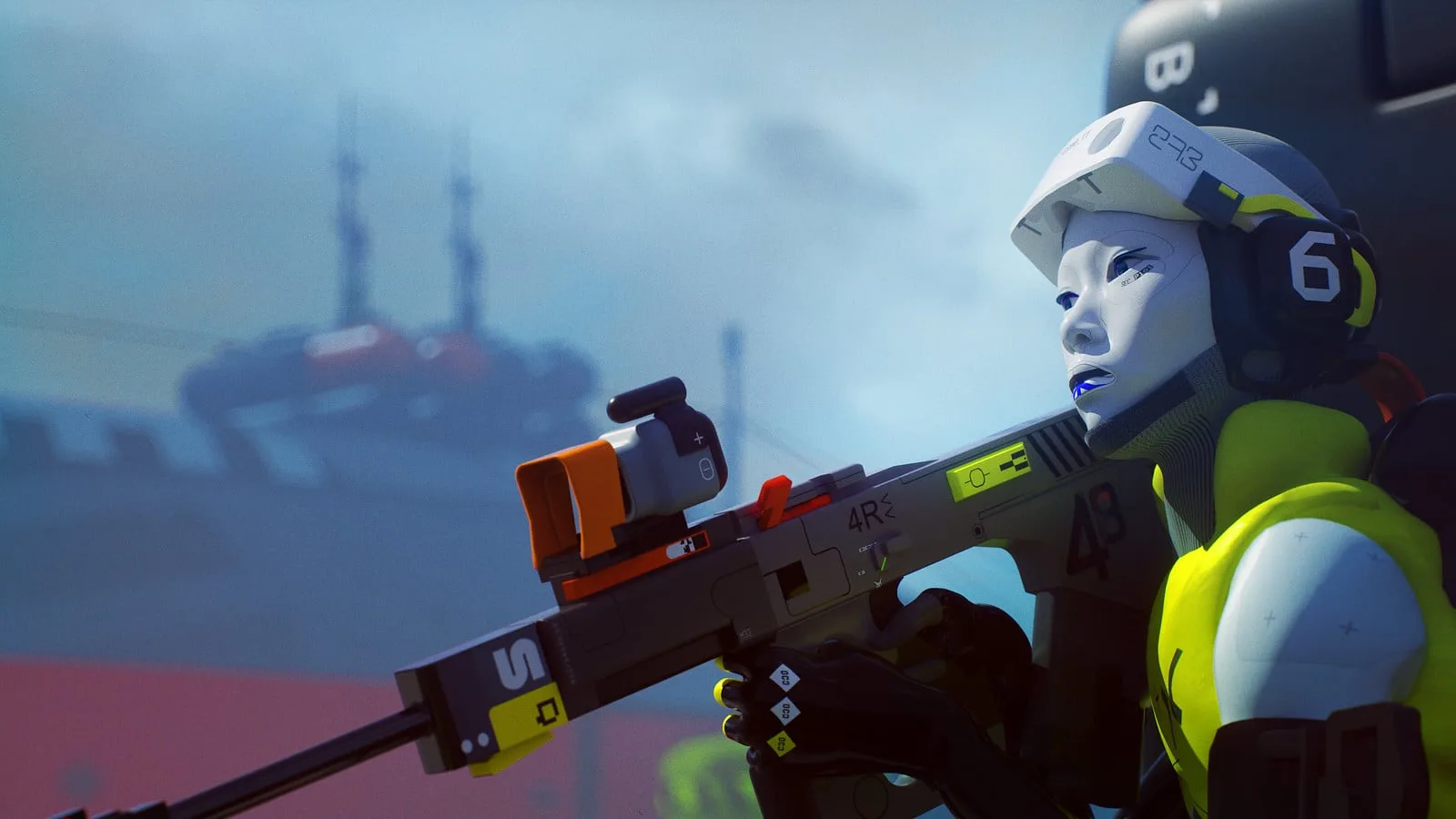
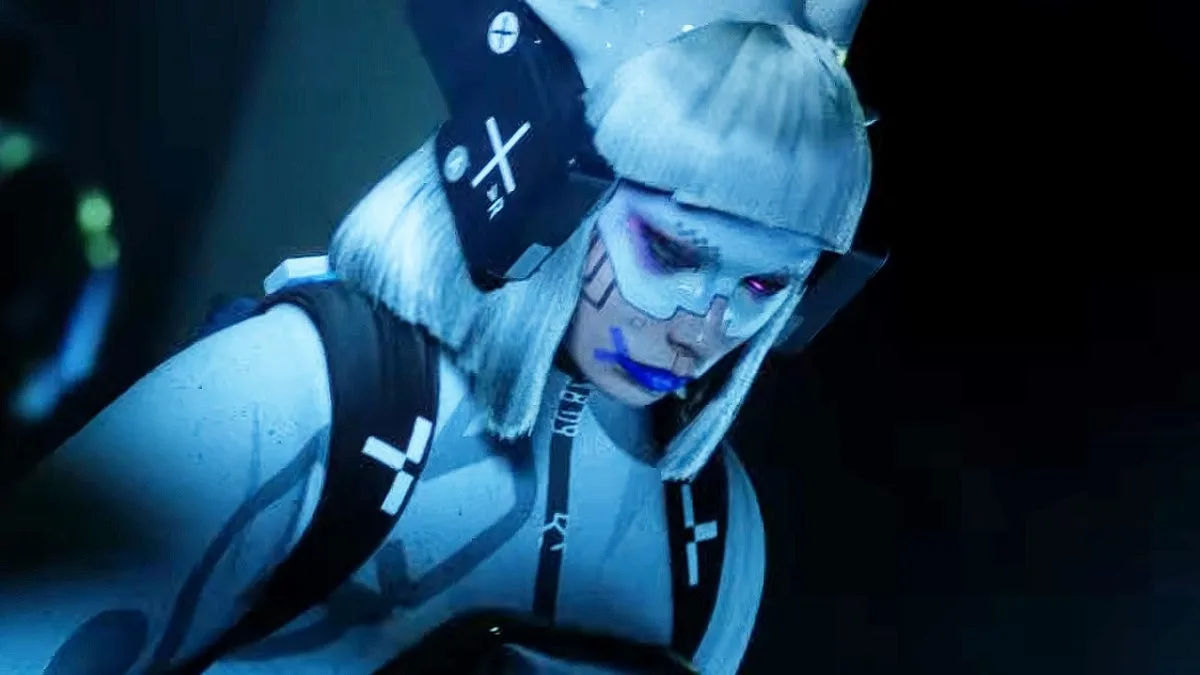
In May 2025, independent artist Fern "4nt1r34l" Hook made a discovery that is every digital creator's nightmare. While browsing footage from the highly anticipated alpha test for Bungie’s Marathon, she spotted her own artwork—assets she had never licensed or given permission to use—embedded in the game of a multi-billion dollar studio. What followed was a public accusation, a swift corporate response, and a months-long journey that would culminate not in a bitter legal feud, but in her name appearing in the game’s credits. This is the story of how a major studio navigated a modern creative dispute, transforming a potential scandal into a case study in accountability. This story also unfolded alongside a separate, internal debate about the game's bold artistic vision, together defining the challenges Bungie faced ahead of launch.
The Accusation and Bungie's Initial Response
Fern Hook’s public statement was direct and damning. She presented evidence that specific art assets she created had been integrated into the Marathon alpha build without her consent, knowledge, or compensation. For an independent artist, such an act by a studio of Bungie’s stature represents a significant violation of intellectual property and creative labor.
Bungie’s response was notably swift. The studio launched an immediate internal investigation and, within days, confirmed the allegations were true. In a public statement, Bungie did not obfuscate or offer vague corporate platitudes. They pinpointed the cause, attributing the unauthorized use to the actions of a former staff member who had taken Hook’s art and included it in a texture sheet used during development. More importantly, they outlined a clear path forward: a pledge to "do right" by Hook, a full review to identify and remove any other improperly sourced assets, and a commitment to implementing stricter vetting processes for all future artist contributions. This transparent acknowledgment set the tone for everything that followed.
The Path to Resolution
The timeline from public dispute to private settlement spanned several months, a period watched closely by an industry all too familiar with protracted legal battles over assets. The resolution arrived by December 2025, not through a court filing, but through a social media post from Hook herself. She stated that the matter had been settled with both Bungie and its parent company, Sony Interactive Entertainment, to her satisfaction. The details of the settlement remained confidential, as is standard, but the public, amicable closure was itself a significant outcome.
This direct resolution between an individual artist and a gaming giant like Sony-Bungie is noteworthy. It circumvented the adversarial, often siloed nature of such disputes, suggesting a preference for direct dialogue and restitution over legal posturing. For the community, it served as a rare, positive signal that large studios could be held accountable and choose to make things right.
The Outcome: Credit and Continued Design Philosophy
The most public-facing result of this resolution arrived with Marathon’s official release on March 5, 2026. In the game’s credits, Fern Hook is listed with the title "Visual Design Consultant." This credit formalizes the reconciliation and grants her a permanent, acknowledged place in the game’s history. However, it also introduces a layer of ambiguity. The credit does not specify the scope of her contribution—whether it was a one-time consultation related to the settlement, an ongoing advisory role, or involved new creative work. This intentional vagueness protects the private terms of the agreement while still fulfilling the public act of recognition.
Parallel to this narrative of external reconciliation was Bungie's response to internal creative feedback. Separately, UI designer Elliot Gray addressed player critiques of Marathon’s bold, multi-font user interface, which had drawn some criticism during testing. In statements reported by outlets like Eurogamer, Gray was clear that the team’s distinctive visual style was a core philosophy that would be refined—not removed—in response to feedback on functionality and navigation. This underscored a dual reality for Marathon: navigating external ethical concerns while steadfastly maintaining its own contentious creative direction.
Analysis: A Model for Handling Creative Disputes?
The handling of the Fern Hook incident presents a potential blueprint for resolving asset disputes in a modern, community-aware development environment. The process followed a clear, commendable chain: 1) Investigation (swift and internal), 2) Acknowledgment (public and specific, without deflecting blame), 3) Correction (removing assets and changing processes), and 4) Formal Reconciliation (through confidential settlement and public credit).
This approach stands in contrast to historical industry patterns, which have ranged from silent removal of assets hoping no one notices, to drawn-out and damaging legal battles. However, it is important to ground this "model" in the specifics of the case. Its feasibility here was likely due to a clear, provable infringement involving direct asset use and a willing artist seeking resolution. It contrasts with more complex disputes, such as those involving inspired designs versus direct copying, or negotiations with estates, where a clean four-step process may be less applicable. This incident connects directly to broader, ongoing conversations about artist rights, proper attribution in the digital age, and developer transparency. In an era where communities can instantly surface discrepancies, a proactive and honorable response may ultimately be the most pragmatic.
The arc from controversy to credit is a positive, if instructive, chapter for the games industry. It reinforces the non-negotiable importance of ethical sourcing and robust internal vetting processes, especially for studios operating at Bungie’s scale. Simultaneously, the concurrent story of the UI philosophy highlights the value of a developer’s clear vision, demonstrating that navigating community feedback does not require abandoning a distinctive artistic identity. As Marathon launched into the competitive landscape of live-service shooters, its journey was uniquely shaped by both this resolved conflict with an individual artist and its unwavering commitment to a specific, debated aesthetic—proving that a game’s development is often defined by how it handles challenges both within and beyond its code.