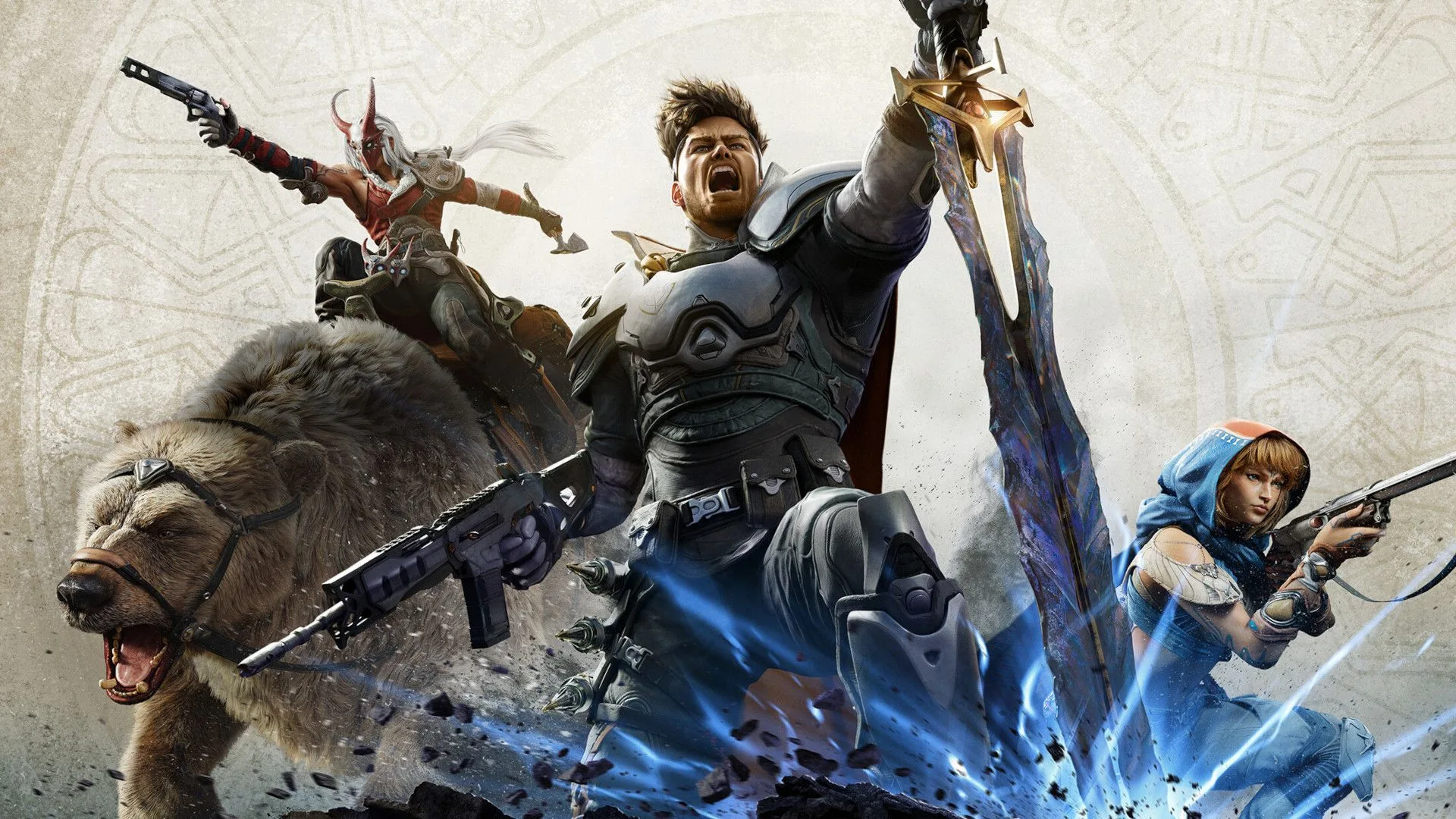
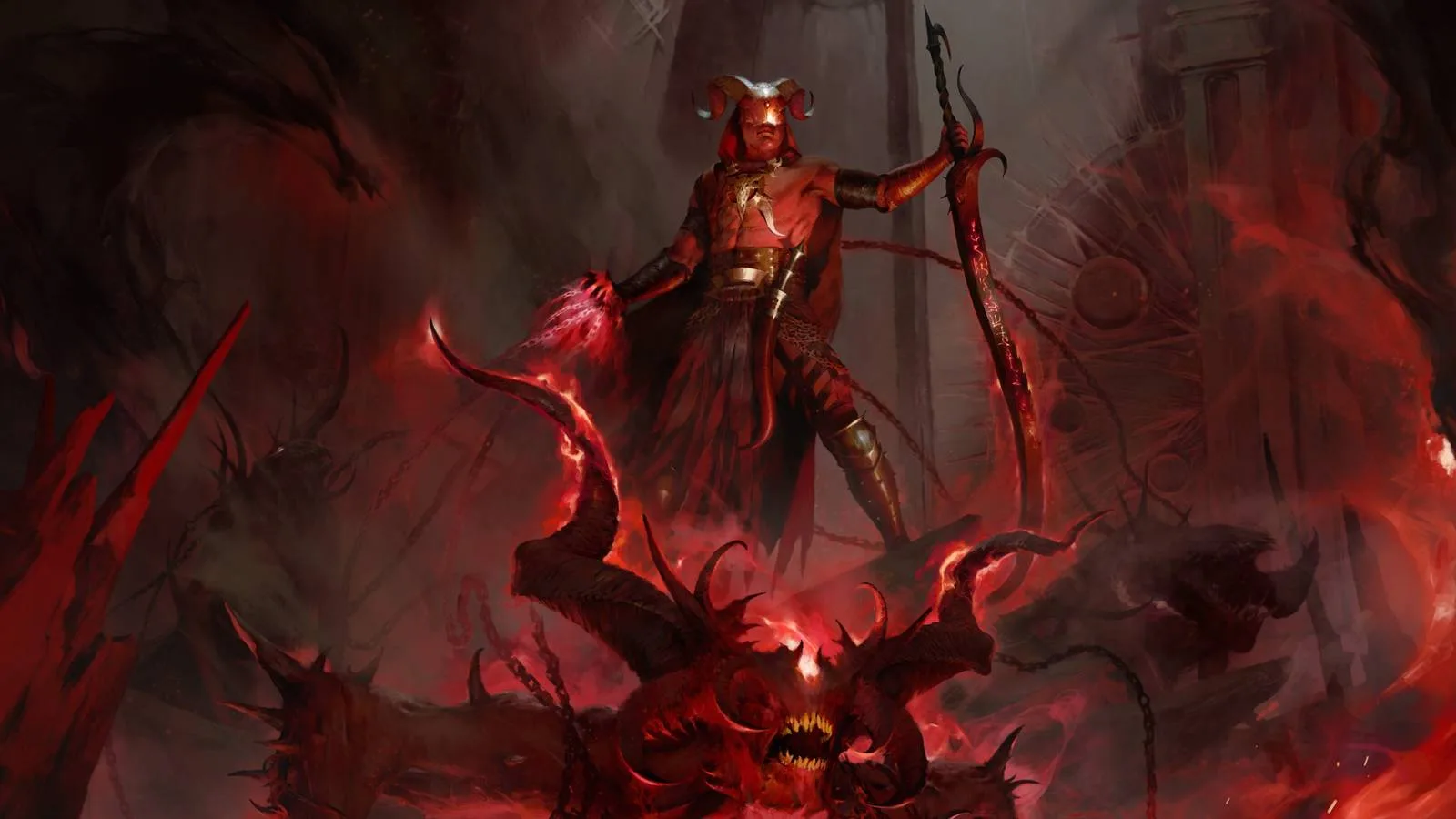
Highguard's Sudden Staff Exodus: What Went Wrong for the New Raid Shooter?
A Meteoric Rise and Faster Fall Highguard entered the public consciousness with a high-profile reveal at The Game Awards in December 2025. Despite the prime spotlight, it was met with a wave of...

A Meteoric Rise and Faster Fall
Highguard entered the public consciousness with a high-profile reveal at The Game Awards in December 2025. Despite the prime spotlight, it was met with a wave of online skepticism, a common hurdle for new IPs in the crowded hero-shooter genre. This initial doubt made its launch numbers all the more surprising. On day one, Highguard peaked at an impressive 97,249 concurrent players on Steam, suggesting it had successfully captured the gaming community's curiosity.
However, the descent was precipitous. By mid-February, concurrent player counts had collapsed. Data showed a 24-hour peak of just 3,822 players, plummeting the title outside of Steam’s top 200 most-played games. This steep drop-off was mirrored in its critical reception, which settled into a consensus of "lukewarm." The game, it seemed, failed to convert launch-day curiosity into lasting engagement, a critical misstep in the free-to-play landscape where player retention is the ultimate currency.
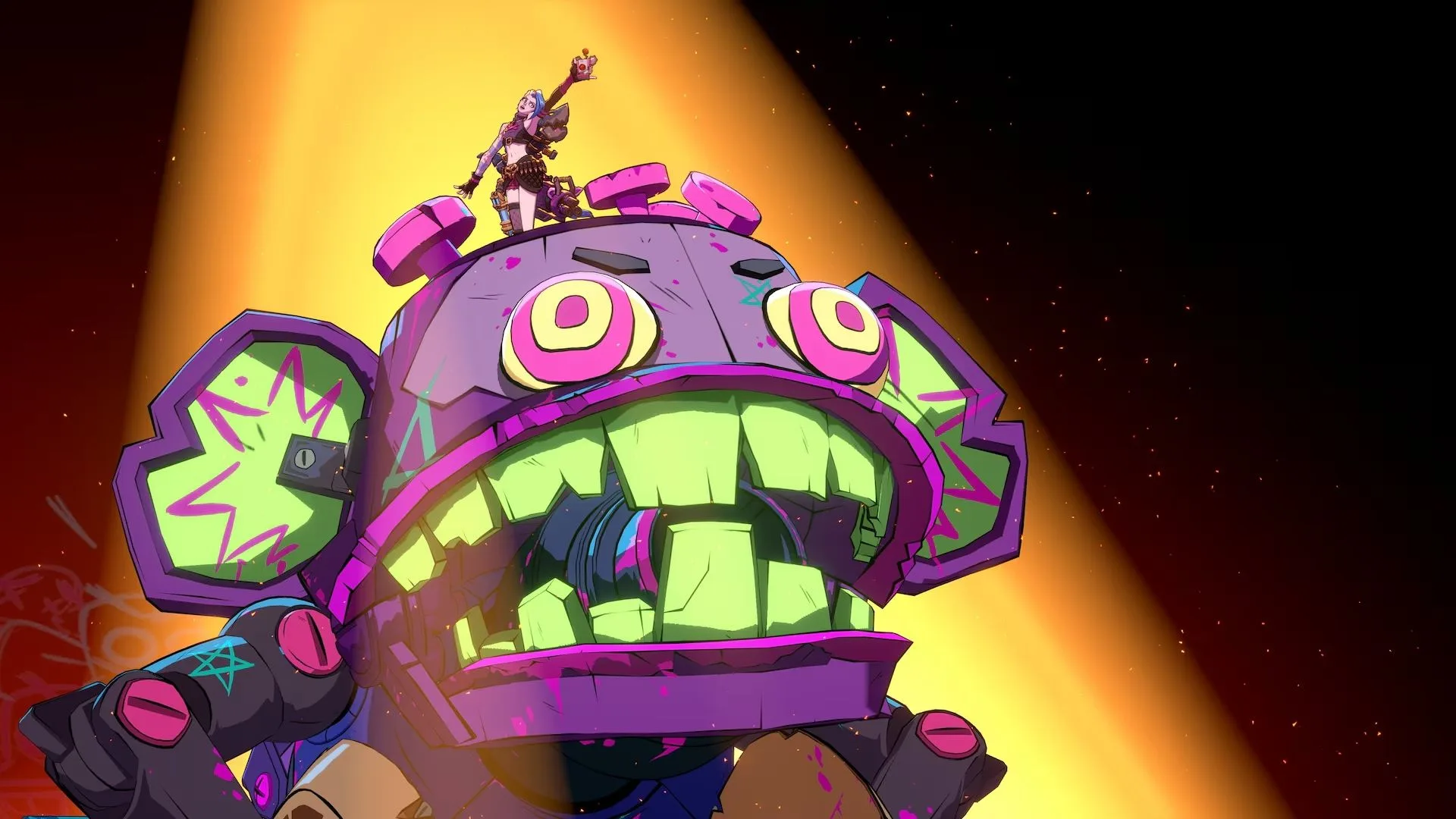
The Sudden Silence: Inside the Wildlight Layoffs
The first indications of trouble came not from an official press release, but from the social media accounts of former employees. Level designer Alex Graner confirmed the layoffs, stating that "most" of the staff had been affected. His post was echoed by other developers across roles including Senior Software Engineers, Environment Artists, and Lead Tech Artists, painting a picture of a wide-ranging reduction that touched nearly every department.
This stood in stark contrast to the studio’s official, carefully worded statement. Wildlight Entertainment acknowledged parting ways with "a number of team members" but emphasized it had retained a "core group" to continue supporting and innovating on Highguard. The studio expressed pride in the game and gratitude to its players, but the immediate, glaring question became: how can a "core group" execute on the ambitious live-service promises made just weeks prior? The human cost of the pivot was immediate and severe, casting a long shadow over the game’s future.
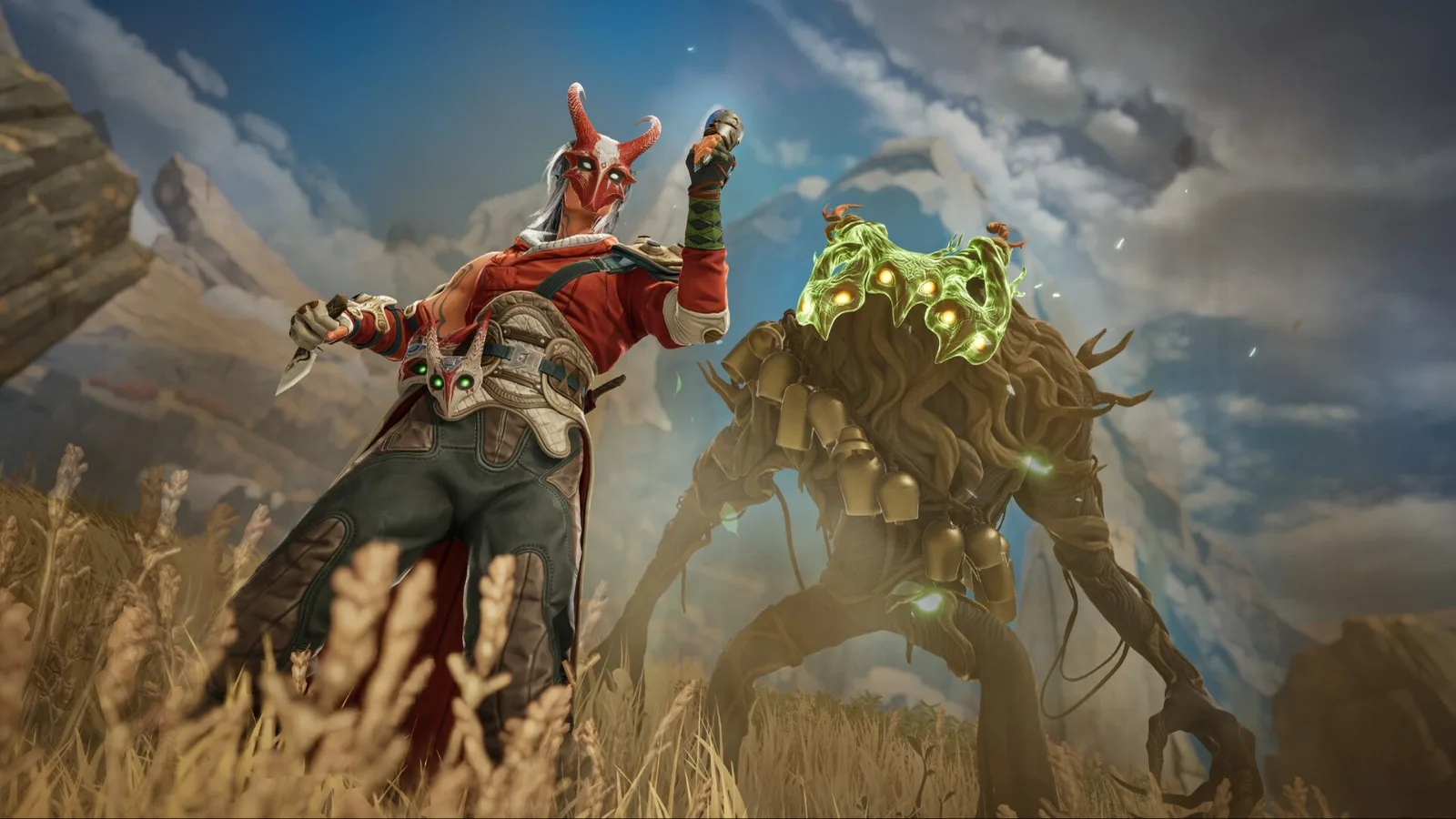
Reactive Development and a Broken Roadmap
The period between launch and layoffs was marked by visible panic and reactive development. A primary criticism at launch targeted the game’s core 3v3 team size. In direct response, Wildlight scrambled to add a 5v5 mode within the first week—a significant design shift that signaled a foundational element of the game was not resonating as planned. This knee-jerk change, while addressing feedback, likely undermined player confidence in the game's core vision and signaled a development team in crisis mode rather than one executing a confident plan. It created a perception of instability from which the game never recovered.
This reactive stance makes the announced 2026 content roadmap now seem particularly precarious. On launch day, the studio had proudly outlined plans for new Vanguards (characters), maps, and weapons, structured into episodic content drops. The layoffs struck before the first of these planned ‘Episodes’ could even be completed, throwing the entire schedule into jeopardy.
The situation adds a layer of tragic irony to a pre-launch quote from studio head Chad Grenier. He stated the team was focused on making a game "loved by its player base" rather than being driven by player counts. The rapid corporate decision to cut "most" of that very team mere days after player counts nosedived suggests that, in the end, the metrics spoke louder than any philosophy.
A Broader Pattern: The Live-Service Shakeout
While Highguard’s case is severe, it is not an isolated incident. It reflects a chilling new pattern in the high-stakes free-to-play arena. Just weeks earlier, Riot Games laid off approximately 80 staff members—roughly half the team—from its fighting game 2XKO shortly after its 1.0 console launch in January 2026.
The parallel is instructive. 2XKO’s executive producer, Tom Cannon, stated the game’s "momentum hadn’t reached a level where we can support the full team," but confirmed development would continue. Crucially, 2XKO was reportedly one of the most-downloaded free-to-play titles during its launch month, outperforming not only Highguard but also competitors like Marvel Rivals. If a top-performing new release still necessitates immediate, drastic "right-sizing," it points to an industry-wide truth: the live-service model has become a winner-take-most battlefield where even moderate success may not be enough to justify a full development team. Studios are now prepared to make aggressive, immediate cuts at the first sign that a game’s trajectory won’t support its overhead.
Highguard's story is less a mystery and more a case study in a new industry standard. It demonstrates that in today's winner-take-most live-service arena, even a decent launch is no longer a guarantee of security. The immediate, drastic cuts at Wildlight—mirrored at Riot Games—suggest a paradigm where player retention metrics now trigger corporate triage within weeks, not seasons. The promises of a rich live-service future are becoming untenable for all but the most explosive hits, leaving games like Highguard in a precarious limbo and their developers as the most disposable cost.