Highguard's Shutdown: Why a High-Profile Hero Shooter Lasted Only 45 Days
The reveal was cinematic, the pedigree was impeccable, and the initial player count was in the millions. When Highguard stormed onto screens during The Game Awards in late 2025, it seemed poised to...

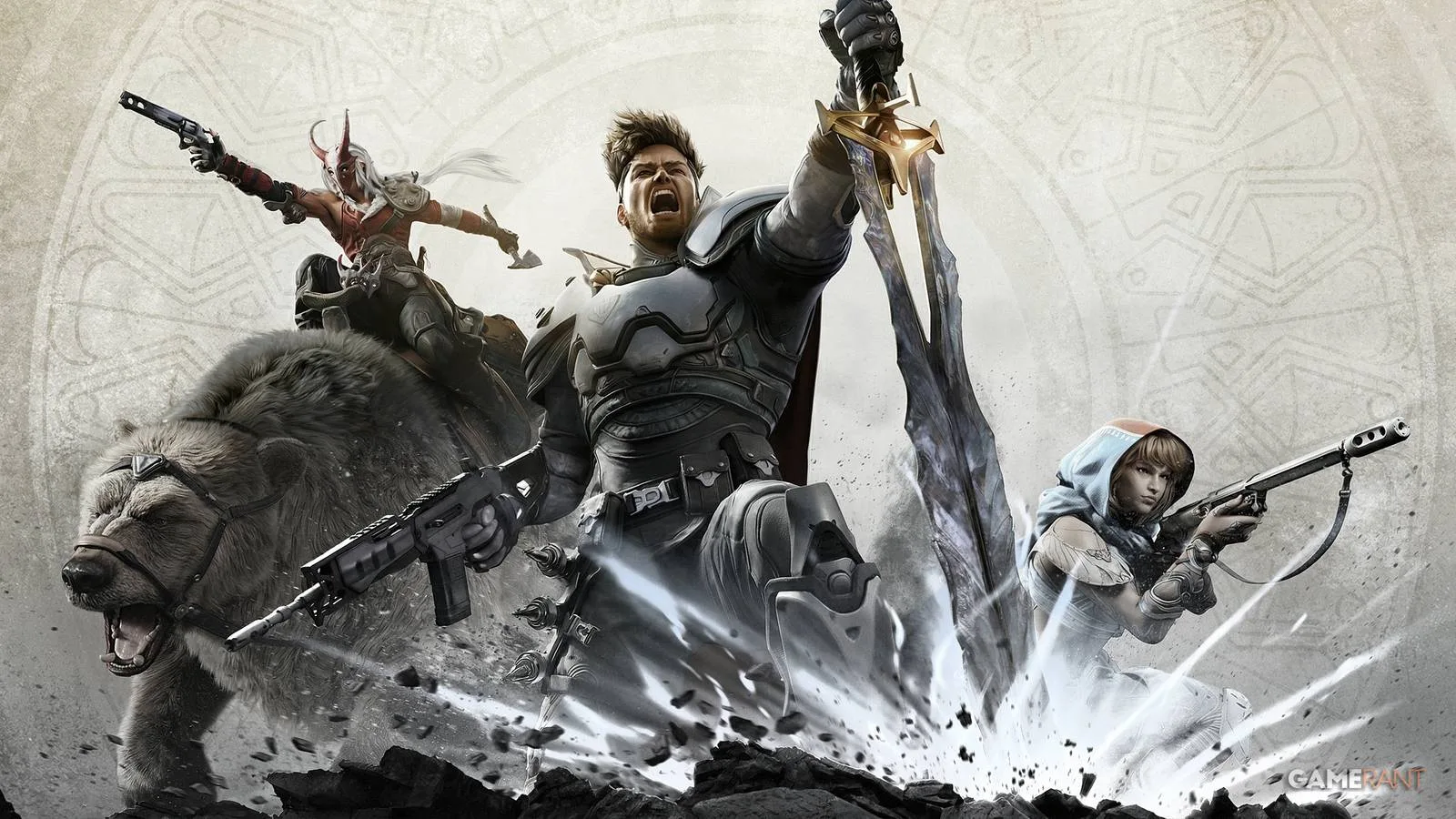
The reveal was cinematic, the pedigree was impeccable, and the initial player count was in the millions. When Highguard stormed onto screens during The Game Awards in late 2025, it seemed poised to be the next major contender in the hero shooter arena. On March 12, 2026, its servers went dark permanently. The entire lifespan of this free-to-play title—from multi-platform launch to shutdown—spanned a mere 45 days. This isn't just another game closing; it's a stark, rapid-fire case study in the extreme volatility of the modern live-service market. How did a project from industry veterans, which attracted over 2 million players at debut, collapse so completely that its developer was forced to lay off most of its team and pull the plug within weeks? The story of Highguard is a cautionary tale written in real-time.
From Game Awards Spotlight to Shutdown Notice
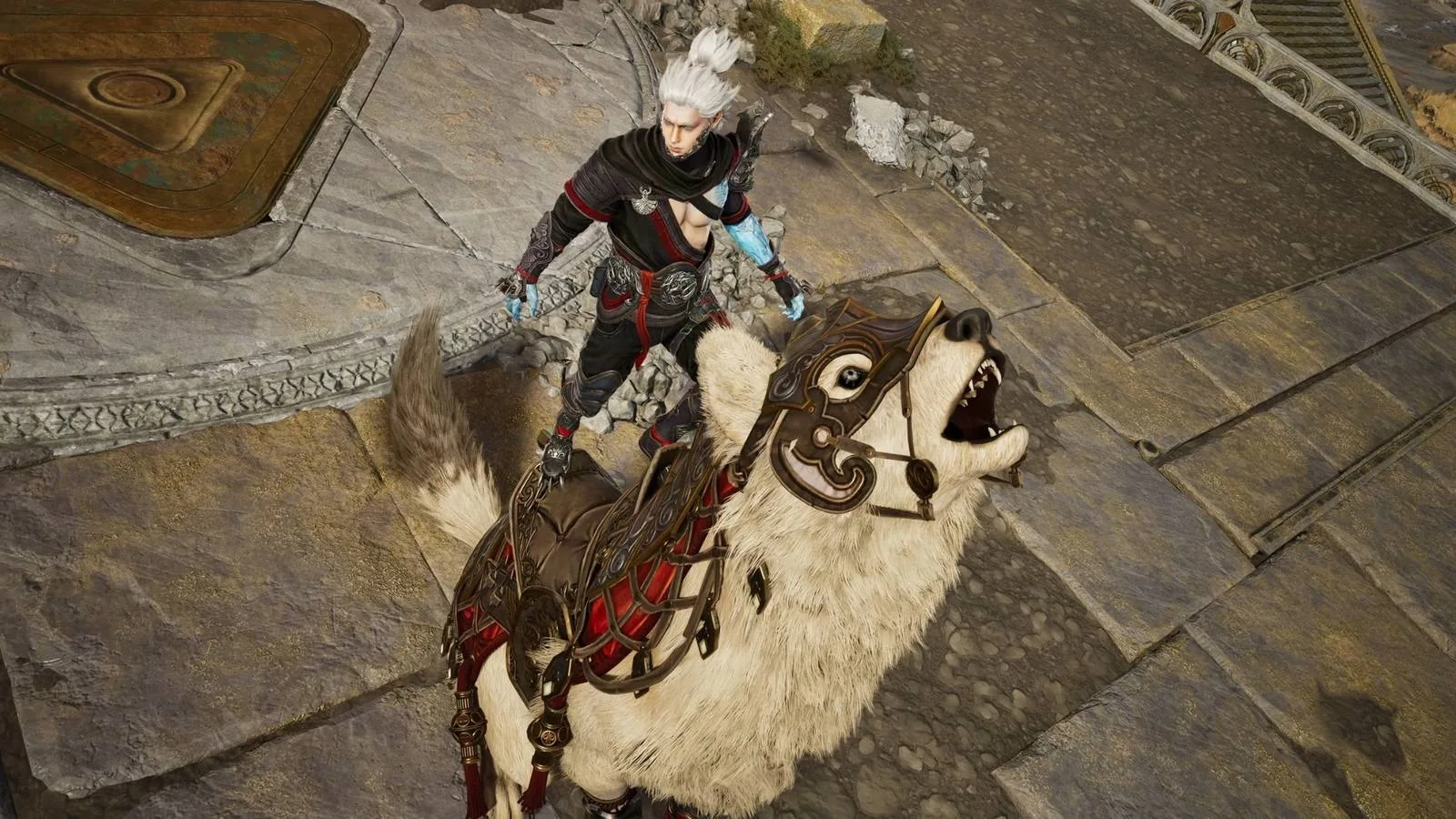
Highguard’s journey began on gaming’s biggest stage. Its reveal at The Game Awards 2025 set expectations sky-high, promising a fantasy-themed hero shooter with dynamic, mount-based combat from a studio packed with talent. The momentum carried into its January 2026 launch on PC, PlayStation 5, and Xbox Series X/S. By all early metrics, it was a hit. The game boasted a total player count exceeding 2 million, with a concurrent player peak on Steam nearing 100,000. It appeared Wildlight Entertainment had successfully translated its developers' Apex Legends and Call of Duty expertise into a fresh, viable product.
The fall was as sudden as the rise. In late February, the official announcement came. "We have made the difficult decision to sunset Highguard," Wildlight stated, pinpointing March 12, 2026 as the final day. The reason given was concise and fatal for any live-service game: the studio was "not able to build a sustainable player base" to justify long-term development and support. The statement transformed the promising launch from just weeks prior into a prelude to a funeral.
The Rapid Unraveling of a Live-Service Dream
The data tells the story of a player base in freefall. From its peak of nearly 100,000 concurrent users on Steam, Highguard’s active community evaporated. Within a month, that number had cratered to around 600 concurrent players—a decline of over 99%. This hemorrhage occurred despite a final, substantial content update dubbed "Warden" on March 4, 2026, which added a new character, weapon, and progression systems. The effort was a last-ditch attempt to staunch the bleeding, but it was too little, too late. In a clear sign of the impending end, the game was delisted from the Steam and PlayStation Storefronts ahead of the server closure.
Critical reception painted a picture of a game with solid foundations but fatal flaws. Reviewers and players praised its core mechanics, particularly the fast-paced movement and the unique, engaging mounted combat. However, this was outweighed by consistent criticism targeting the game's pacing, technical performance issues, and overall presentation, which many felt lacked the polish needed to compete in 2026. In the hyper-competitive hero shooter space, a "good idea" isn't enough; execution is everything, and Highguard’s execution failed to retain its audience.
Behind the Scenes: Studio Turbulence and Market Realities
The studio behind the game, Wildlight Entertainment, was no startup. It was founded by seasoned veterans from the teams behind Apex Legends, Titanfall, and Call of Duty. This pedigree made the collapse all the more shocking, suggesting that deep shooter expertise alone cannot guarantee success in the live-service arena, which demands a different operational tempo and player-relationship focus. Reports in February 2026 revealed the human cost of the failing project: "most" of the development team had been laid off, leaving only a skeleton crew to manage the shutdown process. This drastic action confirmed that the "unsustainable player base" was more than a statistic; it was an immediate business reality that evaporated the studio's capacity and future for the title.
Wildlight’s stated reason cuts to the heart of the modern gaming dilemma. The hero shooter market is brutally oversaturated, dominated by established giants like Overwatch 2, Valorant, and Apex Legends itself. For a new entrant, capturing initial curiosity is one challenge; forging that into a committed, recurring community is a Herculean task. Highguard succeeded at the first and failed spectacularly at the second. It entered an arena where players have endless options and limited time, and it could not convince enough of them to stay.
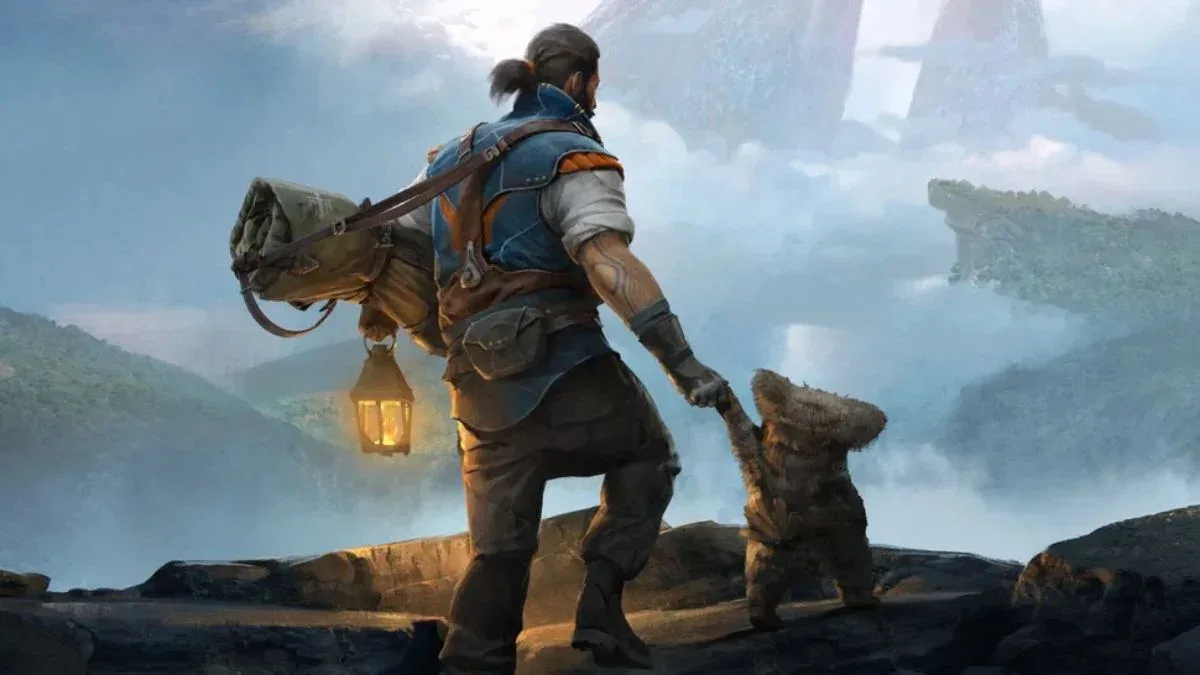
Highguard Joins a Growing Graveyard of Short-Lived Games
Highguard is not an anomaly; it is a prominent new resident in a growing graveyard of live-service ambitions. Its story echoes the high-profile failures of PlayStation's Concord, which shut down just months after launch, the notorious collapse of The Day Before, and the early access demise of Radical Heights. The common narrative is relentless: a flashy reveal generates hype, a launch attracts a crowd, but a rapid player drop-off follows, leaving the service financially and logistically untenable.
This pattern highlights the immense, often underestimated, difficulty of the live-service model. It contrasts sharply with successes like Fortnite or Destiny 2, which have maintained player bases for years. The difference lies in relentless content cadence, deep community engagement, and near-flawless technical execution from day one. For every winner, there are now multiple high-stakes losers whose journeys are measured in weeks, not years.
Conclusion: A Legacy of Speed and a Warning for the Industry
The 45-day saga of Highguard demonstrates that in today’s market, a prestigious reveal and veteran talent are no longer shields against failure. They are merely entry tickets to an incredibly risky game. The shutdown signals a sobering moment for the industry, one that may prompt a strategic recalibration. Publishers and developers might pursue more cautious approaches, such as extended open beta periods to prove retention, guaranteed content roadmaps at launch to build trust, or even a pivot away from purely free-to-play models toward premium or seasonal structures that don't bet a studio's survival on the fickle, immediate retention of millions.
Highguard’s legacy will be its speed—a breathtakingly fast arc from premiere to oblivion that serves as the latest, starkest warning about the perilous gap between a great concept and a sustainable game.