Highguard's Harsh Reality: How a Live-Service Launch Led to Massive Layoffs at Wildlight Entertainment
From Game Awards Reveal to Middling Launch Highguard ’s journey began on a global stage with a high-profile reveal at The Game Awards in December 2025. The cinematic trailer promised a vibrant,...

From Game Awards Reveal to Middling Launch
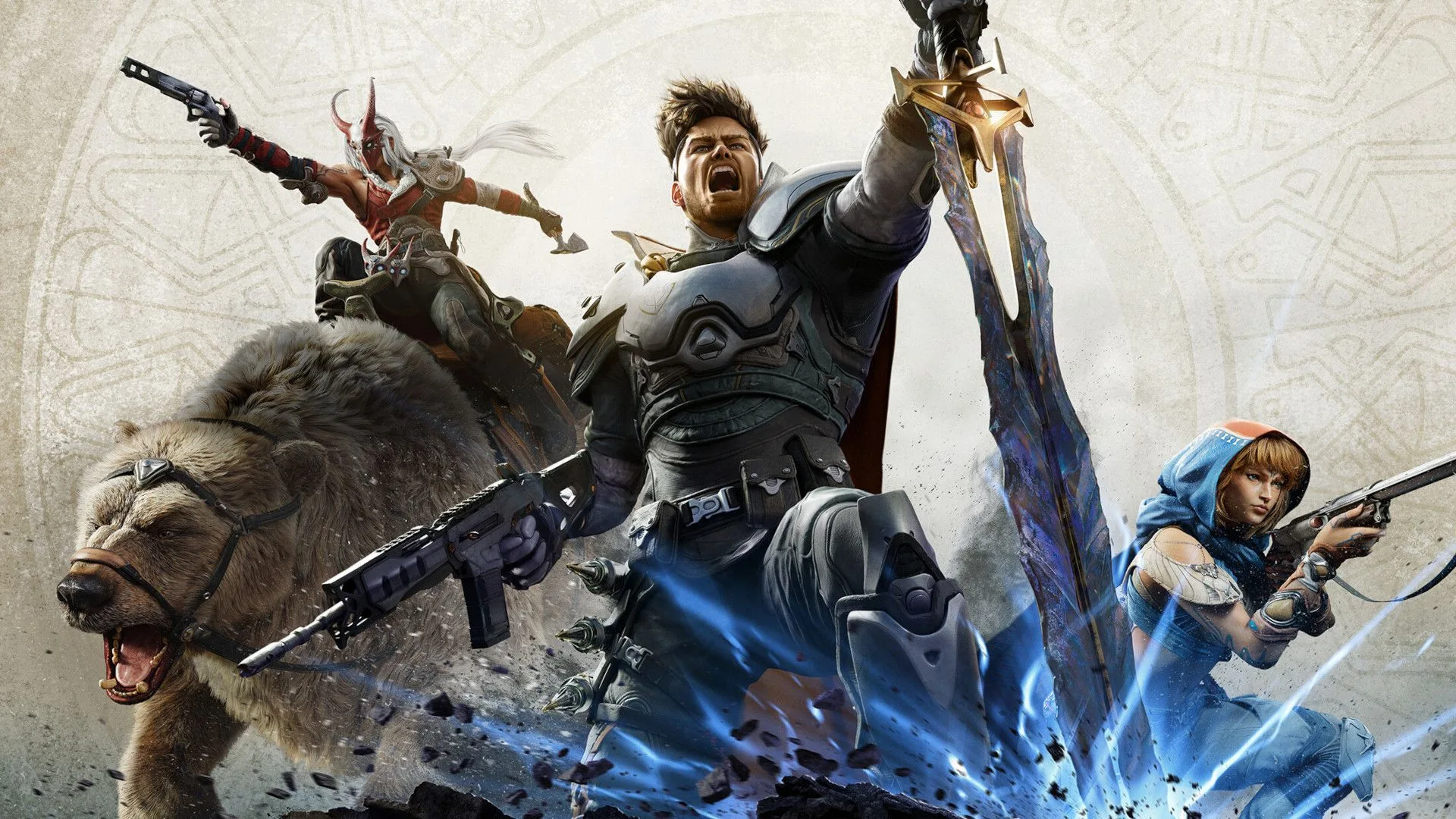
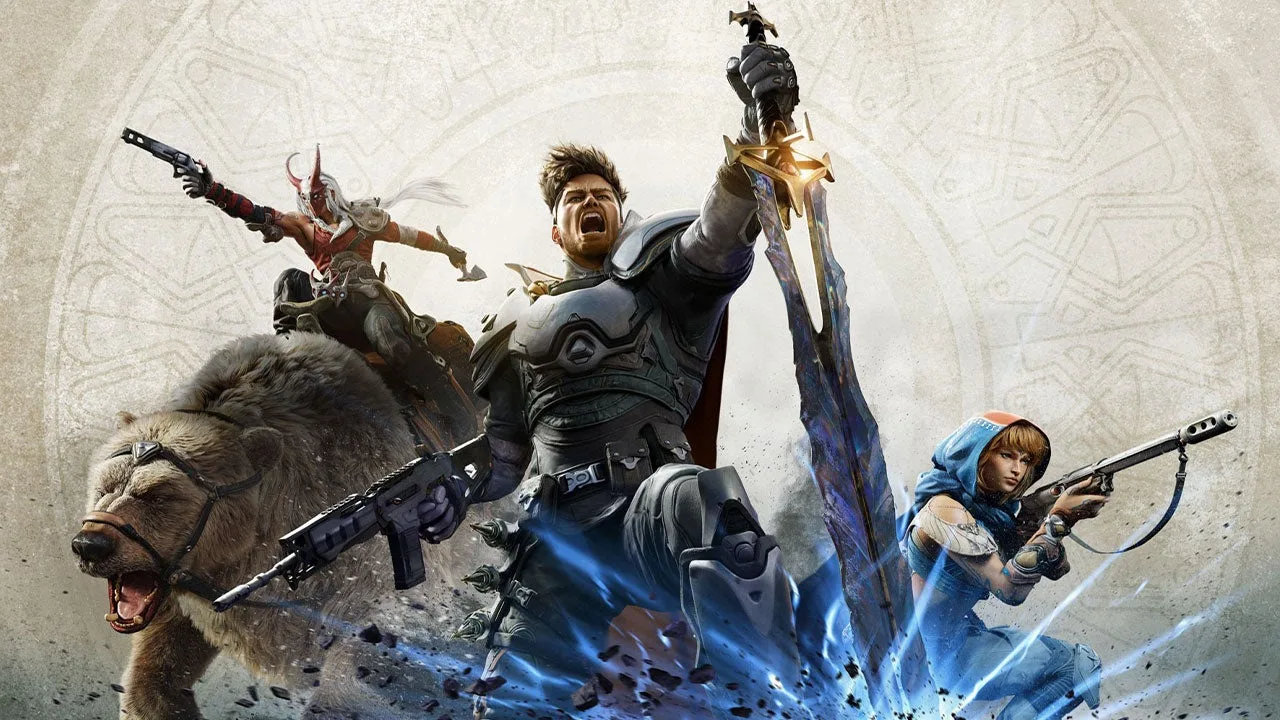
Highguard’s journey began on a global stage with a high-profile reveal at The Game Awards in December 2025. The cinematic trailer promised a vibrant, character-driven world, but the initial reaction from the savvy gaming audience was mixed, with a common critique being a notable lack of actual gameplay footage. This early skepticism foreshadowed the challenges to come.
Upon its January 26 launch, Highguard entered a fiercely competitive arena of free-to-play hero shooters. Critical reception was best described as lukewarm. Reviews frequently cited familiar live-service growing pains, but more damaging were widespread player complaints regarding performance issues and network stability at launch—cardinal sins for a competitive multiplayer title. The most telling data, however, came from the Steam charts.
The game debuted strongly, attracting a peak of 97,249 concurrent players and, according to Circana data, landing in the top 10 for weekly active users on Steam in the US for the week ending January 31. This initial surge, however, proved to be a flash in the pan. Player retention plummeted. Within two weeks, that peak had catastrophically fallen to under 5,000 concurrent users. This steep decline painted a clear picture of a game failing to hook its audience in the critical post-launch period.
The Sudden Cut: Anatomy of the Layoffs
The confirmation of layoffs on February 11 sent shockwaves through the industry, not just for their existence, but for their devastating timing and scale. Wildlight’s official statement was carefully worded, acknowledging the studio had parted with “a number of our team members” but would retain a “core group” to continue supporting Highguard.
The human reality behind that corporate language was provided by former level designer Alex Graner, who stated that “most of the team at Wildlight” was affected. Given that the studio’s LinkedIn page listed 51-200 employees prior to the cuts, this suggests a reduction of potentially dozens of developers, artists, and designers. This action stands in jarring dissonance with the confident pre-launch roadmap outlined by studio head Chad Grenier, who had promised the team had “a year of content planned.” The gutting of the team tasked with delivering that year of content just two weeks after launch reveals a drastic and rapid strategic pivot.
The Live-Service Pressure Cooker
The Highguard saga exemplifies the immense pressure facing new live-service games, especially in the saturated hero shooter genre dominated by titans like Overwatch 2 and Valorant. In this model, a successful launch is not merely about sales; it’s about immediately capturing and, more importantly, retaining a massive, engaged player base that will sustain the game’s economy through microtransactions and battle passes.
The rapid player decline witnessed by Highguard likely triggered immediate financial alarms. For a free-to-play title, low concurrent player numbers directly translate to a tiny addressable market for battle passes and cosmetic items. This jeopardizes the entire revenue model required to fund the promised "year of content," making the long-term roadmap financially untenable. The studio’s post-launch scramble was evident in its rapid response to feedback, such as quickly adding a permanent 5v5 game mode to address complaints about the original 3v3 competitive format. While responsive, this also painted a picture of a development team in turbulent, reactive crisis mode rather than executing a confident, long-term plan.
What's Next for Highguard and Wildlight?
The future for both the game and the studio is now shrouded in profound uncertainty. What can a dramatically reduced “core team” realistically achieve? The promised monthly updates throughout 2026 and the previously announced content roadmap now seem incredibly ambitious, if not impossible, to deliver at their original scope and quality. The live-service contract with players—a promise of continual evolution and new content—has been fundamentally broken by the evisceration of the development team.
Beyond the roadmap, this event casts a long shadow over Wildlight Entertainment itself. The human cost is immense, with talented developers now seeking work in an industry riddled with similar layoffs. The studio’s ability to attract top talent for future projects has undoubtedly been damaged. For Highguard, the challenge is existential: to rebuild player trust and engagement with a skeleton crew, in a market that has already largely moved on.
The story of Highguard is a tragic, accelerated narrative of modern game development hype meeting harsh economic reality. A title launched with speeches about multi-year plans saw its developmental heart ripped out at the first sign of struggle, judged not after a season or a major update, but within a handful of days. The Highguard saga serves as a grim referendum on a model where the window for success is terrifyingly narrow, and the human cost of missing it is calculated not in seasons, but in days.
Tags: Highguard, Wildlight Entertainment, Video Game Layoffs, Live-Service Games, Game Development