Highguard's Future: Dev Confirms New Patch Amid Website Woes and Player Concerns
A Website Goes Dark, Sparking Panic For a live-service game on life support, the most terrifying sight isn’t a negative review—it’s a blank web page. On February 18, 2026, players of the free-to-play...

A Website Goes Dark, Sparking Panic
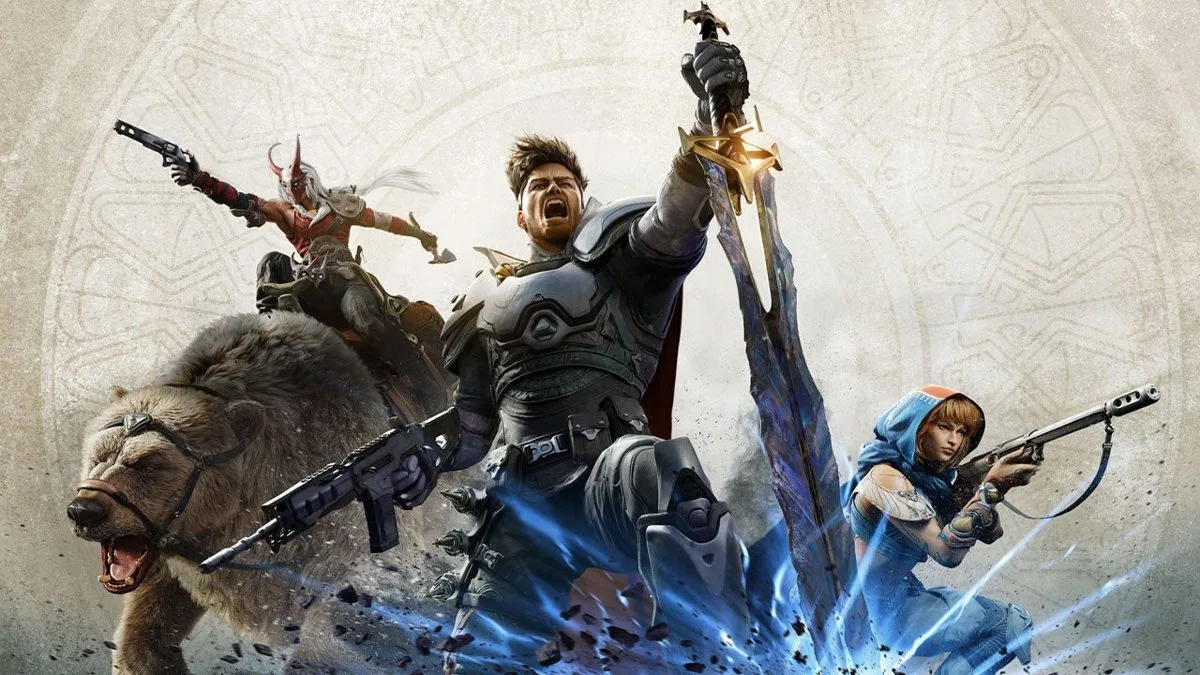
For a live-service game on life support, the most terrifying sight isn’t a negative review—it’s a blank web page. On February 18, 2026, players of the free-to-play shooter Highguard who navigated to its official portal, playhighguard.com, were met with an error for a period of several hours. In an instant, the digital home of Wildlight Entertainment’s ambitious project had vanished. In today’s gaming landscape, where a shuttered website often serves as the final, silent epitaph for a struggling title, the community’s reaction was swift and grim: this was it. The game was being shut down.
This moment of panic became a critical stress test for Highguard, a title whose trajectory has been a case study in post-launch turbulence. From an explosive debut to a rapid collapse in player count, followed by significant studio layoffs, every step has been watched with nervous anticipation. Into this void of uncertainty stepped a developer with a message of reassurance, attempting to pivot the narrative from one of obituary to one of recovery. The promise of a new patch is now the slender thread from which the game’s future hangs.
The incident was as simple as it was alarming. For a period of several hours on February 18, 2026, the official Highguard website became completely inaccessible. In an era where a game’s online presence is its heartbeat, this silence was deafening. The community’s fears did not simmer; they exploded across social media and the game’s Discord server. For a player base already anxious about the title’s viability, the conclusion was logical and terrifying: the developers were pulling the plug.
This fear was not born of mere paranoia but of stark, observable data. Highguard had launched on January 26, 2026, to significant fanfare, boasting a peak of over 97,000 concurrent players on Steam. Yet, in a brutally swift decline, that number had plummeted to struggling to maintain above 1,000 concurrent players by mid-February. When a game loses over 99% of its peak audience in less than a month, every minor setback is magnified into a potential death knell. The dark website wasn’t just a technical glitch; to the community, it was a symptom of a terminal condition.
Developer Reassurance and Shifting Priorities
The response from Wildlight Entertainment was a deliberate attempt to calm the storm and reframe the conversation. A Discord admin operating under the name WL_Coronach addressed the community directly. The message was clear: the website was a "low priority." The team’s focus, they stated, was squarely on "updates and content" for the game itself. The plan for the site was not abandonment, but a "transfer and simplification" at a later date.
This communication was a strategic pivot. By labeling the website a low-priority issue, the developers sought to redirect the community’s attention from the crumbling periphery of the project—its marketing and informational hub—back to its core: the game client and its promised future. It was an admission that limited resources necessitated triage, and in that calculus, a functional game with new content outweighed a functional website. The subsequent confirmation that a "new patch" was in development served as the tangible proof of this stated priority, a lifeline thrown to a community adrift.
The Rocky Road Since Launch
To understand the depth of the panic, one must revisit Highguard’s troubled journey. Its unveiling at The Game Awards 2025 was met more with confusion than acclaim, failing to clearly establish its identity in a crowded shooter market. This shaky start foreshadowed its launch on PC, PlayStation 5, and Xbox Series X|S. While player numbers initially surged, they were quickly undercut by a wave of negative user reviews citing a variety of launch-day issues and design frustrations.
Wildlight had attempted to course-correct, releasing a content update in early February 2026. Prior to the studio’s internal upheaval, developers had even teased that the first full year of post-launch content was "deep in development." These efforts, however, were like applying a bandage to a wound that was hemorrhaging players by the tens of thousands. The foundational player base necessary to sustain a live-service model had already eroded.
Underlying Challenges: Layoffs and Studio Uncertainty
The website outage did not happen in a vacuum. It occurred in the shadow of a seismic event for the studio itself. In early February 2026, Wildlight Entertainment underwent significant layoffs that affected much of its staff. Such restructuring inevitably casts a long shadow of doubt over any ongoing project, raising fundamental questions about resource allocation and long-term commitment.
Complicating the picture further is the studio’s backing. A report from Game File suggested that Chinese conglomerate Tencent quietly funded Highguard's development. While the specifics of Tencent’s involvement and its stance following the game’s rocky launch and the subsequent layoffs remain unclear, it adds a layer of corporate uncertainty to the studio’s operational stability. When a team is downsized and its financial backer is a distant, powerful entity, a broken website transforms from a minor IT issue into a potential canary in the coal mine for wider corporate decisions.
What "Updates and Content" Could Mean
The promise of a "new patch" is now the central pillar of Wildlight’s outreach. The critical question for the community is whether this represents a genuine new lifeline or merely the continuation of work that was already deep in development before the layoffs hit. The developer’s pre-layoff tease about the first year of content suggests a roadmap existed, but its execution post-downsizing is now in question.
For the few thousand dedicated players remaining, the patch’s focus will be paramount. Does the community need critical bug fixes and quality-of-life improvements to stabilize the core experience? Is it desperate for new maps, modes, or a battle pass to inject fresh life? Or is fundamental gameplay balancing required to address the criticisms that fueled the negative reviews? Ultimately, the patch must serve as both a stability fix for the faithful and a compelling reason for the departed to return—a dual mandate that will test Wildlight's diminished resources like never before.
Highguard exists in a precarious limbo, suspended between the passionate promise of a continued development roadmap and the harsh, unignorable realities of a decimated player count and a studio operating with a skeleton crew. The upcoming patch is no ordinary update; it is a referendum. Its quality, timing, and reception will determine whether this moment is remembered as the first step in a remarkable live-service recovery story, or the final, failed push before the servers go quiet for good. The developers have assured players they are focused on the game. Now, the game’s future depends entirely on what that focus produces.