Hideo Kojima’s OD Screenshot Unleashes P.T. Nostalgia - But a Secret ‘Anti-Fear’ System Promises Something New
For over a decade, Hideo Kojima's P.T. has haunted the games industry as the ultimate lost horror experience. A looping hallway that encapsulated pure dread, it vanished almost as quickly as it...

For over a decade, Hideo Kojima's P.T. has haunted the games industry as the ultimate lost horror experience. A looping hallway that encapsulated pure dread, it vanished almost as quickly as it appeared, pulled from the PlayStation Store after the cancellation of Silent Hills in 2015. Now, with a single screenshot of his new Xbox horror game OD, Kojima has sent shivers down the spines of fans by recreating that exact yellow-lit, backrooms-style corridor. But this time, there is a twist: Kojima claims OD features a never-before-seen game system designed to help terrified players keep going. This article breaks down the nostalgic callback, the long road to OD's existence, and the innovative mechanics that might redefine how we approach fear in gaming.
The Hallway That Haunted a Generation
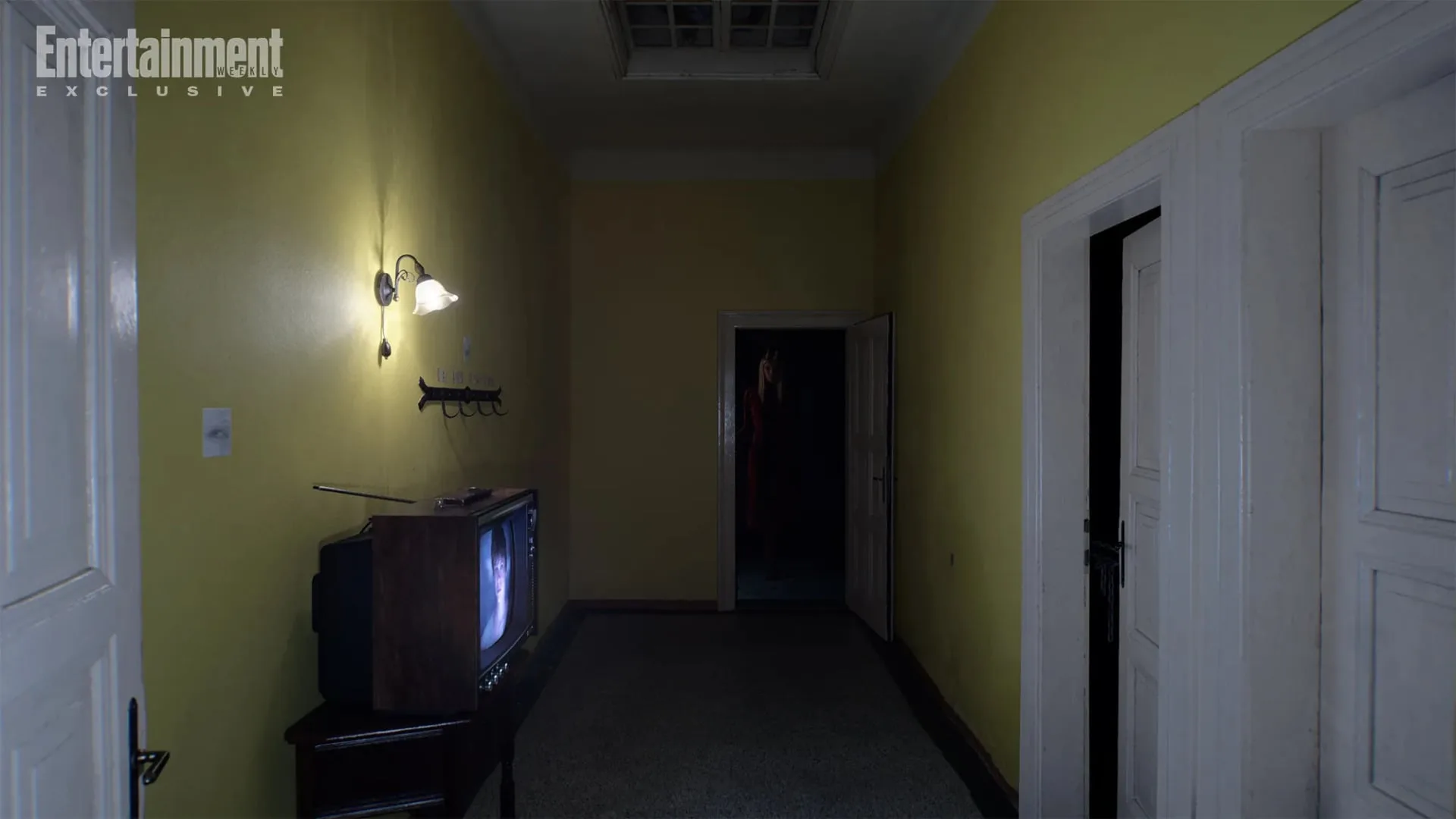
The first proper screenshot of OD depicts a creepy yellow hallway with an old-fashioned television set and a figure lurking in a dark doorway. The composition is an unmistakable visual echo of P.T.'s iconic corridor. The lighting, the photorealistic aesthetic, the oppressive liminal atmosphere, all of it evokes the hallway that became legendary for its infinite loop and cryptic puzzles.
But the details matter. The screenshot shows a slightly ajar door with a literal chain acting as a door chain, a callback to P.T.'s obsessive attention to small, unsettling props. The figure in the doorway is widely identified as actress Hunter Schafer, best known for Euphoria. As reported by Entertainment Weekly, Schafer is part of OD's cast alongside Sophia Lillis and the late Udo Kier. The red outfit with horns suggests a villainous or cult-leader role, though details remain unconfirmed.
Why does this single image resonate so deeply? P.T. was unceremoniously pulled from the PlayStation Store in 2015 after Konami cancelled Silent Hills, making it one of gaming's most sought-after lost pieces of media. Fans have spent years recreating it in other engines, modding it into other games, and endlessly analyzing its every pixel. The image suggests Kojima is acknowledging what we lost and intends to reclaim that territory.
OD's Long Road to Existence - A Project That Almost Wasn't
Kojima has revealed that OD existed as a concept since he was working on Death Stranding 1. According to interviews reported by IGN, he pitched the idea to many companies, and all of them rejected him, calling him "crazy." Only former Xbox boss Phil Spencer understood the vision and greenlit the project. That underdog narrative, a passion project that nearly didn't exist, fuels fan excitement.
The game is a collaboration with Oscar-winning filmmaker Jordan Peele, director of Get Out and Nope. The cast reads like a dream team for psychological horror: Sophia Lillis (known for It), Hunter Schafer, and the late Udo Kier. Kojima's team completed a scan of Kier before his passing, but a full shoot was not possible. Filming has now properly begun with the actors, and production is moving forward.
OD represents more than just another Kojima project. After the success of Death Stranding and the upcoming Death Stranding 2 and Physint, Kojima could have stayed in the surreal sci-fi lane. Instead, he returned to pure horror, the genre that made his name, with a partner who believed in him when no one else did.
Beyond the Limit of Scariness - The 'Anti-Fear' System
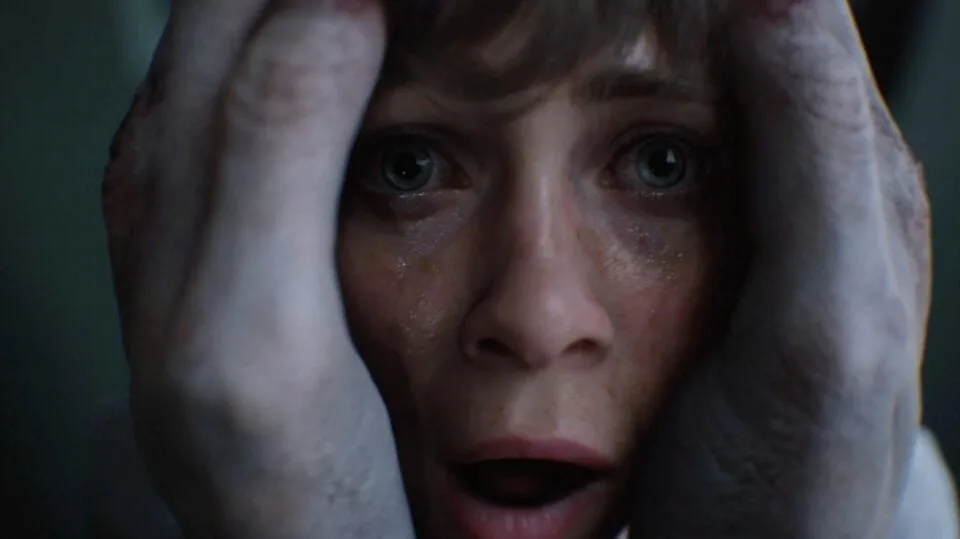
The title OD stands for "overdosing on fear." Kojima has said he wants to go "beyond the limit of scariness" that other games have reached. But here is the truly intriguing part: he promises a new game system that no one has ever seen before, which includes a secret mechanic to help players who get too scared to continue playing.
Details remain tightly guarded, but Kojima has teased that this system is not simply a difficulty slider or a pause button. It is a tool designed to keep players engaged rather than turning the game off. Speculation ranges from a dynamic fear meter that adjusts the horror based on player biometrics, to a narrative trigger that offers a moment of respite, to an AI companion that steps in when anxiety peaks. Some fans have drawn comparisons to Silent Hill: Shattered Memories, which adapted its world and threats based on the player's psychological profile, but Kojima's approach is rumored to be far more sophisticated and integrated into the core gameplay loop. Whatever the system is, it represents a fundamental shift in how horror games approach player agency.
Contrast this with P.T., which offered no such mercy. That demo was infamous for its unrelenting tension, its cryptic puzzle-solving under pressure, and its willingness to let players give up out of pure frustration. OD aims to be both more frightening and more accessible through innovation. If Kojima succeeds, he may crack a code that horror designers have struggled with for decades: how to push the limits of fear without alienating the player.
What OD Means for Kojima's Horror Legacy
OD marks Kojima's proper return to pure horror after the surreal sci-fi of Death Stranding and the upcoming Physint. Technically, the game is built on Unreal Engine 5, will be single-player, and is published by Xbox Game Studios. New Xbox CEO Asha Sharma called OD "a deeply moving game," hinting at emotional weight beyond simple scares.
A teaser titled OD: Knock dropped at an Xbox event, offering a brief cinematic glimpse. This new screenshot is the first in-engine look fans have seen. No release date has been announced, but momentum is building. Filming has started, and Kojima is clearly committed to delivering a horror experience that honors the past while forging a new path.
OD is shaping up to be more than just a spiritual successor to P.T.. It is a declaration that Kojima has not forgotten how to terrify players, but he wants to do it in a smarter, more empathetic way. The nostalgic hallway may draw us in, but the anti-fear system could be the innovation that keeps players from walking away. As OD moves from concept into production, it stands as both a tribute to the past and a bold leap into the future of interactive horror. Whether OD can truly deliver on its promise of a kinder kind of terror remains to be seen, but Kojima has never been one to shy away from the unknown.