Hazelight's Next Game: Is Josef Fares Teasing a Three-Player Co-op Revolution?
In the world of video games, few figures command attention like Josef Fares. The charismatic, boundary-pushing director of Hazelight Studios has built a reputation on brilliant games and an...

In the world of video games, few figures command attention like Josef Fares. The charismatic, boundary-pushing director of Hazelight Studios has built a reputation on brilliant games and an infectious passion for redefining how we play together. Now, a single social media post has ignited widespread speculation: is the master of the two-player narrative preparing to shatter his own mold?
On February 10, 2026, Fares posted a photo from inside Hazelight’s studio, showing three actors in motion capture suits performing on a capture stage. For a studio whose celebrated catalog—from A Way Out to the Game of the Year-winning It Takes Two—has been built around one- or two-player dynamics, the sight of a trio was immediately conspicuous. The gaming community pounced, flooding social media with one compelling question: is Josef Fares about to pioneer a groundbreaking three-player cooperative experience?
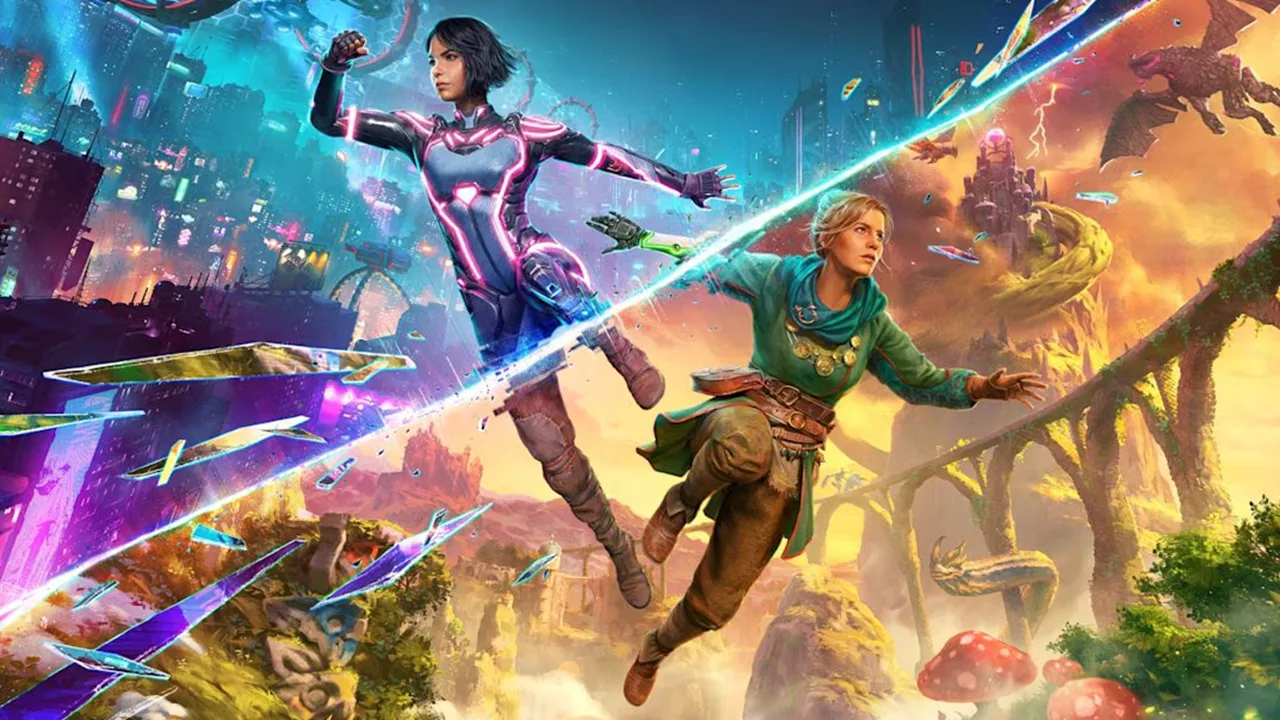
This tease arrives as Hazelight rides the wave of success from its latest title. In our speculative timeline, the colossal success of Split Fiction (2025)—imagined here as selling over 4 million copies and earning a 9/10 from IGN—would have cemented the studio’s niche as the premier creator of intimate, mechanically dense co-op adventures. All of which makes the three-actor mocap session an unprecedented clue that has fans and critics alike wondering: what is Hazelight cooking up next?
The Tease - Decoding the Mocap Photo & Social Media Clues
The February 10th post is a classic Josef Fares tease: offering just enough to drive rampant speculation while revealing nothing concrete. The core of the evidence lies in the photo itself. Motion capture sessions are fundamental to Hazelight’s development, used to create the fluid, expressive animations that bring their emotional narratives to life. Seeing three performers suited up simultaneously is a significant departure from the studio’s established process for its two-character stories.
Fan interpretation has been near-unanimous on platforms like Reddit and Twitter: three actors logically suggests three player characters. Hazelight’s own social media account fanned the flames with a playful, cryptic response: “We're back in the kitchen, cookin' up something really delicious.” They doubled down by joking about the actors’ poses, quipping, “Our new Strategic Arm Placement Tech is coming along nicely.” This calculated ambiguity—leveraging humor to deflect while acknowledging scrutiny—is a marked shift from previous reveals centered on an inseparable duo. The tease feels intentional, a breadcrumb dropped for a community trained to look for Fares’ next big swing.
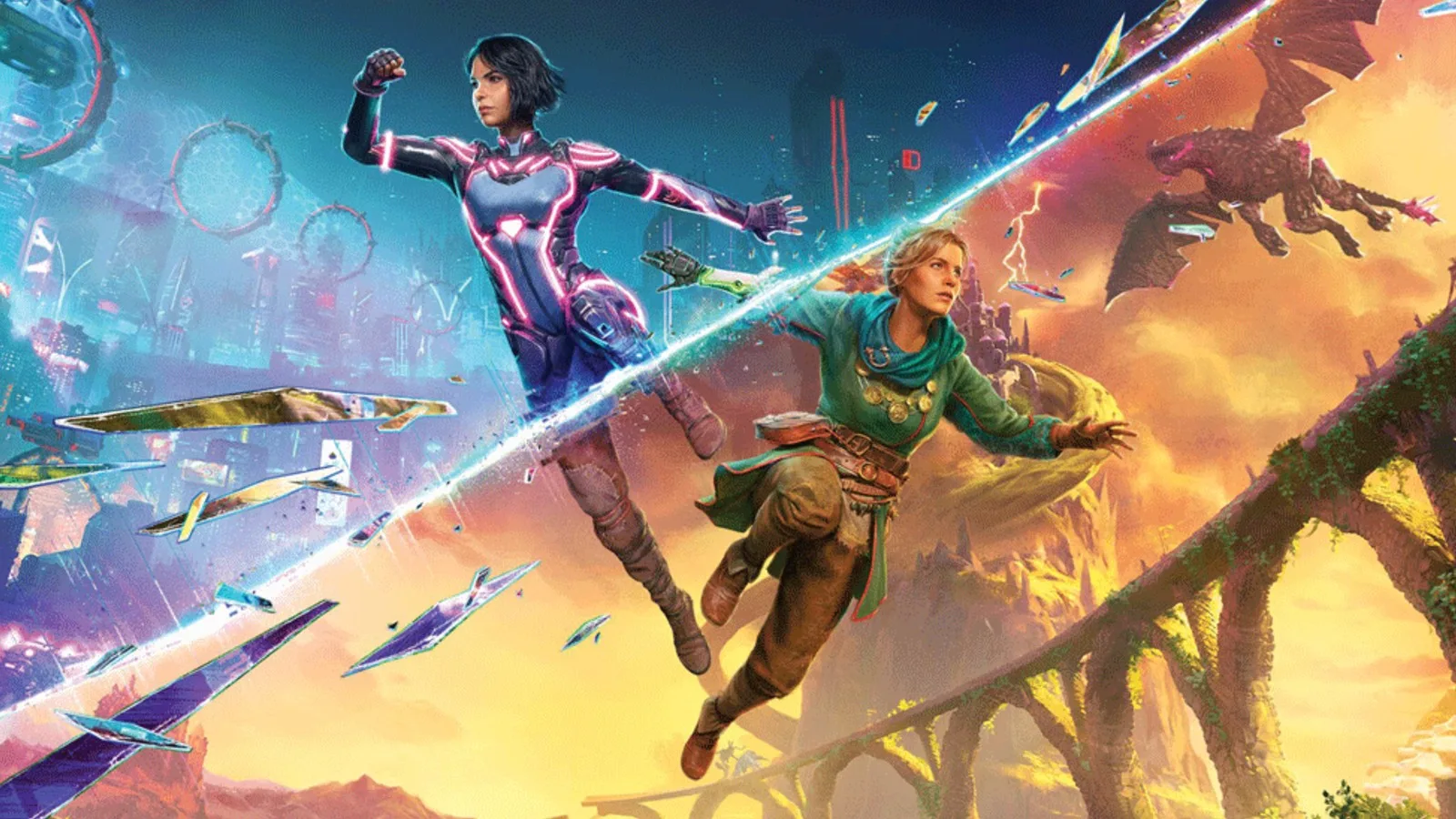
Hazelight's Legacy: From Two Brothers to Split Fiction
To understand the potential seismic shift a three-player game represents, one must first appreciate the studio’s meticulously crafted legacy. Hazelight’s journey is a masterclass in evolving a core design philosophy. It began with Brothers: A Tale of Two Sons (2013), a single-player game that ingeniously used one controller to simulate the cooperative bond between two characters. This established Fares’ foundational principle: mechanics and narrative must be inextricably linked.
The studio then doubled down on literal cooperation with A Way Out (2018), a game that could only be played by two people. Its success proved there was a hungry audience for dedicated, story-rich co-op. That hunger was fully satiated with It Takes Two (2021), a title that won countless Game of the Year awards by weaving a heartfelt narrative into a constantly shifting tapestry of inventive, complementary gameplay mechanics designed exclusively for two.
This legacy culminated in the success of Split Fiction (2025), which, in this speculative scenario, cemented Hazelight’s reputation. Every title reinforces Fares’ consistent vision: player interaction isn’t a mode; it’s the foundation of the entire experience.

Reading the Signals: Evidence For and Against a Three-Player Game
The speculation surrounding the three-actor photo presents compelling arguments on both sides.
The Case For a Three-Player Revolution:
The evidence is visually straightforward: three mocap actors is a first for Hazelight. Josef Fares is an innovator who has publicly criticized industry stagnation; simply repeating the two-player formula would seem out of character. Furthermore, the market for a polished, narrative-driven triple-A three-player co-op experience is surprisingly open. While games like Destiny or Monster Hunter feature three-plus player activities, few offer the tightly woven, character-centric story Hazelight is known for. This could be Fares identifying and seizing a new frontier for cooperative storytelling.
The Case Against the Theory:
Caution is warranted. The mocap session could easily be for a cinematic scene featuring three major NPCs, or for early prototyping of mechanics that may not reflect the final product. The greatest counter-argument is one of design complexity. Crafting a deep, balanced narrative where three player perspectives are equally vital and mechanically distinct is a monumental challenge—even for Hazelight. The studio’s brand is built on the intimacy of a duo; scaling that magic to a trio risks diluting the very connection that makes their games special.
State of the Studio: Development Timeline and Parallel Projects
The mocap session offers a clue about the project’s progression. In a March 2025 podcast, Fares stated the next game was in “very early stages,” with the team focused on story and initial gameplay ideas. Moving to a motion capture shoot by early 2026 suggests the project has advanced from the conceptual phase into active prototyping and asset creation. This timeline indicates a game still years from release, but one that is firmly in active development.
Meanwhile, the Split Fiction universe continues to expand independently in this speculative future. A film adaptation is in active development at Amazon MGM Studios, with Jon M. Chu attached to direct and Sydney Sweeney set to star. Fares confirmed the script’s first draft was complete as of January 2026. This parallel project demonstrates the health and growth of the Hazelight brand, allowing the core game development team to focus fully on their next interactive feast.
Whether the three-actor photo is a deliberate signal or a clever misdirection, one thing is certain: Josef Fares and Hazelight Studios are back in the kitchen. The evidence points toward another ambitious attempt to redefine cooperative play. A shift to three players would be a daring evolution, challenging the studio to scale its intimate magic while potentially filling a void in the gaming landscape. For now, the recipe remains a secret. But based on Hazelight’s track record, the gaming world is waiting with bated breath. Whether for two players or three, the true revolution Hazelight promises is not merely in the number of controllers, but in designing a story where cooperation isn’t just an option—it’s the only way the narrative can be understood and completed. That is the delicious ingredient Fares has always cooked with, and the one the gaming world awaits to taste next.
Tags: Josef Fares, Hazelight Studios, Co-op Games, Game Development, Split Fiction