Hatsune Miku: Starry Party - Nendoroid-Style Party Action Game Brings Vocaloid Chaos to Switch 2 and PC in 2027
When gamers think of Hatsune Miku, their minds jump to fast-flying arrows and split-second rhythm taps, but at Anime Expo 2026 on July 4, Good Smile Company and Crypton Future Media shattered that...

When gamers think of Hatsune Miku, their minds jump to fast-flying arrows and split-second rhythm taps, but at Anime Expo 2026 on July 4, Good Smile Company and Crypton Future Media shattered that expectation entirely. The teal-haired icon, who has been the face of the Project DIVA franchise for over a decade (selling more than 6 million copies across consoles and PC), is trading her beat-matching roots for a chaotic multiplayer party game.
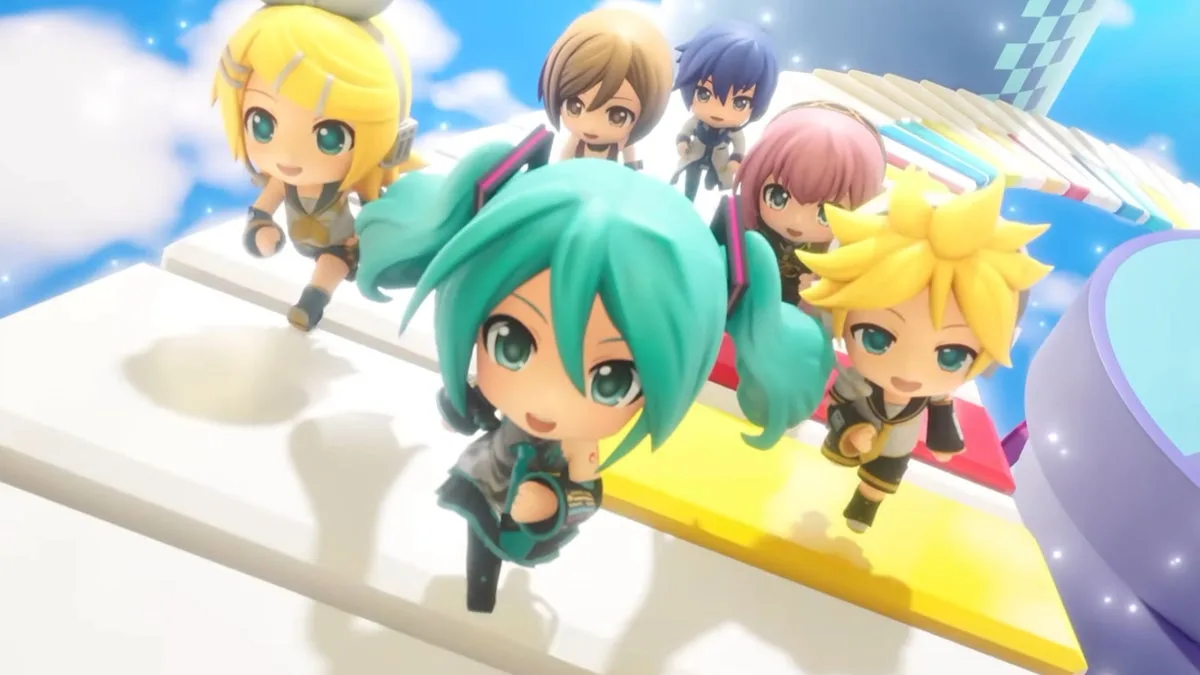
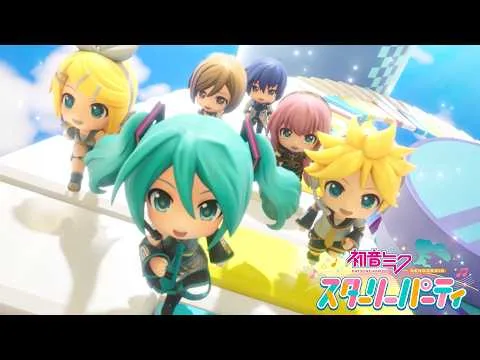
Hatsune Miku: Starry Party is a star-collecting romp for up to six players, rendered in the adorable chibi style of Good Smile’s Nendoroid figurines. It marks the first Nendoroid-style Vocaloid game since 2013’s Project Mirai on the Nintendo 3DS, yet it abandons the rhythm genre entirely in favor of couch-friendly mayhem. The announcement trailer, featuring the original song “StargazeR” by Kots Beirne feat. Hatsune Miku, is a conceptual showcase of Nendoroid figures springing to life; concrete gameplay footage remains under wraps. But the intent is clear: Miku is leaving the beat behind and jumping into the party.
From Rhythm to Party Action, A Pivot Worth Watching
The Project DIVA formula has been refined over many entries. Players time their inputs to musical cues, chase high scores, and unlock costumes in a solo-focused experience. Starry Party tosses that blueprint out the window. Good Smile Company’s official description reads: “Run, jump, and collect stars with your friends.” That brief line paints a picture of a competitive or cooperative arena where speed and positioning matter more than musical precision.
Supporting up to six players locally or online, the game is clearly designed for group fun, the kind of game you break out at a party or during a streaming session. While Miku has dabbled in non-rhythm spinoffs before, Fitness Boxing feat. Hatsune Miku and Hatsune Miku Logic Paint come to mind, none have been built from the ground up for multiplayer chaos. Starry Party is an unprecedented genre shift for the franchise, and it carries both excitement and risk.
For fans who have wanted to see Vocaloid characters interact in a more playful, non-competitive environment, this could be a dream come true. For rhythm purists who only know Miku through Project DIVA, the pivot may feel jarring. But Crypton Future Media and Good Smile Company are betting that the Nendoroid aesthetic will bridge the gap.
The Nendoroid Comeback, Nostalgia on Display
The most immediately striking aspect of Starry Party is its visual identity. Every character is styled as a Nendoroid figurine, big heads, small bodies, and expressive faces that mirror the collectible toys sold worldwide. This marks the first time a Hatsune Miku game has embraced the Nendoroid look since the Project Mirai series on Nintendo 3DS, which itself became a cult favorite for its chibi charm and unique rhythm gameplay.
The confirmed playable roster includes the core six Vocaloid characters: Hatsune Miku, Kagamine Rin, Kagamine Len, Megurine Luka, MEIKO, and KAITO. Each will likely come with signature animations and personality quirks, possibly reflecting their Nendoroid figure poses. For collectors who own physical versions of these characters, seeing them run, jump, and tumble on screen is an incredibly appealing prospect.
Good Smile Company’s involvement as both publisher and co-developer is significant. The company is best known for manufacturing high-quality figurines, but Starry Party represents its most ambitious push into game development. By handling the Nendoroid brand internally, the studio can ensure the aesthetic stays true to the toy line, something that outsourced games cannot always guarantee.
Platforms, Languages, and the Long Road to 2027
Hatsune Miku: Starry Party is coming exclusively to Nintendo Switch 2 and PC via Steam. No PlayStation or Xbox versions have been announced. The decision to target Nintendo’s next-gen console aligns with the party-game focus, Nintendo platforms have historically been home to the genre, and the timing capitalizes on the Switch 2’s expected emphasis on local multiplayer and social play. The PC release via Steam opens the door to a broader audience and modding potential down the line.
The game supports four languages at launch: English, Japanese, Traditional Chinese, and Simplified Chinese. This broad localization effort suggests a serious commitment to global markets, especially Asia, where Hatsune Miku’s popularity is immense and where Good Smile Company already has a strong retail presence. The growing collector-figurine market, fueled by social media unboxings and limited-edition releases, further justifies this move: Starry Party isn’t just a game; it’s an extension of a physical-product ecosystem that fans already invest in heavily.
The release window is set for 2027, with Eurogamer reporting a more specific “early 2027” timeframe. That is still years away, and with no concrete gameplay footage shown yet, the wait will test fan patience. However, the official social media account, @Starrypa_Miku on X/Twitter, is already live, hinting that periodic updates and reveals will keep the community engaged during the development cycle.

The Big Unknowns, What We Have Yet to See
For all the excitement surrounding Starry Party, there is still much we do not know. The announcement teaser is purely conceptual; not a single frame of actual gameplay has been shown. Breaking down the unanswered questions reveals three areas that will determine the game’s reception.
- Gameplay mechanics and structure: The star-collecting objective sounds simple, but the exact structure remains a mystery. Will there be minigames similar to Mario Party? Are there power-ups, traps, or stage-specific hazards? The lack of footage makes it impossible to judge the depth of the core loop, and that depth will be critical for replayability, especially at a $60 or higher price point given Good Smile’s premium brand.
- Online infrastructure: How does the online multiplayer work, dedicated servers, peer-to-peer, or lobby-based matchmaking? Is there any cross-play between Switch 2 and PC? With six-player sessions, stability and matchmaking quality could make or break the experience, particularly for players who don’t have local groups.
- Monetization and business model: Pricing and downloadable content plans are also unconfirmed. Given Good Smile Company’s background in collectibles, cosmetic DLC seems almost inevitable. Additional Nendoroid outfits, new characters, and even themed stages tied to real-world figurine releases would be a natural fit. But aggressive monetization could alienate players expecting a full product at launch.
What is clear is that Crypton Future Media and Good Smile Company are treating Starry Party as a serious production, not a quick cash-in. The collaboration between the IP owner and the plastic-toy giant suggests deep involvement from both sides. That level of care gives hope that the final product will honor both the Vocaloid legacy and the Nendoroid brand.
A Party Worth Waiting For
Hatsune Miku: Starry Party is a gamble wrapped in nostalgia. By swapping the rhythm genre for multiplayer action, Crypton Future Media and Good Smile Company are taking a risk that could alienate longtime fans or introduce the virtual singer to an entirely new audience. Yet the return of the Nendoroid art style, last seen in Project Mirai over a decade ago, taps directly into the collector sentiment that makes Miku such a unique cultural phenomenon.
The game has the potential to become a staple at gaming parties, a showcase for Good Smile Company’s expansion into software, and a bold new chapter for a character who has spent too long confined to arrow lanes. Whether that potential is realized will depend on the quality of the minigames, the depth of the online features, and the charm of the Nendoroid animations when they are finally shown in action.
With a 2027 release on Switch 2 and PC, the road ahead is long. But if Starry Party delivers on its promise, it won’t just be a spinoff, it will be proof that even a digital diva can find a new stage.