Gunzilla Games Payment Controversy: CEO Calls Unpaid Contractors "Haters" Amid Studio Turmoil
The Allegations: A Pattern of Unpaid Wages The claims against Gunzilla Games form a consistent, public narrative from individuals across different roles and offices, alleging significant periods of...

The Allegations: A Pattern of Unpaid Wages
The claims against Gunzilla Games form a consistent, public narrative from individuals across different roles and offices, alleging significant periods of unpaid labor. The scale is significant, with media reports suggesting at least 15 affected individuals from the Frankfurt office (Gunzilla GmbH) and 9 from the Kyiv office.
Several cases highlight the severity of the situation. Former senior animator Paul Creamer states he was not paid from October 2025 onward. For QA engineers, the situation was particularly stark: Anton Palii alleges he went five months without pay. The technical backbone of the studio appears equally affected. Senior game programmer Vladyslav Spitkovskyi alleges unpaid wages since December 2025 and is now pursuing legal action—one of the most direct escalations of the dispute.
These individuals are part of a larger group, including former head of talent acquisition Anna Savina, former concept artist Sergei Kochurkin, and UI programmer Riccardo Galdieri, all reporting similar periods of non-payment spanning months. A common thread in these allegations, as reported by those involved, was reassurance from management that delays were merely temporary "growing pains" of a profitable company.
The CEO's Response: Denials, "Haters," and Cash Flow Management
Facing mounting public criticism, CEO Vlad Korolev issued a statement on X around April 09, 2026. His response drew a firm line between employee types and attributed the controversy to malice and business illiteracy.
Korolev categorically denied delays for "full-time official employees," asserting that over six years, their salaries had "never been delayed by more than a week." He shifted focus to contractors, acknowledging the company was "optimizing costs" and that "some payments may be scheduled" to manage overall company cash flow, which could result in delays.
The most controversial element was his characterization of the accusers. He labeled the narrative as being driven by "haters" who want the studio to fail and "have never built a business." He claimed one recently departed "loud" contractor was "repaid immediately," implicitly suggesting the issue was overblown or resolved. This language starkly contrasts with the specific, documented financial grievances of individuals citing multiple months of unpaid work, framing a dispute over owed wages as a personal attack rather than a contractual obligation.
Context: "Off the Grid," NFTs, and Studio Pressure
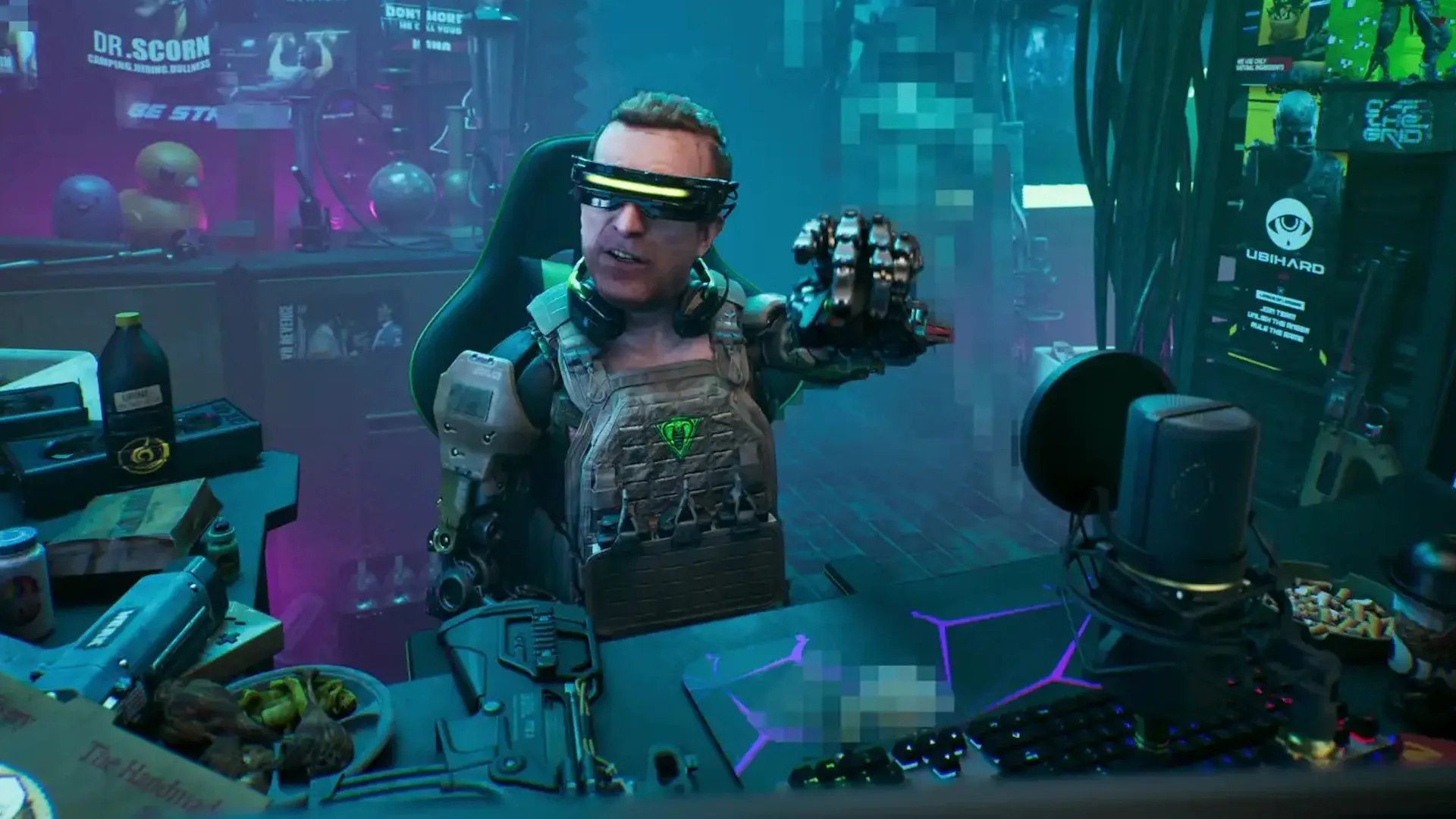
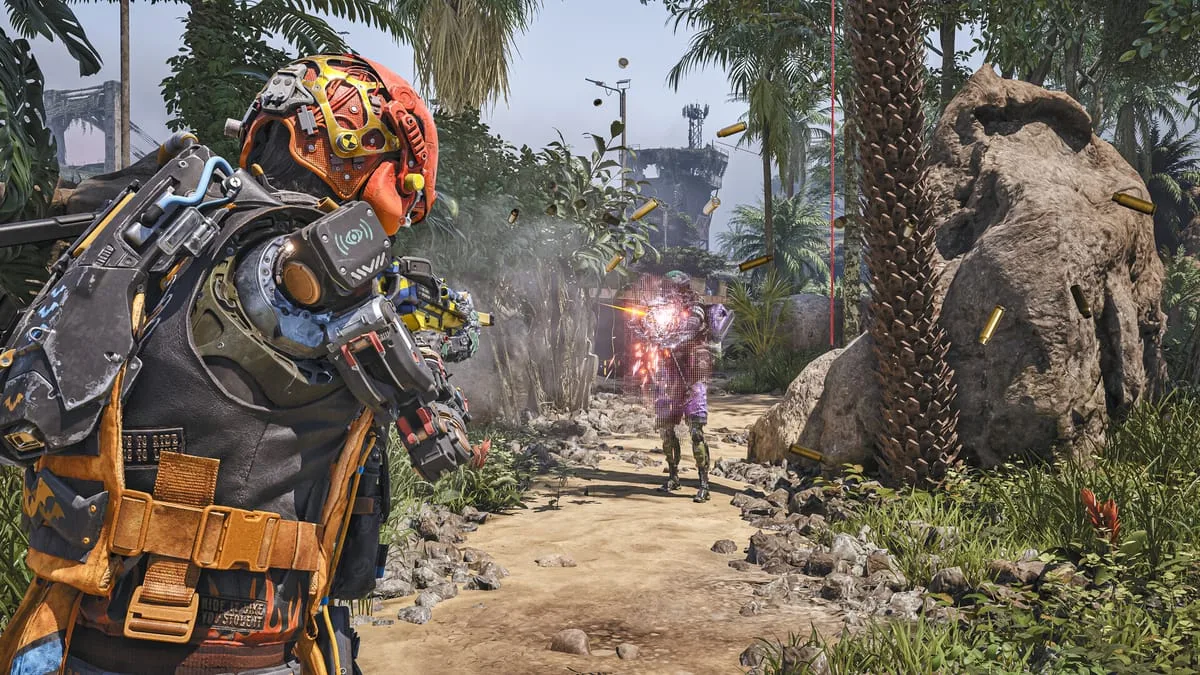
To understand the pressure cooker at Gunzilla, one must look at its ambitious projects. The studio, co-founded by Hollywood director Neill Blomkamp, is staking its reputation on Off the Grid, a third-person battle royale where the in-game economy is powered by NFTs. Its premium currency is the Gunz token, a digital asset whose value collapsed precipitously after launch and has failed to recover, raising questions about the game's core financial model.
The game itself, available on Steam, Epic, PlayStation 5, and Xbox Series X/S, has garnered mixed reviews (55% positive on Steam), indicating a challenging reception in a saturated market. Furthermore, the studio's high-profile revival of the Game Informer magazine represents another significant, non-development financial commitment.
Korolev’s statement inadvertently highlighted this pressure. He emphasized an intense work culture, stating, "there has never been a single day where anyone worked in a 'work-life balance' mode." This admission of persistent crunch, coupled with his focus on "optimizing costs" and cash flow, paints a picture of a studio under significant financial strain. The allegations of unpaid wages thus emerge not in a vacuum, but within the broader context of a company managing the high costs of AAA development alongside the risky, underperforming experiment of NFT integration.

Fallout and Resolution: Legal Action, Settlements, and Reputational Damage
The dispute has moved beyond social media posts. Vladyslav Spitkovskyi is pursuing legal action over his unpaid wages, a path that may be followed by others. The experience of Riccardo Galdieri suggests legal pressure can yield results; he stated he was paid only after involving a lawyer. There has been partial resolution in some cases, such as Anna Savina, who later updated her post to note her personal matter was resolved.
However, the reputational damage to Gunzilla Games may be more lasting and harder to quantify. In an industry where talent is highly mobile and community perception can impact player adoption, being publicly associated with allegations of withheld pay and a CEO dismissing workers as "haters" is toxic. This episode threatens the studio's ability to attract top-tier talent in the future and likely casts a pall over the morale of remaining staff. The studio's gamble on an NFT-based economy, now floundering, appears to have created financial pressures that ultimately cascaded down to its workforce, highlighting the real-world risks of speculative in-game finance.
Conclusion: A Case Study in Ethics and Speculative Development
The core conflict is clear: the tangible financial hardship experienced by former workers versus the CEO’s strategic framing of the issue as a business necessity besieged by ill-intentioned outsiders. This controversy, however, transcends Gunzilla. It serves as a stark case study in the human cost of speculative game development models and the ethical failure of dismissing valid labor grievances as "hate."
For an industry already grappling with crunch culture and job instability, leadership that prioritizes PR spin over payroll represents a profound failure. As legal proceedings unfold and Off the Grid fights for its place in a skeptical market, this episode forces a critical examination of responsibility. It is a stark reminder that the most complex system a game developer must manage is not its game engine, but its ethics.
Tags: Gunzilla Games, Off The Grid, Game Development, Labor Disputes, NFT Games