GTA 6's Latest Mystery: The Four-Year-Old "Alligator" Leak and the State of Rockstar Rumors
Editor's Note: This article is a speculative analysis written from the perspective of March 2026, following a hypothetical leak. In the high-stakes, multi-billion dollar anticipation for Grand Theft...

Editor's Note: This article is a speculative analysis written from the perspective of March 2026, following a hypothetical leak.
In the high-stakes, multi-billion dollar anticipation for Grand Theft Auto VI, the gaming community was recently treated to a leak of profound… inconsequence. On March 1, 2026, a blurry, 15-second clip surfaced on a burner Instagram account named “Vice City Alligator.” It showed a low-poly bridge, a truck from GTA V, and was soundtracked by The Pointer Sisters’ “Automatic.” The poster’s claim? This was four-year-old GTA 6 footage, held in digital purgatory since 2022 and released now only because the source no longer worked at Rockstar Games.
This bizarre, low-stakes artifact arrives amidst a fever pitch of expectation for Rockstar’s next opus. It prompts more questions about fan psychology and the modern information ecosystem than it does about the game itself. Why would someone sit on a leak for years only to release something so visually barren? What does this odd event, set against a backdrop of other recent leaks—both brazen fakes and credible slips—reveal about the final approach to GTA 6’s long-awaited reveal?
Dissecting the "Vice City Alligator" Leak
The leak itself is a study in anti-climax. The clip, described by its own poster as showing “literally nothing,” features a basic bridge in a setting reminiscent of Vice City’s marshlands. Sharp-eyed analysts quickly identified the truck model as a direct asset from Grand Theft Auto V. The only notable production value came from the externally added Pointer Sisters track.
The narrative woven by the anonymous leaker, however, was more elaborate. They claimed the footage was recorded circa 2022 from a Rockstar developer’s machine, received via email from an acquaintance at the company, and archived for four years. The stated reason for its eventual release was that the source developer had since left Rockstar, theoretically nullifying some personal risk. The account vowed to never log in again, adding a layer of performative mystery.
The online reaction was a mix of skepticism and weary analysis. Platforms like Reddit and TikTok buzzed with debates over its authenticity. While some argued the visual style and timing aligned with the infamous 2022 leaks, the consensus tilted heavily toward it being either fake or, if real, utterly devoid of informational value. As one community summary put it, the leak was “less a window into GTA 6 and more a Rorschach test for desperate fans.”
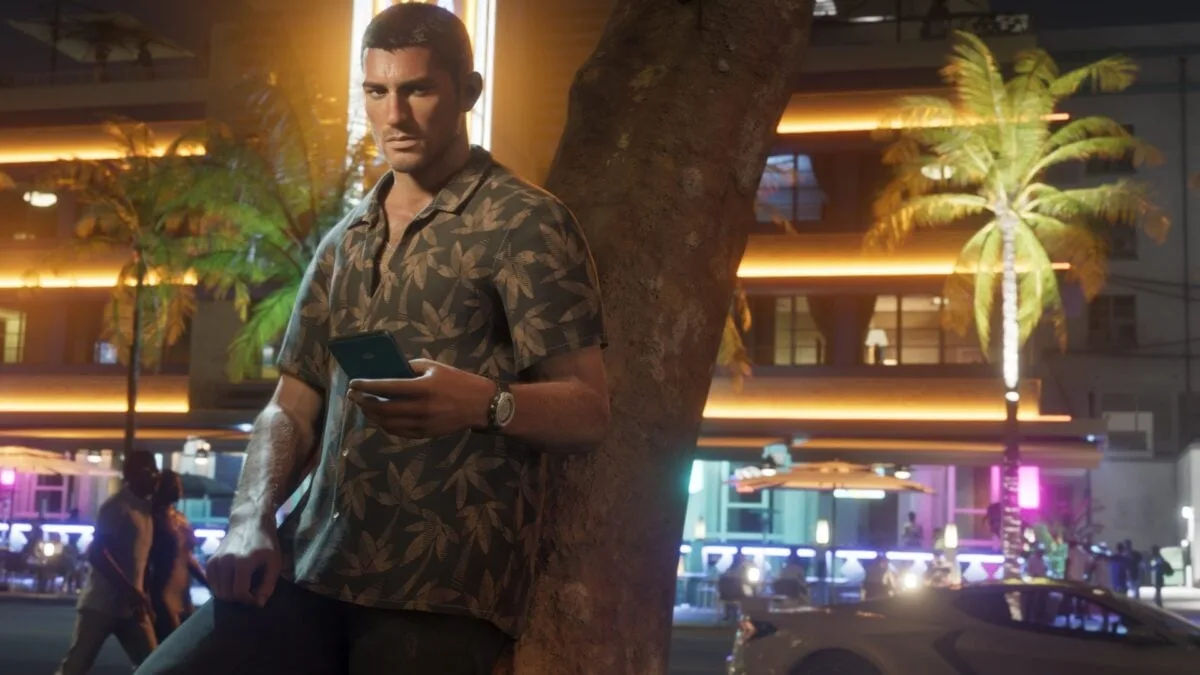
A Timeline of Recent GTA 6 Information (Real, Fake, and In-Between)
To understand the “Alligator” leak’s place in the cosmos, one must survey the chaotic recent history of GTA 6 information. The baseline is the seismic September 2022 source code leak, an unprecedented breach that showed raw, early gameplay and set a new standard for what a damaging leak could be.
The landscape since has been a minefield of credibility:
- November 2025: Credible concept footage from an ex-Rockstar employee’s demo reel leaked online, offering a clear, professional look at character and environment designs before being swiftly taken down.
- February 2026 (The Fake): A “gameplay” video circulated, claiming to show a mission. It was widely and quickly debunked due to AI-generated menu assets, glaring spelling errors (“Grand Theft Auto Vl”), and an inconsistent art style.
- February 2026 (The Real): Almost simultaneously, legitimate leaks of several music tracks slated for the game’s in-game radio stations occurred. These high-quality audio files passed community verification with ease.
This pattern creates a stark dichotomy: visually, the pipeline is flooded with fakes and low-value scraps, while the audio domain has produced verified, high-fidelity content.
The "Why Now?": Motives and the Lifecycle of a Leak
The central puzzle of the “Vice City Alligator” leak is motivation. Why release a four-year-old clip of a bridge? Several theories emerge from industry observation.
First is clout-chasing in a dry period. With official news from Rockstar remaining silent, the hunger for any morsel is immense. Releasing even a null piece of content linked to GTA 6 guarantees instant, global attention across gaming forums and social media.
Second is an attempt at borrowed credibility. By explicitly dating the footage to the 2022 era—the last time major, real leaks occurred—the leaker may be trying to attach their clip to a period of proven authenticity. It’s an effort to bypass skepticism by association.
Finally, it could simply be performance art or trolling, exploiting the community’s own hype cycle for amusement. This act highlights the concept of “leak fatigue,” where a constant barrage of dubious claims forces the community to become more adept, and more cynical, in its evaluation.
The disparity between audio and visual leaks also has a logical basis in development pipelines. As industry analysts noted following the February music leaks, audio assets involving external partners—musicians, voice actors, radio hosts—are often finalized and shared outside Rockstar’s fortress-like internal security earlier. These partners may be less accustomed to the draconian NDAs of the games industry, creating more potential points of failure. Secure visual assets, however, remain on locked-down internal systems until the last possible moment.
Reading the Tea Leaves: What Leaks Actually Tell Us About GTA 6's Release
While the “Alligator” clip is noise, the broader pattern of information flow is becoming a signal. Rockstar’s historical marketing strategy for tentpole releases is well-established: a final, bombastic cinematic trailer followed by a deep-dive gameplay showcase. Industry speculation, cited in multiple reports, consistently points to a potential gameplay reveal in the late summer or fall of 2026.
The consistent trickle of legitimate music leaks is particularly telling. It suggests the game’s expansive soundtrack and radio world-building are in a finalized, external-facing state—a milestone that typically occurs in the final phases of polish before a marketing blitz. Visual leaks, whether real scraps like the 2025 concept art or fakes like the February AI video, create chaos but little insight. The audio leaks, however, quietly confirm that the mammoth project is moving toward completion.
This indicates we are transitioning from the era of shocking, foundational leaks (like 2022’s) into the pre-marketing phase. The gates are not yet open, but the external contractors are listening to the final mix.
The “Vice City Alligator” leak will be remembered as a curious footnote in the saga of GTA 6—a social media artifact more revealing of fan culture than of game development. Its true significance lies in what it represents: a maturation of the rumor cycle. The community and press have been trained by fire, learning to separate the signal of verified music files and credible concept art from the noise of blurry bridges and AI-generated fakes. Its creation and reception stand as the ultimate testament to a community so starved for information that even a four-year-old digital ghost can stir a global conversation.
The most reliable information from here will inevitably come from Rockstar itself. The chaotic era of major, disruptive leaks may finally be giving way to the controlled, calculated spectacle of an official marketing campaign. When the real trailer drops, set to a track we might have already heard, the four-year-old clip of a bridge will fade into the marsh, a tiny relic from the final days of the great wait.
Tags: GTA 6, Rockstar Games, Video Game Leaks, Gaming Rumors, Grand Theft Auto