GTA 6's Handcrafted World: Why Take-Two Says Generative AI Plays "Zero Part" in Rockstar's Masterpiece
The gaming industry is currently holding its breath, caught between two powerful technological currents. On one side, generative AI promises a revolution, offering tools to automate, accelerate, and...

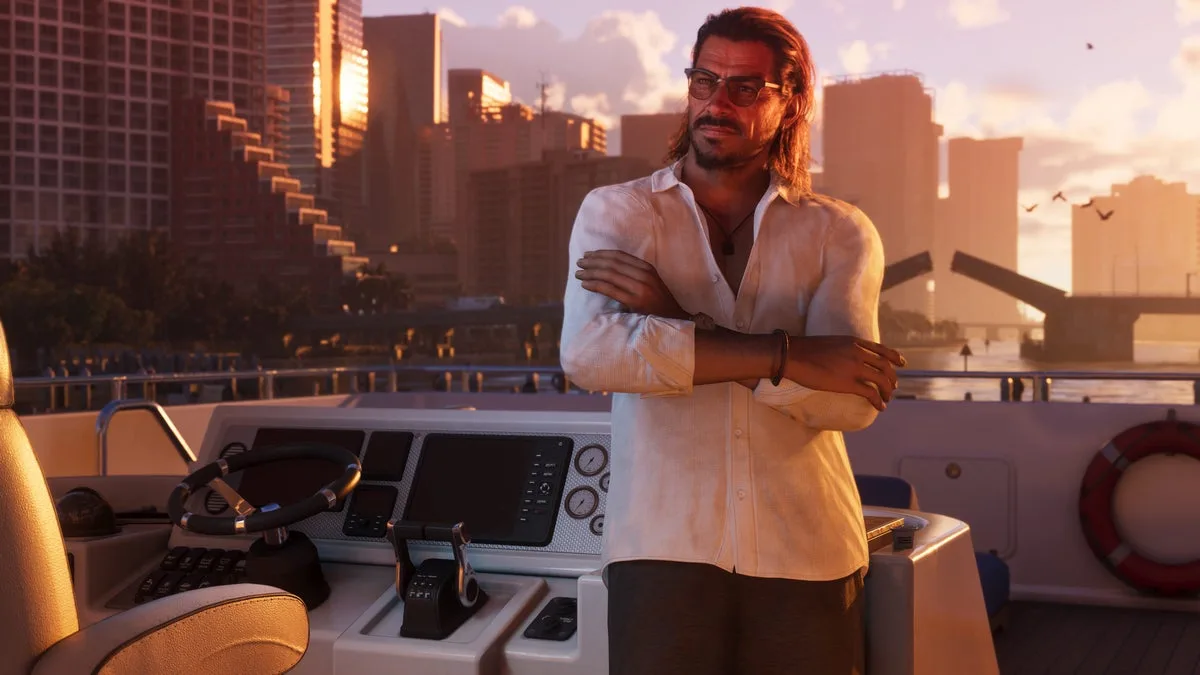
The gaming industry is currently holding its breath, caught between two powerful technological currents. On one side, generative AI promises a revolution, offering tools to automate, accelerate, and potentially democratize the creation of vast digital worlds. On the other, the traditional, painstakingly human craft of building blockbuster experiences continues to deliver unprecedented success. This tension came to a head recently when Strauss Zelnick, CEO of Take-Two Interactive, delivered a definitive statement that cut through the hype. Amidst widespread internal adoption of AI across his company, he declared the technology has "zero part" in the development of Grand Theft Auto 6. In an era rushing headlong into an AI-powered future, why is Rockstar Games deliberately choosing a different, handcrafted path for its most important project? The answer reveals a nuanced corporate strategy and speaks volumes about the enduring philosophy behind the pinnacle of AAA game creation.
The Definitive Statement: "Zero Part" in GTA 6
The message from the top was unambiguous. Speaking to investors, Strauss Zelnick directly addressed the role of generative AI in the development of the decade's most anticipated title. "Generative AI has zero part in the development of Grand Theft Auto 6," he stated, leaving no room for speculation. This wasn't a dismissal of the technology's potential elsewhere, but a clear boundary drawn around Rockstar's creative process.
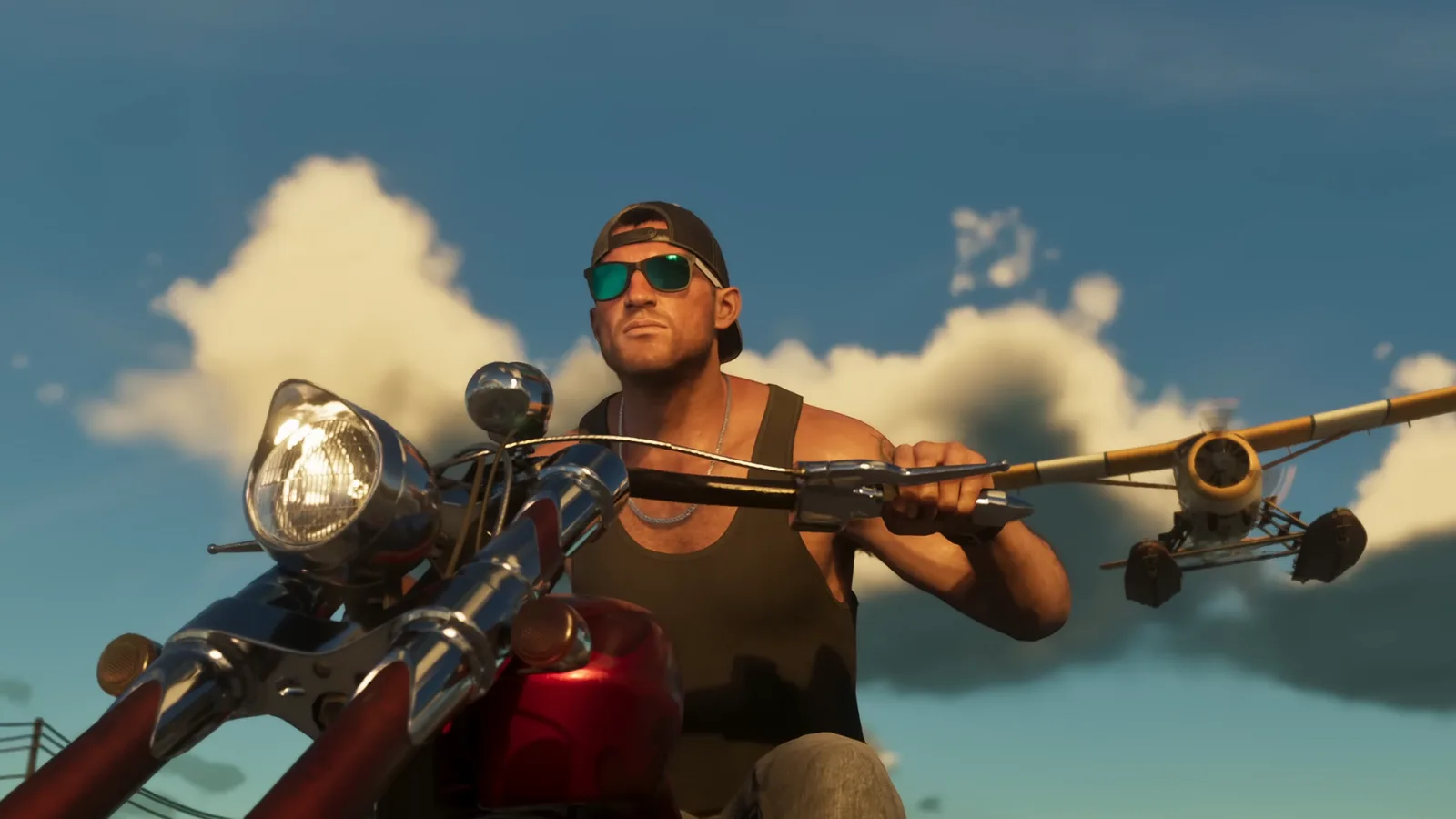
Zelnick's reasoning is rooted in a core philosophy that has defined Rockstar's success. He emphasized that the studio's iconic worlds are "handcrafted and built from the ground up," explicitly contrasting this approach with procedural generation. For Zelnick and, by extension, Rockstar, this meticulous human curation is the non-negotiable ingredient for greatness. "I just don't believe that an AI tool is going to create a great entertainment property," he elaborated.
This philosophy translates into the dense, deliberate detail players expect: every overheard conversation, satirical billboard, and seemingly random pedestrian encounter is placed with intent to build a cohesive, immersive, and commentary-rich world—a level of curated nuance generative AI currently struggles to replicate. The implication is clear: while AI can replicate patterns and generate assets, the soul of a Grand Theft Auto game stems from a singular human creative vision. This statement positions GTA 6 not just as a product, but as a deliberate artifact of human artistry in a digital age increasingly fascinated with automation.

The AI Paradox: Take-Two's Widespread Internal Adoption
This firm stance on GTA 6 creates a fascinating paradox, because Take-Two is anything but an AI skeptic. In fact, the company is deeply invested in the technology across its vast portfolio of studios and labels. Zelnick revealed that Take-Two currently has "hundreds of pilots and implementations" of AI actively running within the organization.
The key lies in the application. While generative AI is barred from the core creative forge of GTA 6, it is being aggressively deployed as a supportive tool for efficiency elsewhere. The stated corporate goal is to use these technologies to "drive efficiencies, reduce costs, and free up creators" from repetitive, mundane tasks. Imagine AI assisting with localization, generating placeholder audio, automating certain QA checks, or streamlining backend tools. The vision is a pragmatic one: let machines handle the scalable, tedious work, thereby liberating human talent to focus on high-level design, narrative, and the creative polish that defines premium experiences. This dual-track approach shows a company strategically embracing AI's utility while fiercely protecting the sanctity of its flagship creative process.
Market Jitters: Why Investors Are Watching AI Closely
This internal, efficiency-focused adoption of AI exists within a broader industry landscape where its potential is viewed with both excitement and trepidation—a tension recently made visible on Wall Street. Zelnick's clarifying comments followed closely on the heels of Google's rollout of "Project Genie," an AI research prototype capable of generating interactive, playable worlds from simple prompts or images. The market's reaction was swift and telling: stock prices for several major game publishers, including Take-Two and CD Projekt Red, experienced a noticeable dip.
This investor anxiety illuminates the high-stakes perception surrounding AI in gaming. The concern, however nascent, is that such technology could fundamentally disrupt the traditional, high-cost, high-risk development model that companies like Take-Two have mastered. If AI can someday generate compelling content at a fraction of the time and cost, what happens to the economic moat built by studios that spend half a billion dollars and thousands of person-years on a single title? Zelnick's reassurance that GTA 6 remains a handcrafted endeavor was, therefore, a strategic necessity. It was a signal to the market that Take-Two's crown jewel is insulated from this disruptive fear, reinforcing the value of its proven, human-centric model even as the company explores efficiency tools on other fronts.
The GTA 6 Roadmap: Confirmed Details Amidst the AI Discussion
Amidst this high-level discussion about the future of game development, Zelnick also reaffirmed concrete, eagerly awaited details about Grand Theft Auto VI itself. The release window remains firmly on track for November 19, 2026, targeting PlayStation 5 and Xbox Series X|S consoles. In an era where digital storefronts dominate, Take-Two confirmed a physical release for the title, a nod to collector culture and tangible ownership.
Furthermore, the company outlined the next phase of the hype cycle: the full marketing campaign is slated to begin in the summer of 2026. This sets the stage for the final, global rollout in the fall, promising a barrage of trailers, previews, and details that will undoubtedly dominate gaming discourse. These confirmations serve as grounding pillars, reminding fans that while the boardroom discusses AI paradigms, the concrete reality of a new Grand Theft Auto experience is steadily approaching.
Take-Two Interactive is navigating a deliberate and calculated dual path. Company-wide, it is embracing AI as a powerful engine for operational efficiency, seeking to streamline development pipelines and reduce overhead. Yet, for its most valuable asset, Grand Theft Auto 6, the company is doubling down on a different kind of value: the irreplaceable craft of human creativity. This isn't a Luddite rejection of technology, but a powerful declaration that at the zenith of interactive entertainment, curated, intentional, and handcrafted experiences remain the ultimate differentiator.
The answer to why Rockstar is choosing this path, then, is clear: to protect the unique alchemy of detail, satire, and soul that defines its brands. The launch and reception of GTA 6 in 2026 will provide more than just a new chapter in open-world gaming; it will stand as a monumental case study in the ongoing debate between automated scale and human artistry, testing whether the market's greatest rewards still lie in worlds built by hand.