God Save Birmingham: How a Hardcore Medieval Zombie Simulator Secured Its Future in 24 Hours
In an industry where development cycles stretch for years and financial uncertainty looms over even the most promising projects, one game’s debut has rewritten the rulebook. God Save Birmingham , a...

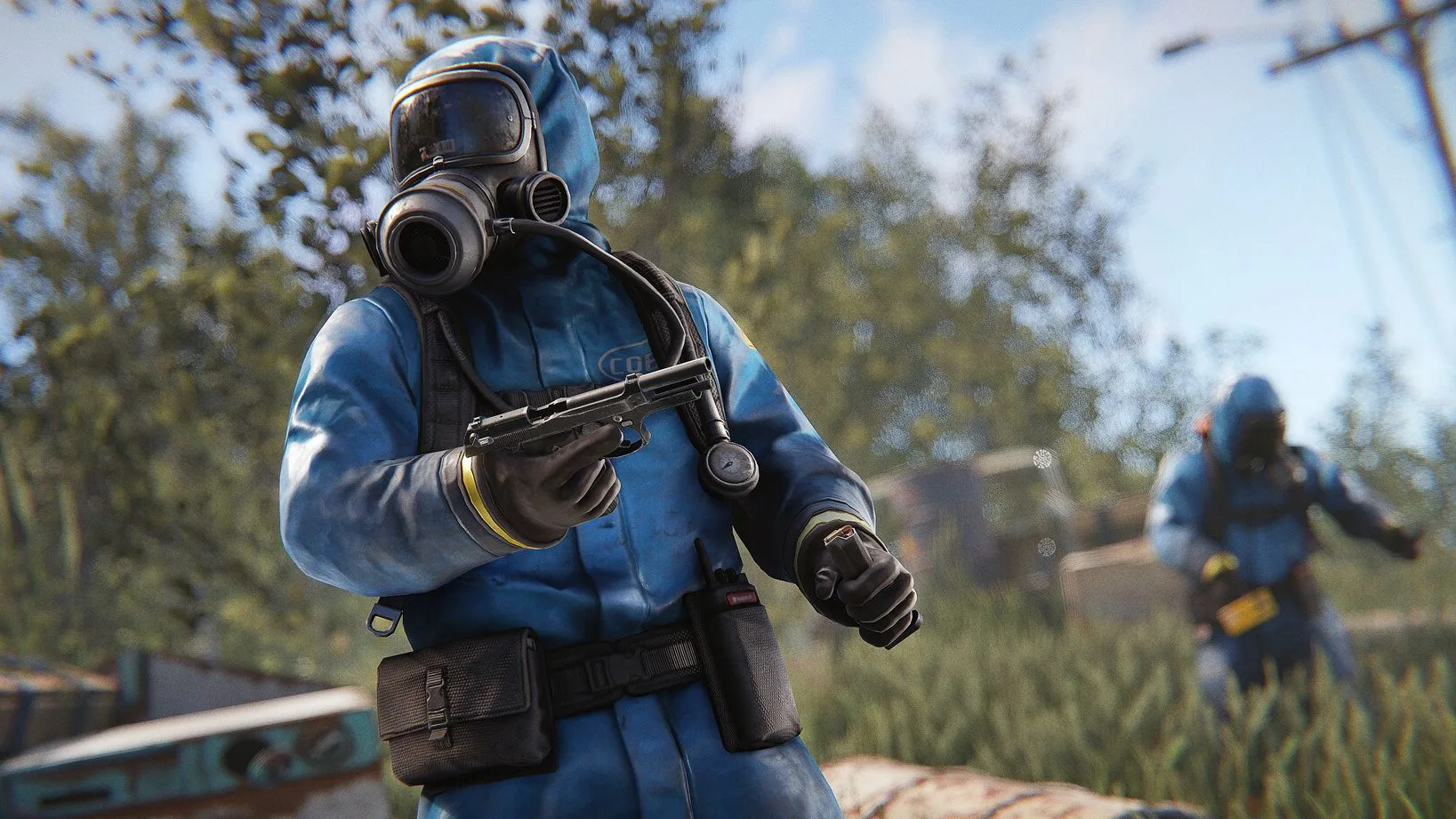
In an industry where development cycles stretch for years and financial uncertainty looms over even the most promising projects, one game’s debut has rewritten the rulebook. God Save Birmingham, a hardcore medieval zombie survival simulator from Ocean Drive Studios, achieved a feat most indie developers only dream of: it generated enough revenue in its first 24 hours on sale to fund its development for “years and years to come,” according to the developer. This explosive start followed a prominent pre-alpha showcase at PAX East 2026, catapulting the title from a curious showfloor demo to a commercially viable project overnight. In a genre saturated with crafting-focused adventures and post-apocalyptic vistas, this immediate success begs the question: what is it about this historically-researched, brutally scavenge-centric vision of 14th-century undead horror that has resonated so powerfully, so quickly?
Deconstructing the "Deadly Twist"
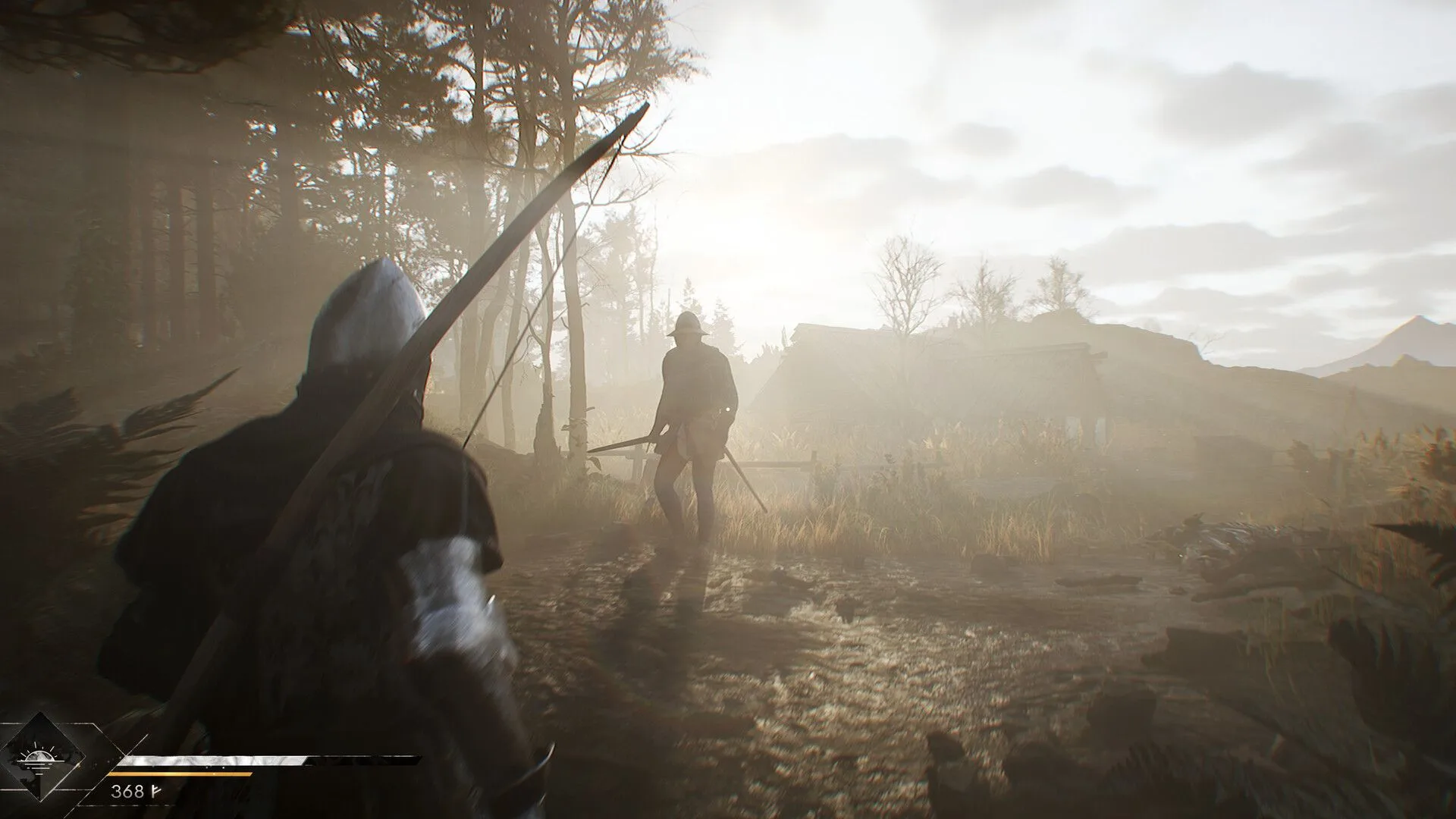
At its core, God Save Birmingham presents a stark and specific fantasy. The game is set not in a generic fantasy realm or a modern city, but in a meticulously researched recreation of 14th-century Birmingham, England, during a zombie outbreak. This historical grounding is more than a backdrop; it informs every punishing system.
The primary gameplay twist that defines the experience is a radical departure from standard survival genre tenets: a heavy, uncompromising emphasis on scavenging over crafting. Players cannot simply gather sticks and stones to craft a basic axe or hammer. Instead, they must explore the decaying medieval settlement to find these essential tools. This philosophy extends to base-building, where the goal is not to construct new fortresses from raw materials, but to fortify existing structures—barricading doors, reinforcing walls, and turning the ruins of the old world into a defensible holdout.
Combat complements this scavenger’s ethos. Eschewing fluid, arcade-style action, the game employs physics-based combat with a dedicated zombie grapple mechanic. The intent is to create a visceral, desperate feel where every encounter is a risky struggle for survival, not a power fantasy. You don’t clear hordes; you desperately fend off individual threats with whatever heavy, unwieldy implement you were lucky enough to find.
This brutal, scavenger-centric design isn't just a twist on mechanics; it's a deliberate bet on a specific player desire within a genre that, while crowded, is constantly seeking fresh innovation.
A Crowded Crypt: The Modern Survival Game Landscape
God Save Birmingham’s triumph is even more striking when viewed against the backdrop of the modern survival genre, one of gaming’s most vibrant and competitive spaces. Recent years have seen monumental successes that have expanded the audience, from the creature-collecting phenomenon of Palworld (2024) to the tense horror of Sons of the Forest (2024) and the clever sci-fi of Abiotic Factor. The genre is in a constant state of renewal, with titles like Grounded 2 slated to enter Early Access in July 2025.
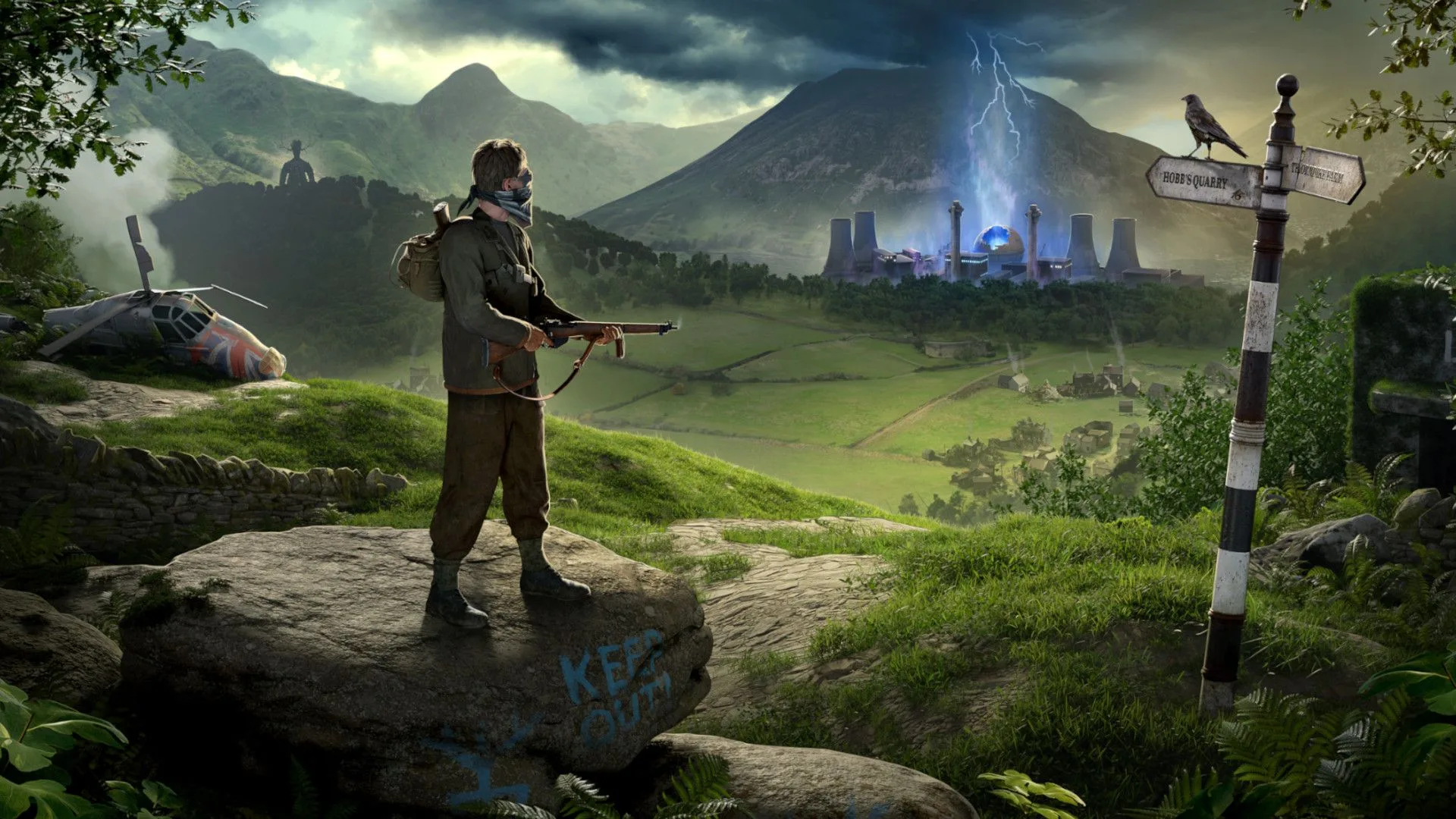
Within this broad church exists a dedicated niche for "hardcore" survival—games defined by persistent consequences, deep systems, and unforgiving difficulty. Titles like Project Zomboid and Escape from Tarkov have set the benchmark here, cultivating fiercely loyal communities. Crucially, God Save Birmingham is not entering a vacant niche. It arrives alongside a wave of innovative peers also pushing the genre forward: the announced bunker-management RPG From The Bunker (targeting 2026), Rebellion’s dystopian 1960s England adventure Atomfall (planned for Early 2025), and the highly anticipated medieval co-op horror Blight: Survival, which has already amassed a staggering 1.5 million Steam wishlists. The battlefield for survival gamers’ attention is more crowded than ever.
The Road to PAX and Beyond: Development & Reception
The decision by Ocean Drive Studios to showcase a pre-alpha build at PAX East 2026 was a strategic masterstroke. PAX East remains one of the industry’s premier events for generating grassroots buzz and connecting directly with core players. Presenting the game’s unique, hands-on scavenging loop in this environment allowed its vision to cut through the noise, translating palpable showfloor interest into digital momentum.
The subsequent "24-hour" financial success is a powerful market signal. In modern game launches, particularly on platforms like Steam, strong first-day sales are often the result of highly effective wishlist conversion. It indicates that the game’s premise, marketing, and PAX presentation successfully built a committed audience ready to buy at the earliest opportunity. While Blight: Survival’s 1.5 million wishlists show the scale of interest in the medieval horror space, God Save Birmingham’s immediate revenue demonstrates an audience willing to financially commit to a specific, hardcore take on it.
This windfall, if managed as the developer indicated, fundamentally alters the project’s trajectory. The studio stated this revenue secures the runway needed for long-term development. Instead of scrambling for funding or being forced to scale back ambitions, the team can now focus on polish, content, and fully realizing their uncompromising vision. The pressure to monetize early or pivot is alleviated, replaced by the privilege of building the game they promised.
What Early Success Tells Us About Player Tastes
The resonance of God Save Birmingham offers a fascinating snapshot of evolving player appetites within the survival genre. First, it suggests a growing hunger for historically-grounded settings that move beyond the standard post-apocalyptic wasteland or high-fantasy realm. The gritty, tangible reality of 14th-century England provides a fresh and immersive backdrop that lore alone cannot replicate.
Second, the enthusiastic response to its "scavenging over crafting" core reveals a player desire for more grounded and challenging survival loops. For a segment of the audience, the creative power fantasy of building a log cabin from scratch has been replaced by a craving for the tense, immersive realism of desperately searching a derelict building for a single usable tool. It prioritizes historical verisimilitude and environmental storytelling over limitless player agency.
Ultimately, the game’s early win serves as a potent reminder that in a saturated market, a clearly defined and uncompromising vision can find a dedicated and financially supportive audience. God Save Birmingham did not attempt to be everything to everyone. It doubled down on a specific, brutal, and historically-aware fantasy, and a significant number of players rewarded that confident specificity with their support.
God Save Birmingham now occupies a unique and enviable position. It has transformed from a promising PAX demo into a financially secure project with a proven audience, all by committing to a harsh, scavenger’s vision of medieval horror. Its success story injects a compelling new contender into the future of the survival genre—one that promises desperation over dominion, historical grit over fantasy, and the profound tension of finding rather than forging. With its future secured, all eyes turn to Ocean Drive Studios to deliver on the brutal, immersive promise that captivated players and funded their ambition in a single day. The foundation for its legacy was not forged over years, but secured in a single day—a testament to the power of a clear, brutal, and utterly specific vision.