God of War's Bold New Era: Sons of Sparta 2D Release and the Original Trilogy Remake
(Editor's Note: This article is a speculative draft envisioning a potential future announcement for the God of War franchise's 20th anniversary in 2026.) Sony's February 2026 State of Play ended with...

(Editor's Note: This article is a speculative draft envisioning a potential future announcement for the God of War franchise's 20th anniversary in 2026.)
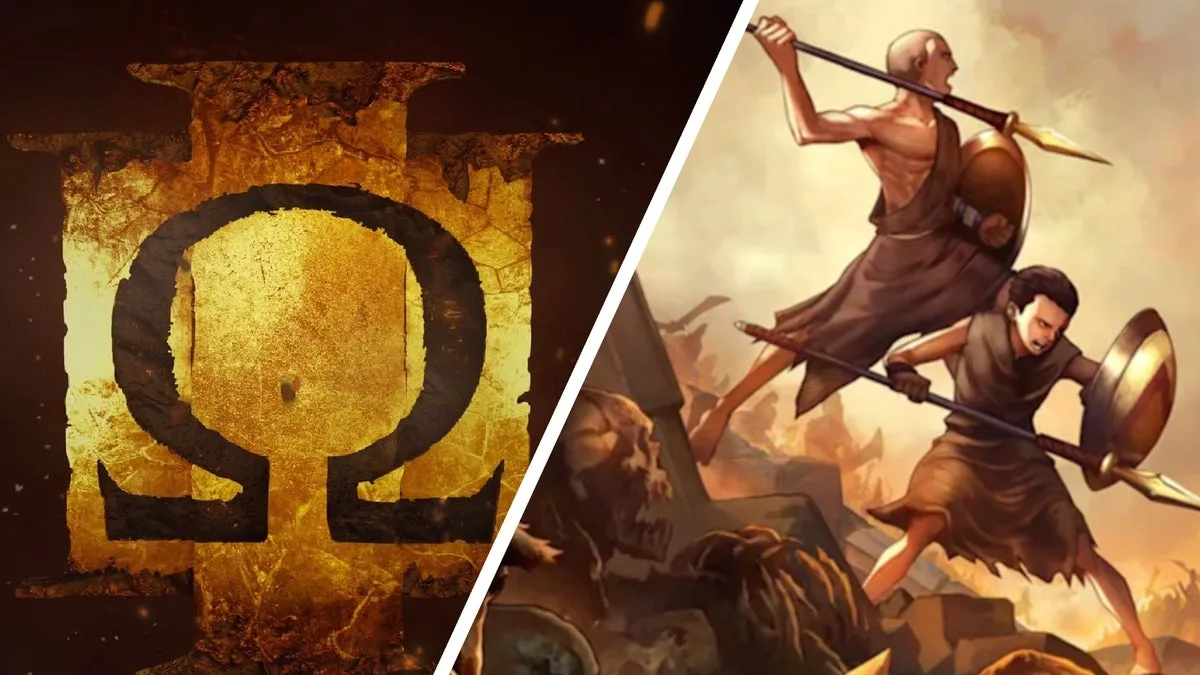
Sony's February 2026 State of Play ended with a shocker for God of War fans: not just an announcement, but an immediate release. God of War: Sons of Sparta, a radical 2D pixel-art prequel, was available to download the moment the showcase ended. This surprise launch was paired with a monumental promise for the future: a full remake of the original PS2/PS3 trilogy. Together, these announcements formed a masterful one-two punch, capping off the franchise's 20th-anniversary celebrations by honoring its past in two distinct ways—through an experimental, intimate new story and the pledged resurrection of its foundational epics.
God of War: Sons of Sparta – A Canonical Dive into Kratos's Past
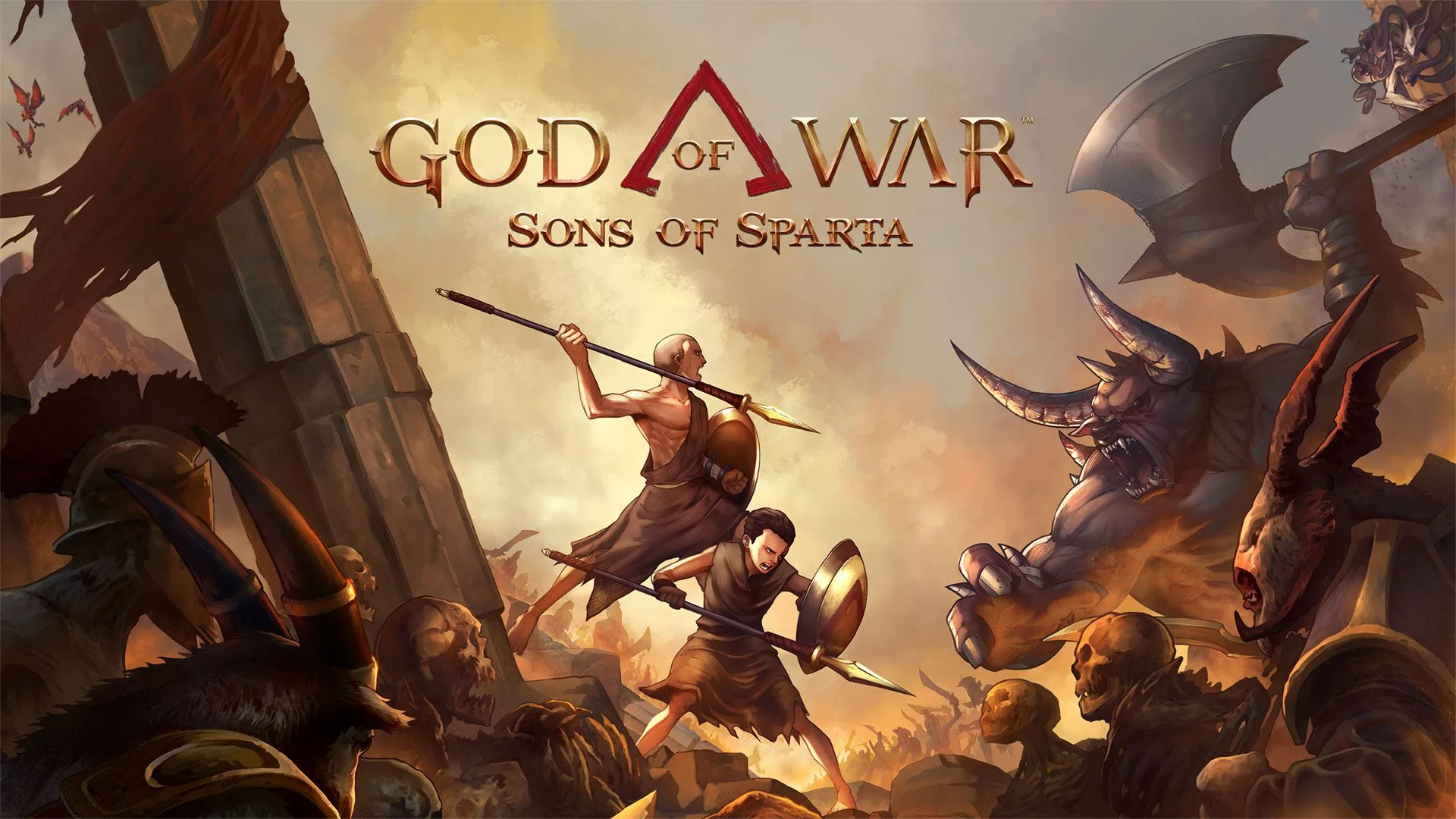
God of War: Sons of Sparta is not a spin-off or a mere curiosity. It is a canonical entry in the series, drilling down into a formative, brutal chapter of Kratos’s life rarely seen: his youth during the Spartan Agoge. The game focuses on the intense military training Kratos endured alongside his brother, Deimos, exploring the themes of duty, honor, and fractured brotherhood that would forever shape the man—and monster—he would become.
The most immediate and striking departure is its presentation. Abandoning the cinematic, over-the-shoulder perspective of the recent Norse saga, Sons of Sparta is a 2D side-scrolling action platformer. Its world is rendered in beautifully detailed pixel art and hand-drawn animation, a stylistic leap that recontextualizes Kratos’s rage within a classic gaming framework. This isn't just a visual shift; it's a fundamental reimagining of how a God of War story can be told, trading sheer scale for intimate, side-scrolling brutality.
Adding a powerful layer of authenticity is the emotional return of TC Carson. For the first time in over a decade, the original voice of Kratos from the Greek saga is back, not as the playable young Spartan, but as the narrator—the older, wiser, and weary Ghost of Sparta reflecting on his past. His iconic voice provides a haunting through-line, connecting this pixelated prequel directly to the epic tragedies that followed.
Gameplay, Release, and What You Get
This new format demands new rules of engagement. Combat in Sons of Sparta is built around the tools of a young Spartan hoplite: a spear and shield. This creates a more tactical, measured pace compared to the chaotic fury of the Blades of Chaos. Players will also wield divine artifacts known as the Gifts of Olympus, introducing strategic supernatural abilities to the 2D combat arenas. The enemy roster is a compelling mix, featuring both new creatures born of Greek myth and cleverly reimagined classic foes adapted to the side-scrolling perspective.
The biggest surprise? You don’t have to wait. Announced during the State of Play, God of War: Sons of Sparta was released immediately on February 12, 2026. It is available to download right now exclusively on PS5 via the PlayStation Store.
The game offers two editions:
- Standard Edition: Priced at $29.99 USD / €29.99 / £24.99.
- Digital Deluxe Edition: Priced at $39.99 USD / €39.99 / £32.99, this upgrade includes a digital artbook showcasing the stunning pixel art and a digital soundtrack, perfect for fans who want to dive deeper into this unique project.
The Creative Force Behind the Pixels
The development of Sons of Sparta signals a fascinating new direction for Sony’s first-party strategy. The title was crafted by Mega Cat Studios, a renowned indie developer celebrated for its authentic retro-style games, in close partnership with the franchise steward, Santa Monica Studio. This collaboration is significant. It demonstrates a willingness to entrust iconic, blockbuster IP to specialized external teams to explore new genres and artistic styles. The result is a game that carries the weight of God of War’s narrative legacy but pulses with the distinct heart of a passionate indie project, proving the franchise’s identity can thrive beyond the AAA cinematic template.
The Future: A Remake of the Original Trilogy
If Sons of Sparta is the satisfying immediate gift, the other announcement is the breathtaking promise for the future. Sony confirmed that a full remake of the original God of War trilogy—encompassing God of War (2005), God of War II (2007), and God of War III (2010)—is officially in the works.
It is crucial to temper immediate expectations, however. The announcement came with a clear disclaimer: the project is in the very early stages of development. No release window, target date, or even a sliver of teaser footage was shown. This was a pure, strategic announcement of intent. Its significance, however, cannot be overstated. For the legion of fans who yearn for the unapologetic, high-octane spectacle of the Greek saga—its towering boss fights, intricate puzzles, and raw, vengeful narrative—this is a dream long deferred, now formally acknowledged. As the final major reveal of the 20th-anniversary celebration, it serves as the ultimate nod to the trilogy that built the legend.
Analysis: A Dual Strategy for a Legacy Franchise
Together, these two announcements reveal a masterful dual strategy for managing a legacy franchise two decades strong.
- Sons of Sparta acts as an immediate, experimental, and narrative-focused celebration. It’s a lower-risk, high-reward project that explores uncharted gameplay territory while fleshing out canonical lore. It’s a treat for dedicated fans and a potentially more accessible entry point for newcomers intrigued by the style. Its release right now capitalizes on anniversary hype with a tangible product.
- The trilogy remake, in stark contrast, is the long-term, large-scale preservation project. It is the commitment to modernizing the foundational texts for contemporary hardware and audiences, ensuring Kratos’s original odyssey isn’t lost to aging technology. It addresses the perennial fan request head-on and secures the franchise’s historical legacy.
This one-two punch expertly caters to different segments of the fanbase: one group gets a fresh, inventive story to play today, while another gets the confirmed promise that the classics they love will be gloriously reborn. It showcases a franchise confident enough to pivot to pixel art for a meaningful story, while simultaneously preparing to rebuild its most monumental pillars from the ground up.
February 2026 represents a pivotal moment for God of War. With Sons of Sparta, a compelling and heartfelt new chapter is already waiting, proving the Ghost of Sparta’s story has compelling new dimensions to explore. With the solemn vow to remake the original trilogy, the franchise guarantees its legendary, rage-fueled origins will live again. This dual approach—offering a bold, intimate experiment while preparing to resurrect its epic foundations—could well become a blueprint for how legacy franchises honor their history while fearlessly evolving.
Tags: God of War, Sons of Sparta, Kratos, Video Game Remake, Pixel Art, PlayStation 5, State of Play