God of War's 20th Anniversary: Sons of Sparta Shadow-Drop and Greek Trilogy Remake Confirmed
God of War's 20th Anniversary: A Hypothetical Blueprint for the Ultimate Celebration Imagine a PlayStation State of Play that doesn't just announce news but redefines how a legendary franchise...

God of War's 20th Anniversary: A Hypothetical Blueprint for the Ultimate Celebration
Imagine a PlayStation State of Play that doesn't just announce news but redefines how a legendary franchise celebrates a milestone. As the God of War series approaches its 20th anniversary, a hypothetical 2026 broadcast could deliver a masterclass in fan engagement. This speculative vision sees publisher Sony and developer Santa Monica Studio executing a dual-axis strategy: delivering an immediate, stylistically daring new experience while finally confirming the long-held dream of revisiting the series' origins. Such a one-two punch would cater to potent nostalgia while boldly experimenting with the IP's identity, setting a new standard for legacy celebrations.
God of War: Sons of Sparta - A Canonical Shadow-Drop
The hypothetical event could open with a stunning surprise: the immediate, shadow-drop release of a brand-new, canonical title. God of War: Sons of Sparta would be available to download on PS5 the moment its trailer concludes—a rare and thrilling maneuver that would instantly transform an announcement into a global gaming event.
This would not be the cinematic, over-the-shoulder epic of the Norse saga. Instead, Sons of Sparta is envisioned as a lovingly crafted 2D Metroidvania presented in a striking 16-bit pixel art style. Its narrative would be a crucial piece of franchise lore, delving into a previously unexplored chapter: the youth of Kratos and his brother Deimos during their brutal training at the Spartan Agoge. Crucially, this story would be penned by the core Santa Monica Studio narrative team behind the modern titles, ensuring its place as essential canon and a meaningful expansion of Kratos’s tragic origins.
The gameplay would forge its own identity, centered on a spear and shield—a deliberate departure from the iconic Blades of Chaos, reflecting Kratos’s early martial training. Players would master this toolkit while utilizing special artifacts known as the "Gifts of Olympus" to unlock new abilities and areas. The bestiary would feature cleverly reimagined 2D versions of classic Greek-era enemies alongside new creatures from mythology.
The most resonant legacy element would be auditory. In this vision, TC Carson, the original voice of Kratos from the Greek trilogy, would return to the role. Here, he would voice an older, narrating Kratos reflecting on his past, lending the pixelated adventure a profound weight that directly bridges the franchise’s eras.
From a practical standpoint, this project could be a collaborative effort, developed by an experienced studio like Mega Cat Studios under Santa Monica's creative supervision. With a T for Teen ESRB rating, it would offer a distinct, accessible entry point. A Standard Edition could be priced at $29.99, with a $39.99 Digital Deluxe Edition including bonus items, a digital artbook, soundtrack, and a Young Kratos PSN avatar.
The Big Confirmation: Remaking the Greek Trilogy
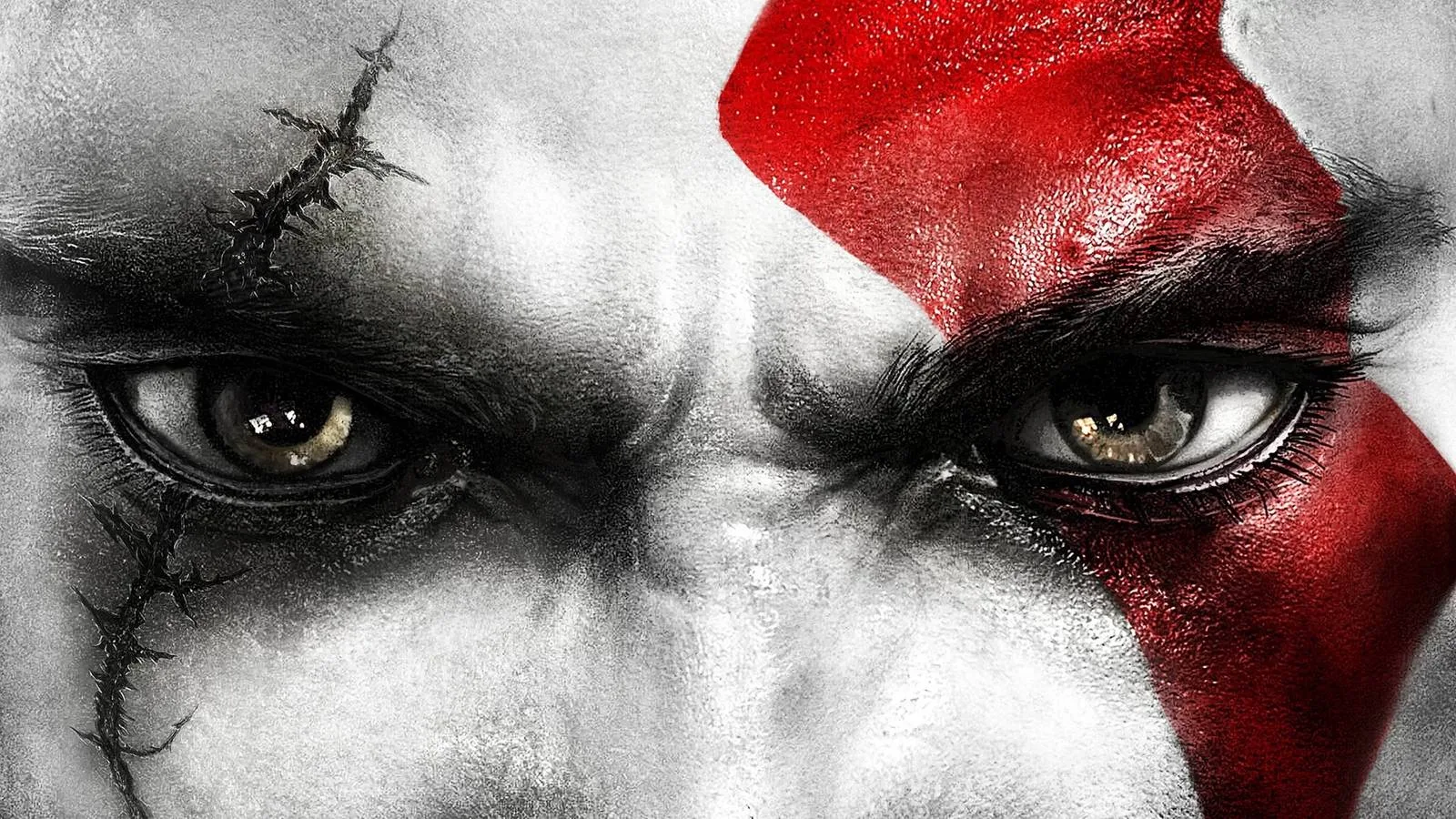
If the shadow-drop represents thrilling immediacy, the next announcement would be the gift for the future. Santa Monica Studio could officially confirm the project fans have debated for years: a full remake of the original Greek trilogy (God of War 2005, God of War II 2007, and God of War III 2010).
Managing expectations would be key. The studio would likely state the project is in its "very early stages" of development, providing no release window or specific gameplay details. This transparency would frame the announcement as a promise and a commitment rather than a soon-to-be-released product.
The confirmation would come with one foundational detail for the faithful: TC Carson would be confirmed to return as the voice of Kratos for these remakes. This decision would honor the performance that defined the Ghost of Sparta for a generation and signal an intent to preserve the visceral soul of the originals. Remaking this trilogy would be more than a technical upgrade; it would be a cultural re-examination of the games that defined a character and established a template for cinematic action-adventure.
A 20th Anniversary Celebration and Strategic Vision
Together, these announcements would form the masterful capstone to the franchise’s year-long celebration. They represent a clear, dual-axis strategy for stewarding one of gaming’s most valuable IPs. Sons of Sparta would be immediate fan service—a novel, accessible experience that explores uncharted narrative territory in a beloved genre, demonstrating a willingness to let God of War breathe outside the AAA blockbuster format.
Conversely, the Greek trilogy remake announcement would be the long-term commitment, a monumental project reaffirming the series’ roots. It would assure the core fanbase that the original, unabashedly brutal saga will not only be preserved but elevated for modern platforms. This one-two punch would reveal a sophisticated vision: a franchise can simultaneously honor its past with reverence and confidently experiment with its future in different genres and scales.
This speculative blueprint for a 2026 celebration does more than imagine exciting news. It lays out a potential blueprint for the franchise's next decade. By uniting the iconic voice of the past with bold new gameplay and a pledge to resurrect the original epics, Santa Monica Studio could masterfully bridge every era of Kratos’s saga. The ultimate celebration would prove that the legacy of Sparta is not just being remembered—it is being actively forged anew, ensuring the Ghost of Sparta's war, in all its forms, can endure without ever diluting its core identity. The question such a strategy poses is as exciting as the announcements themselves: if God of War can successfully span from a 16-bit Metroidvania to a blockbuster trilogy remake, what other frontiers might it conquer next?