God of War Laufey Has Been in the Works for Nearly a Decade - The Inside Story of Faye's Secret Saga
When Deborah Ann Woll first sat down with Cory Barlog in 2018, she expected to discuss a minor role in the upcoming God of War Ragnarok . Instead, Barlog leaned forward and pitched her an entirely...

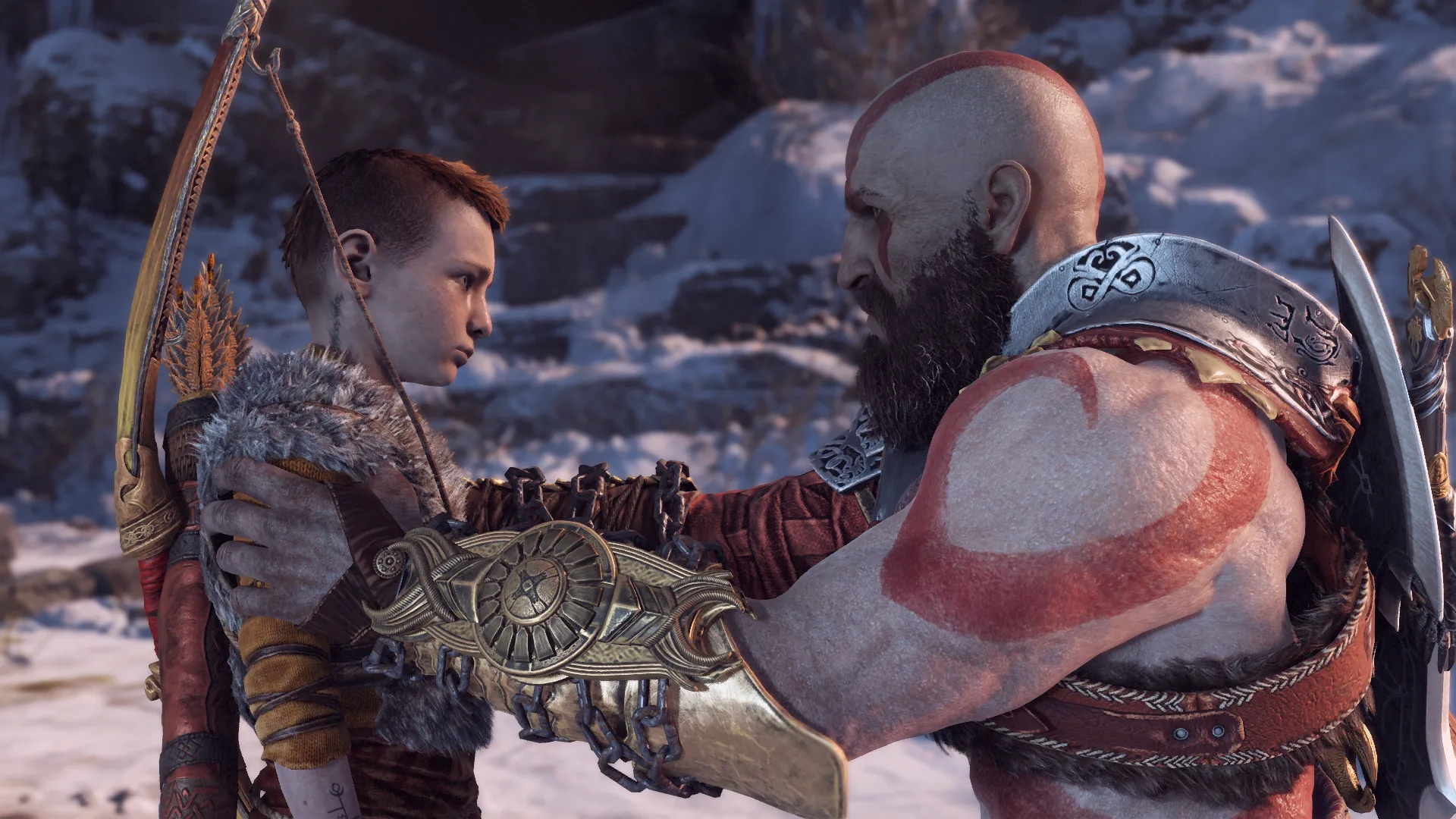
When Deborah Ann Woll first sat down with Cory Barlog in 2018, she expected to discuss a minor role in the upcoming God of War Ragnarok. Instead, Barlog leaned forward and pitched her an entirely separate game, one starring the character she was about to voice in a single flashback. On his office wall hung a finished poster for God of War Laufey, featuring Faye and a gelatinous cube. That was eight years before the game was officially revealed at PlayStation's State of Play in June 2026. For nearly a decade, Woll carried a secret that would redefine the God of War franchise, and Santa Monica Studio quietly built a narrative foundation that players never saw coming.
The Pitch That Stayed Secret, 2018 and the Poster
The seeds of God of War Laufey were planted before the 2018 reboot had even fully settled into the market. Barlog, then director of the critically acclaimed God of War (2018), brought Woll into his office to discuss voicing Faye, the Jötunn warrior and mother of Atreus whose death sets the entire Norse saga in motion. During that meeting, he revealed a poster already hanging on his wall: a visual concept for a game featuring Faye as the protagonist, accompanied by a strange, gelatinous cube named Phranque.
Woll was stunned. She later described the meeting as "unforgettable," recalling that she "knew about this for nearly a decade", a stretch of eight years that feels like a lifetime in game development. The concept had existed internally at Santa Monica Studio even before that 2018 pitch. Barlog had been planning Faye's story long before players ever watched Kratos chop down the marked trees in the opening of God of War (2018). Woll was sworn to secrecy, forced to act as though she knew nothing while God of War Ragnarok was developed and released. She maintained that silence through countless press tours, fan questions, and speculation about Faye's offscreen past.
That level of long-term planning is rare in game development. Most sequels are greenlit after a game ships successfully. But God of War Laufey was conceived as a foundational pillar of the modern saga, not an afterthought. The poster in Barlog's office was a promise he intended to keep.
A Long‑Game Foundation, Not a Spin‑Off
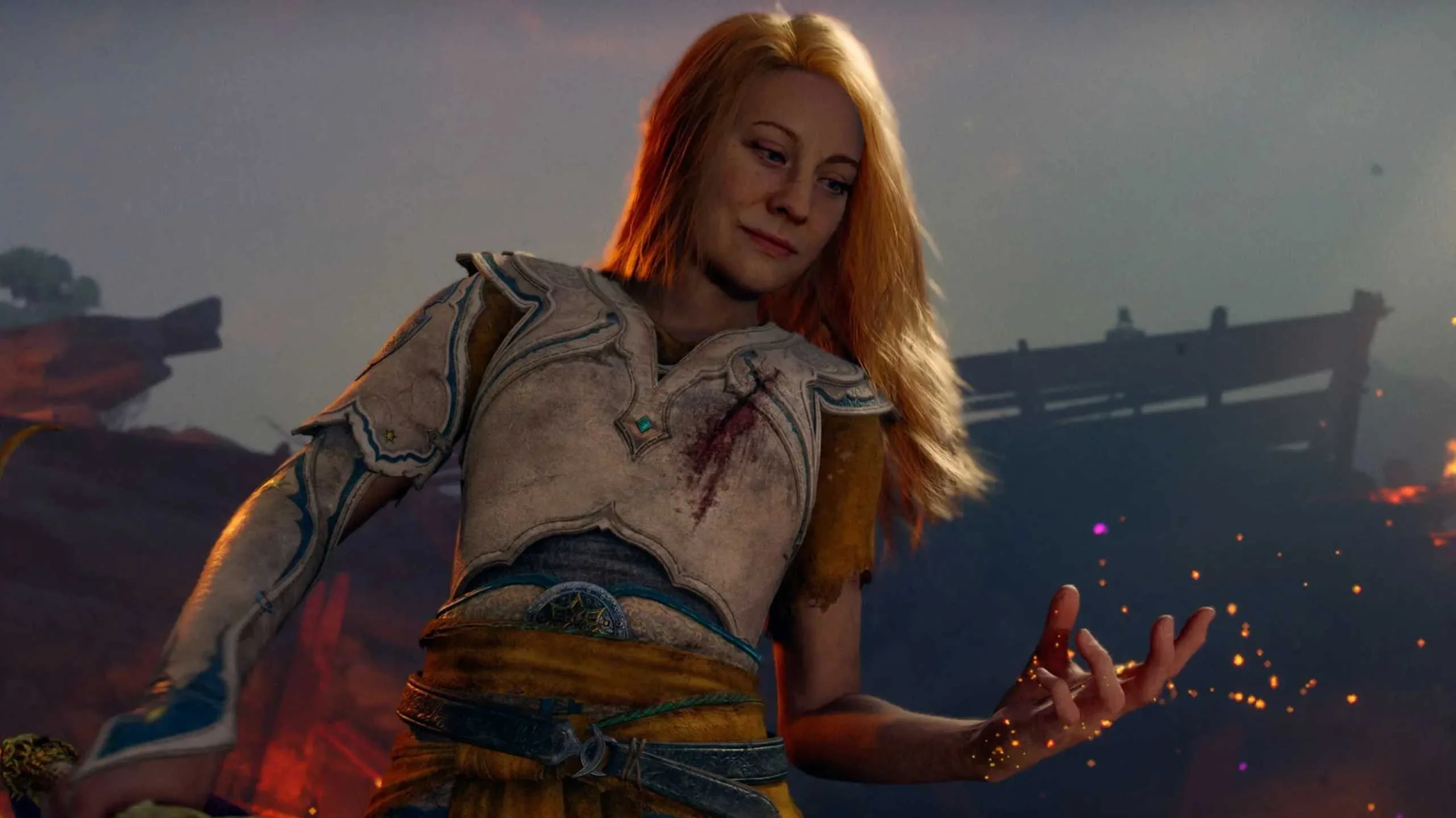
When God of War Laufey was finally revealed on June 2, 2026, some observers called it a spin‑off, the first God of War game not centered on Kratos. But Sony and Santa Monica Studio were emphatic: this is the next mainline entry in the series. Game Director Ariel Lawrence confirmed that Barlog "always knew how important Faye was" to the future of God of War storytelling. The game is not a side project; it is a deliberate expansion of the universe's central mysteries.
Crucially, God of War Laufey runs concurrently with the events of God of War (2018). It begins after Faye's funeral, as she awakens in a strange afterlife dimension called the Everywhen. This parallel timeline allows the game to answer lingering questions from the 2018 title, questions about Faye's hidden past, her relationship with the Jötnar, and the secrets she kept from Kratos and Atreus, without contradicting the established story. Players will see the same events from an entirely different perspective, filling in blanks they may not have realized existed.
By positioning Laufey as a mainline entry, Santa Monica Studio is betting that its audience is ready for a protagonist shift. Kratos remains the icon of the franchise, but Faye's story is treated with equal narrative weight. This is not a short detour; it is a fully realized chapter in the saga's evolving mythology.
The Everywhen, the Cube, and a Tonal Revolution
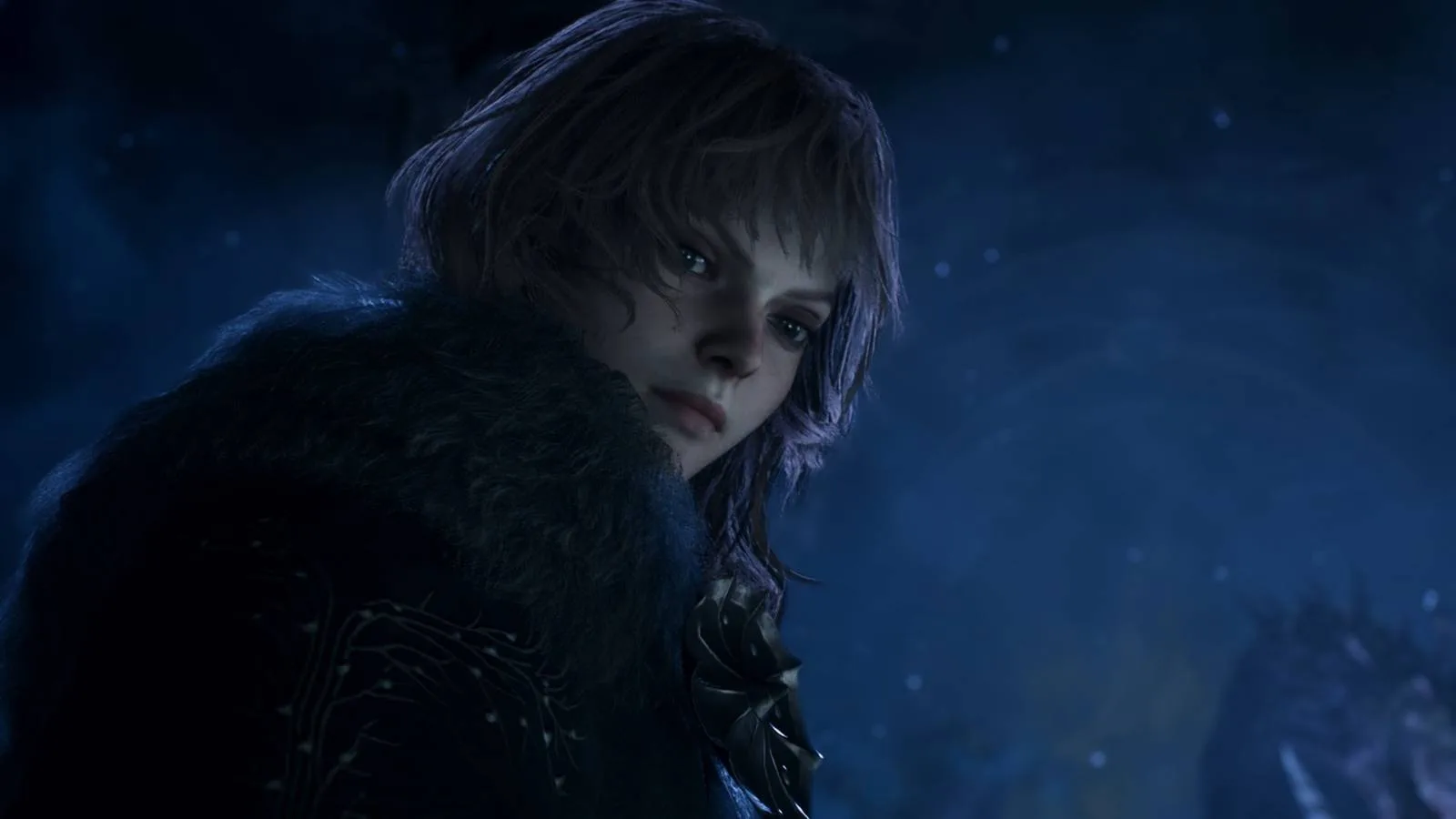
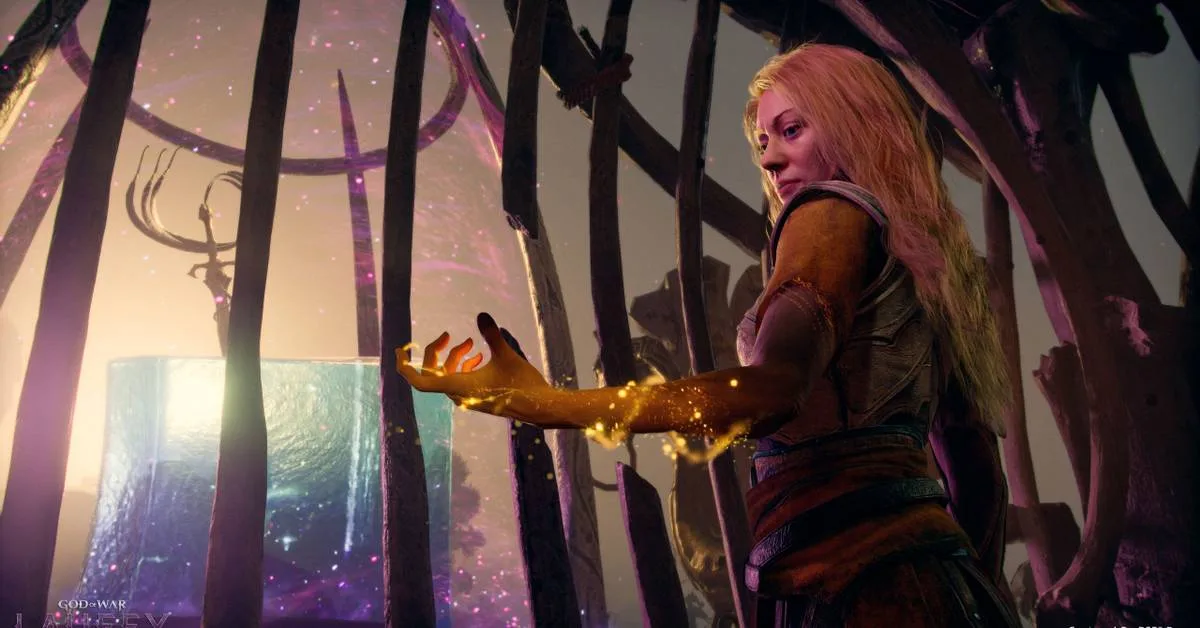
The Everywhen is not Midgard. It is the afterlife, a dimension where gods from multiple mythologies coexist, bound by rules that defy human understanding. This setting allows the developers to break free from the constraints of the Norse realm while still honoring the franchise's roots. The combat is faster and more acrobatic than Kratos' measured brutality, reflecting Faye's nature as a Jötunn warrior who moves with fluid grace. The game also introduces a full companion system, with two key allies: Phranque the gelatinous cube (voiced by Jack Quaid) and Rue the ribbon guardian (voiced by Perlina Lau).
Phranque has been part of the vision from the very beginning. That same cube appeared on the poster in Barlog's office in 2018. It is not a whimsical addition for comic relief; the developers emphasize that the cube is deeply tied to the lore, hinting at a larger cosmic order that connects all mythologies, an idea that previous God of War games have only hinted at. Rue, meanwhile, grounds Faye's journey of self-discovery in an unfamiliar world. Together, these companions form a system that shifts the gameplay away from the father-son dynamic of the previous two games and toward something entirely new.
The tonal shift is deliberate. God of War Laufey embraces a lighter, more adventurous feel without sacrificing emotional depth. Faye is not mourning her own death; she is exploring a realm where gods are real and nothing is as it seems. This approach represents a bold gamble for a series known for its grim, father-son drama, but early reactions to the 20-minute gameplay reveal, including widespread enthusiasm across social media and gaming forums, suggest many players are ready for the change.
What This Means for God of War's Future
Some fans have worried that God of War Laufey signals the end of Kratos' story. Santa Monica Studio has been clear that this is not the case. Multiple Kratos-focused mainline games will continue alongside the Laufey direction. Cory Barlog's promotion to Head of Creative at the studio underscores this dual-track approach: he will guide the long-term vision of the entire series, ensuring that both Faye's and Kratos' stories grow in harmony.
The industry is watching closely. No official release date has been announced, but insiders such as NateTheHate and Bloomberg's Jason Schreier have indicated a first-half 2027 window. Schreier has stated that the game is "not years away" and definitely not a 2028 title. God of War Laufey is a PS5 exclusive, and given the polish shown in the State of Play footage, the final product may arrive sooner than many expect.
For Deborah Ann Woll, the project is deeply personal. She called God of War Laufey her "favorite job I've ever had," a sentiment that reflects the passion fueling this decade-long journey. The secrecy she maintained, through Ragnarok's release, through fan theories, through years of interviews, is now over. Her performance as Faye is no longer confined to a single flashback; it is the centerpiece of a game that took nearly ten years to see the light of day.
A Decade in the Making, A Future Unfolding
The story of God of War Laufey is as much about the secret-keeping as it is about the game itself. By planting the seeds for Faye's adventure before the 2018 reboot even reached store shelves, Santa Monica Studio has proven that the most rewarding narrative revelations are often the ones audiences never see coming. The poster hung in Cory Barlog's office was a quiet promise, one that survived years of development, multiple releases, and a franchise-defining sequel before finally being fulfilled.
With a release window in sight and a decade of planning behind it, God of War Laufey stands not as a detour from the saga's path, but as its boldest, most carefully constructed chapter yet. The Everywhen waits, and Faye's journey is only just beginning.