GameStop Teams Up With Uber Eats to Deliver Physical Games as the Industry Fully Embraces Digital
What the Deal Actually Looks Like The partnership is straightforward in execution but ambitious in scope. GameStop products are now available for delivery nationwide through Uber Eats, covering...

What the Deal Actually Looks Like
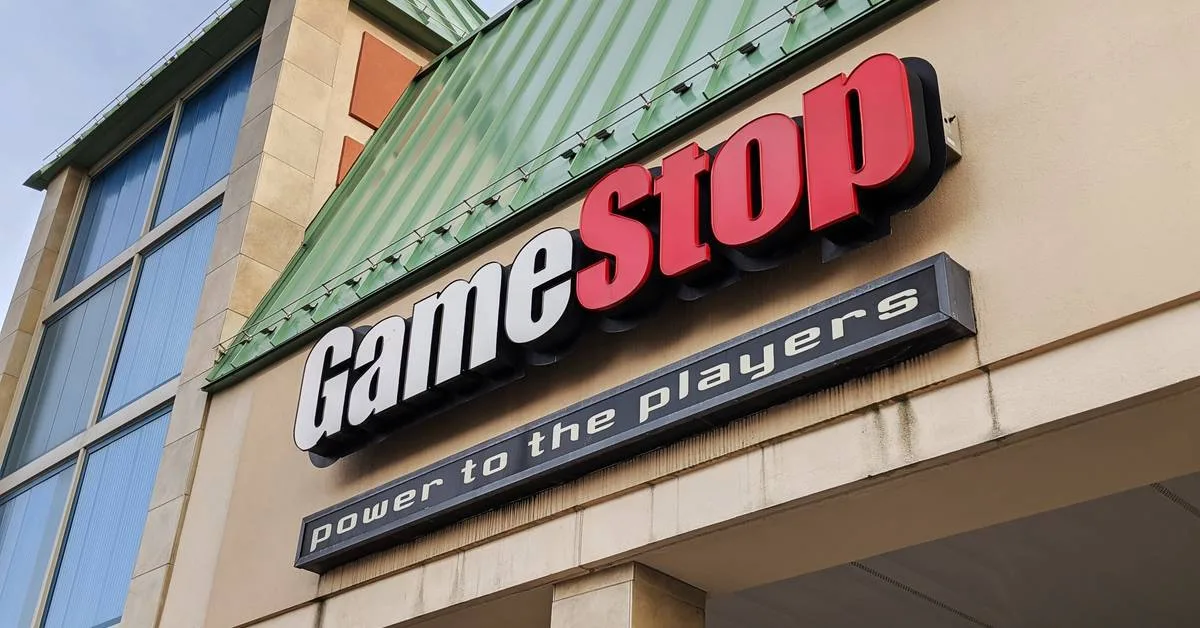
The partnership is straightforward in execution but ambitious in scope. GameStop products are now available for delivery nationwide through Uber Eats, covering everything from video games and consoles to accessories, collectibles, and electronics. Customers can find the GameStop storefront within the Uber Eats app by browsing the Retail or Electronics category. Once there, they can order either on-demand delivery, often within 30 minutes, or schedule a delivery for a more convenient time.
The logistics are simple: Uber Eats drivers pick up orders from local GameStop locations, effectively transforming the retailer’s thousands of storefronts into dark fulfillment hubs (stores that function as mini-warehouses for delivery riders). For a company that has struggled with foot traffic for years, this turns its physical real estate into an asset rather than a liability. The same stock of games, Funko Pops, and controllers that sits on shelves can now feed a delivery pipeline that reaches customers who would never set foot in a mall.
The Irony of Delivering Physical Games During a Digital Transition
If the deal’s mechanics are clear, its symbolism is pointed. Physical game sales have been in steep decline for over a decade, with digital storefronts like Steam, the PlayStation Store, and the Xbox Store now accounting for the overwhelming majority of new release revenue. GameStop’s core business—used game trade-ins—has been its highest-margin segment for years, but that model faces an existential threat as more games ship without discs at all and subscription services like Xbox Game Pass normalize access over ownership.
The media was quick to frame the deal in these terms. Polygon’s Jane Doe wrote, “GameStop putting discs on a food delivery app is like Blockbuster offering rentals through Uber—it’s a clever pivot, but the clock is ticking.” Observers pointed out the absurdity of ordering a game disc with the same app used for dinner, especially when the same title could be downloaded in seconds. One publication even joked about ordering a fictional blockbuster via delivery, underscoring the nostalgic—and perhaps desperate—nature of the move.
Uber Eats’ Retail Power Play
For Uber Eats, the deal is less an ironic gesture and more a calculated expansion into retail delivery. The company has been aggressively moving beyond restaurant food, following a similar nationwide partnership with Best Buy announced in September 2025 for tech and electronics. That partnership proved that consumers are willing to order laptops and headphones through the same platform they use for burritos, and GameStop represents a natural extension.
Delivering GameStop products fills low-traffic daytime hours with high-margin, non-perishable items. Unlike a hot meal that must reach a customer within minutes, a game console or collectible can wait for scheduled delivery, allowing Uber to optimize its driver fleet during otherwise idle periods. This positions Uber Eats as a one-stop platform for last-mile retail, not just dinner—a strategic hedge against the market saturation of food delivery. The GameStop partnership deepens that relationship, giving impulse buyers another reason to open the app.
GameStop’s Multi-Pronged Survival Strategy
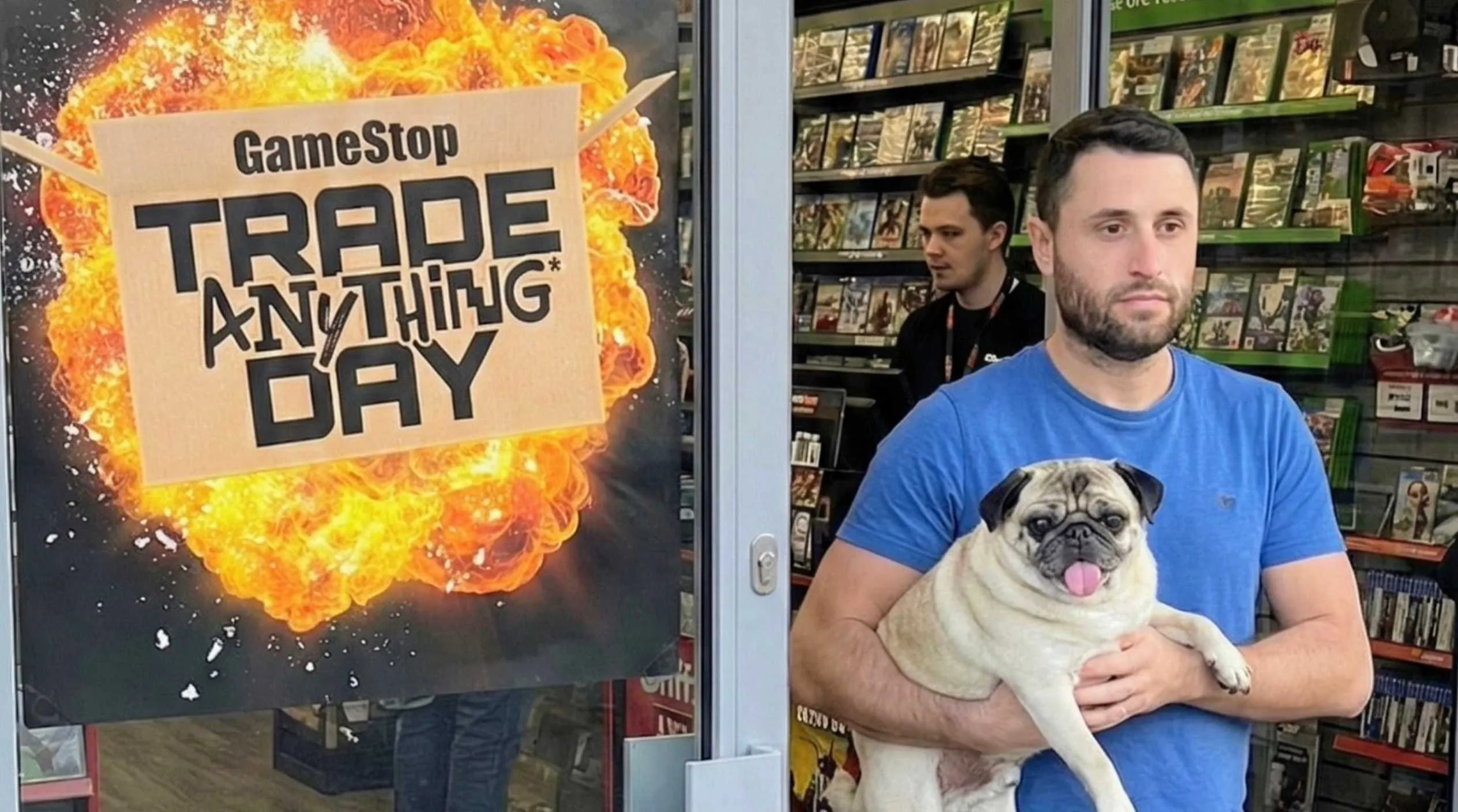
GameStop has been diversifying for years, pivoting into collectibles, trading cards, esports, and PC hardware to offset declining game sales. The Uber Eats partnership is not primarily about selling more discs—it is about leveraging existing store real estate for immediate delivery convenience, potentially boosting impulse sales and driving customers back to the brand.
Yet the underlying business model remains fragile. Trade-in margins are vanishing as more gamers hold onto digital libraries rather than trading in a physical copy. Digital subscription services are replacing ownership entirely, and even major console manufacturers are moving toward discless editions. The Uber Eats deal may generate short-term revenue and buzz, but it does not address the fundamental shift in how people buy and play games.
What This Means for the Future of Game Retail
The partnership may delay GameStop’s obsolescence, but it does not reverse the digital tide. It is a tactical move, not a strategic cure. If physical games continue to shrink as a category, GameStop’s stores may transform into collectible-centric hubs with a delivery pipeline—essentially a specialized toy-and-tech retailer that happens to sell some games.
Larger questions remain: will we look back at disc delivery via Uber Eats as the last, ironic gasp of physical media, or as a creative bridge to a hybrid retail model? For now, customers can still get a game delivered in 30 minutes, but soon the question won’t be which disc at all. It will be which subscription.
A Snapshot of a Shifting Industry
The GameStop-Uber Eats partnership captures a moment of transition. It is convenient, it is ironic, and it may generate enough revenue to keep the lights on a little longer. But it cannot reverse the industry’s long shift from plastic boxes to digital code. In the end, this deal is a snapshot of a dying market clinging to logistics innovation—a creative attempt to keep physical retail alive in a world that has already decided its future is online.