From Battlefield to Azeroth: How a Neuralink Patient is Raiding in World of Warcraft with His Mind
The scene is a familiar chaos to millions: spells flash across the screen, health bars plummet, and a raid leader’s voice crackles with urgency over voice chat. In the heart of the battle, a...

The scene is a familiar chaos to millions: spells flash across the screen, health bars plummet, and a raid leader’s voice crackles with urgency over voice chat. In the heart of the battle, a character moves with practiced precision, weaving through enemy fire and executing complex ability rotations. The player behind this avatar, however, is not using a mouse or keyboard. His hands rest motionless. He is navigating the sprawling digital continent of Azeroth in World of Warcraft using only his thoughts. For Jon Noble, a former British Army paratrooper paralyzed from the shoulders down, this is not a fantasy. It is his new reality—an experience he describes with two simple, powerful words: “pure magic.”
This moment represents far more than a gaming milestone. It is a tangible, visceral leap from science fiction into clinical reality, bridging the gap between human intention and digital action in a way previously confined to speculative films and novels. Jon Noble’s journey from a spinal injury to leading a raid party with his mind forces a fundamental question: What does this fusion of brain and machine mean for the future of gaming, for human accessibility, and for the very potential of human-computer interaction?
The Soldier and The Implant: Jon Noble's Journey
Jon Noble’s story is one of profound physical transformation. A veteran of the British Army, his life was irrevocably changed by a severe spinal injury sustained in a driving accident, leaving him paralyzed. For years, the direct, physical connection to the digital world—a cornerstone of modern life and leisure—was mediated through assistive devices, a layer of separation between thought and action.
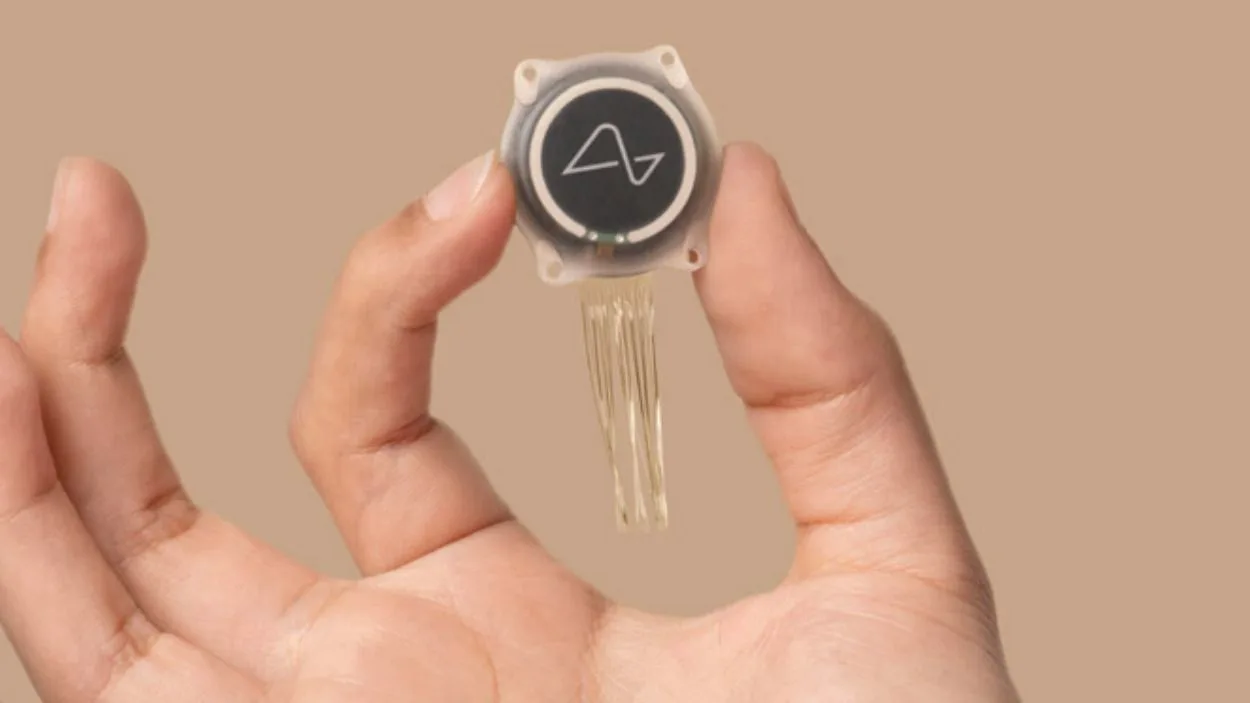
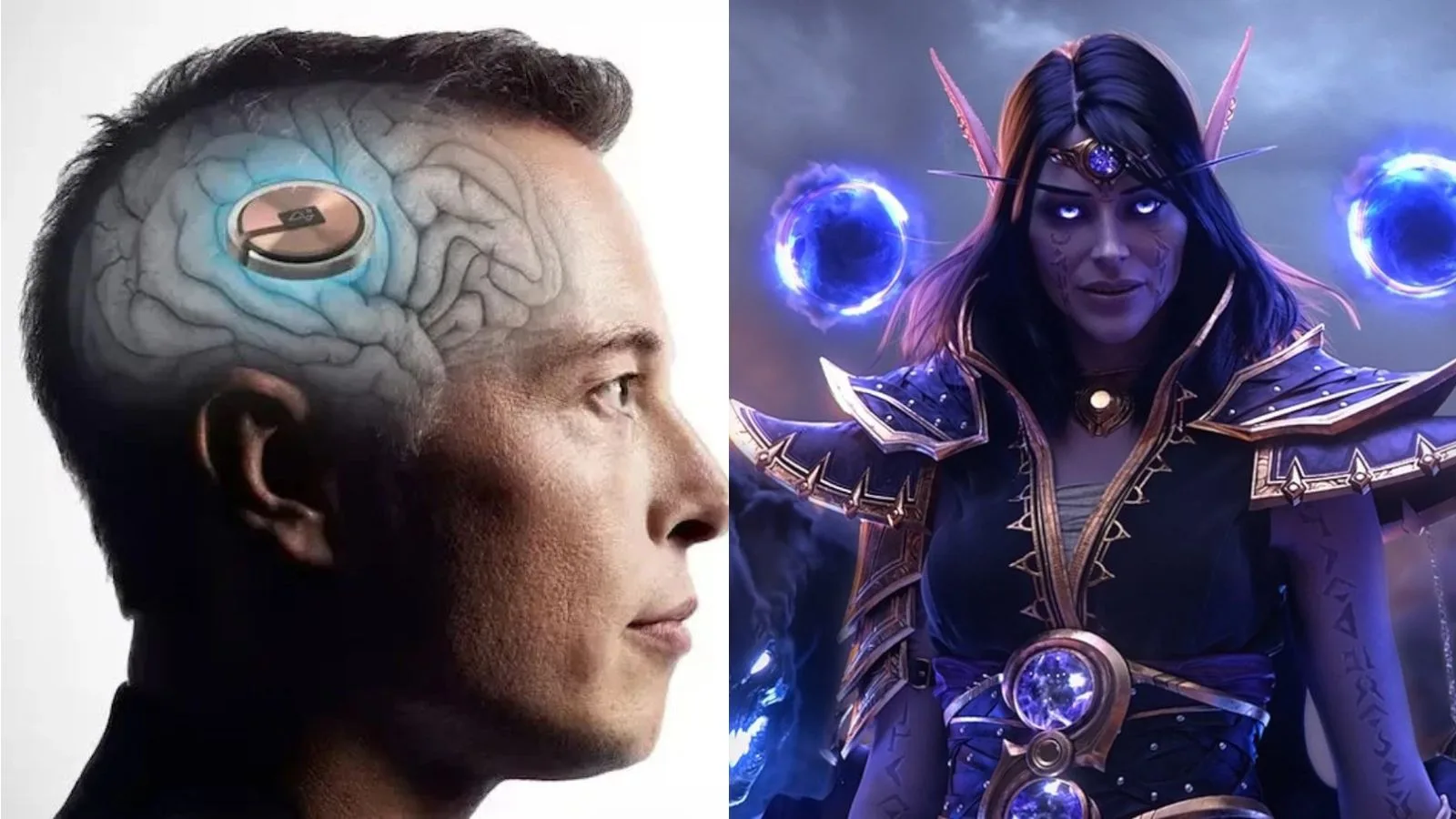
In December 2025, Noble became Patient P-18 in Neuralink’s pioneering PRIME Study. The procedure involved a robotic surgeon carefully placing the company’s N1 implant, a device featuring 1,024 ultra-thin threads, into the region of his brain responsible for movement intention: the motor cortex. Remarkably, he was discharged from the hospital just one day after surgery. His recovery was swift; he reported feeling “significantly better” by the third day and “sharper and more positive” within a week.
The true paradigm shift began in the second week post-implant when the device was paired with an Apple MacBook. Within minutes, Noble was moving a cursor on a screen by thought alone. By week three, the actions of scrolling, clicking, and even typing via a thought-controlled keyboard began to feel, in his words, “second nature.” The barrier between wanting to act and seeing that action realized on screen was dissolving, not through mechanical adaptation, but through a direct neural dialogue.
Conquering Azeroth, Thought by Thought: The Gaming Breakthrough
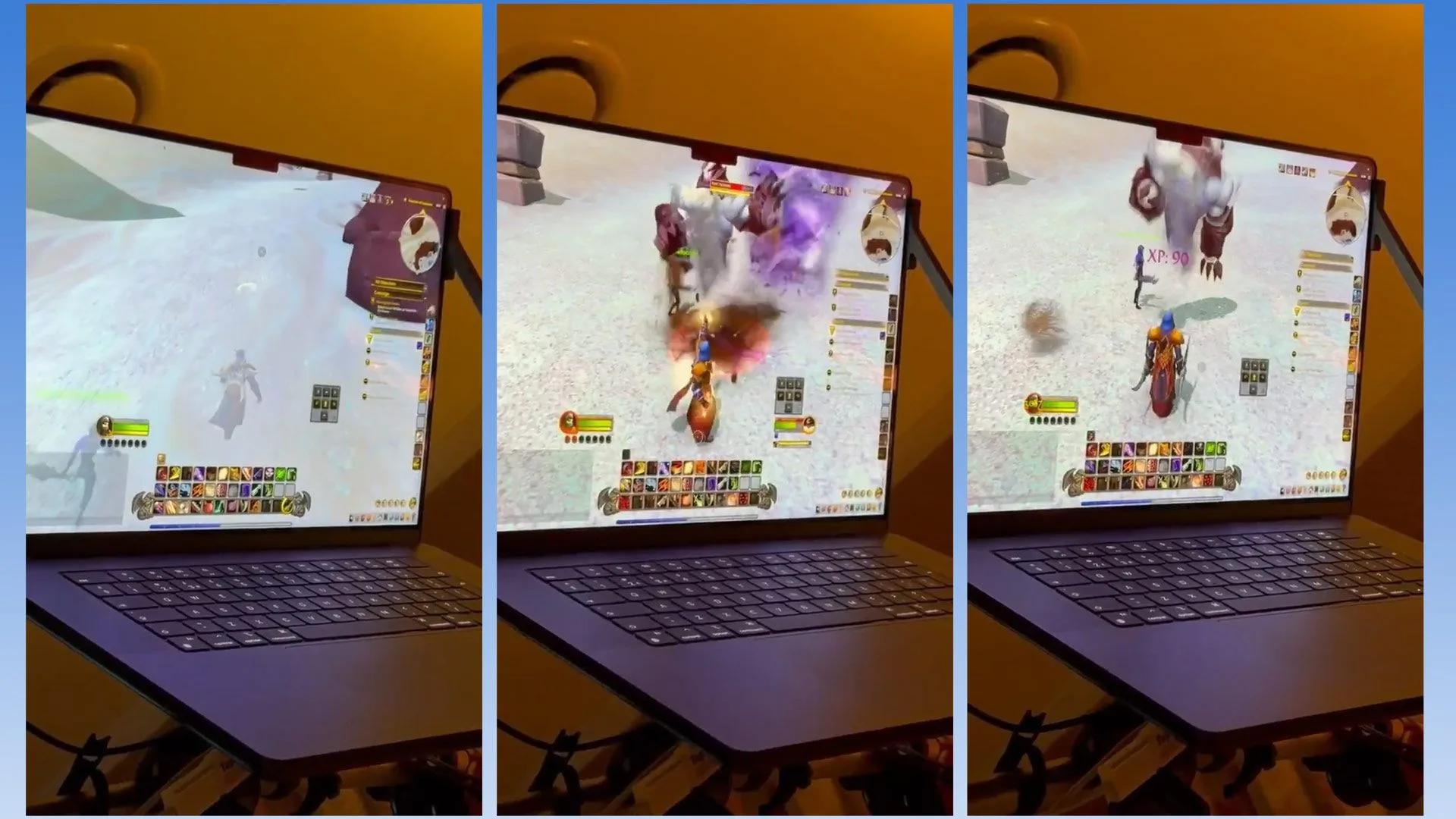
If controlling a cursor was the first chapter, conquering a massively multiplayer online game (MMO) like World of Warcraft was the epic quest. Approximately 80 days after receiving the implant, Noble embarked on this digital journey. The initial foray was, by his own admission, “clunky.” World of Warcraft is a famously complex game requiring simultaneous movement, camera control, targeting, and activation of dozens of abilities—a daunting challenge for any new player, let alone one pioneering a completely novel control scheme.
Yet, the human brain’s capacity for neuroplasticity, combined with the BCI’s learning algorithms, facilitated a rapid synchronization. Noble’s brain learned to articulate its commands in a language the implant could translate, and the system refined its interpretation of his neural signals. The result was a breakthrough he shared with the world: the ability to raid and explore “hands-free at full speed—no mouse, no keyboard, just intention.”
Video evidence shows this mastery in action. His character moves seamlessly through environments, engages enemies, and switches between weapons and spells—all driven by silent thought. Noble describes the experience as “incredible and deeply absorbing,” a “brilliant” demonstration of a new form of immersion. For a game built on the fantasy of empowerment and adventure, the ability to fully participate through pure cognitive will is a powerful form of liberation.
Beyond the Game: "A New Way to Live"
While the spectacle of mind-controlled gaming captures global attention, the core of this technology’s promise lies in the restoration of fundamental autonomy. For Noble, the N1 implant transcends entertainment. “The N1 didn’t just give me a new way to use a computer—it gave me a new way to live,” he stated emphatically at over 100 days post-implant. He has expressed that he “could not live without the device.”
This statement underscores the broader implications. The same technology that allows him to quest in Elwynn Forest enables him to communicate, control his environment, manage smart home devices, and navigate the digital sphere with unprecedented independence. It redefines what is possible for individuals with severe physical disabilities, moving beyond compensatory tools to create a direct pathway for intention to manifest in the physical and digital world. Gaming, in this context, is not a trivial application but a rigorous, high-stakes stress test for a system designed to restore agency.
The profound personal impact Noble experienced was mirrored by a wave of public fascination when he shared his journey online in March 2026—a reaction that highlights the strategic role of gaming in demonstrating this technology's potential.
Neuralink's Gaming Playground: Context and Future Horizons
Jon Noble is the 18th participant in Neuralink’s early human trials, and his achievement is part of a deliberate pattern. The company has previously showcased other trial participants using the BCI to play titles like Mario Kart, Counter-Strike, and Warhammer 40,000: Dawn of War III. This is strategic. Video games serve as an ideal, publicly relatable benchmark for Brain-Computer Interface (BCI) performance. They require fast reaction times, precise cursor control, complex sequential commands, and sustained cognitive engagement—all metrics that rigorously test the speed, accuracy, and robustness of the neural data translation.
While Neuralink's public demonstrations have captured headlines, it is one of several companies and research institutions advancing BCI technology. The use of gaming as a benchmark is a common strategy across the field to test interface speed and usability in a dynamic, engaging context.
It is crucial to temper excitement with context. The technology remains in early clinical trials, focused on a small number of participants with specific medical needs. Widespread consumer availability is a distant horizon, fraught with significant technical, regulatory, and ethical hurdles to clear, including long-term safety, data privacy, and equitable access.
The image of a veteran who once navigated the extreme physical demands of a battlefield now commanding a digital avatar through the strategic chaos of a raid is laden with symbolic weight. Jon Noble’s journey in Azeroth is a compelling, human-centered preview of a future where the barriers between thought and action continue to dissolve. While the path to a commercial neural interface for gaming is long and uncertain, this milestone reaffirms a profound truth: technology at its best does not just create new tools; it can restore fundamental human experiences—including the pure, unmediated joy of play.