Final Fantasy 7 Remake Part 3: How a "PC-First" Pipeline Ensures Top Graphics on Every Platform
The Multiplatform Promise: No Compromise on Visual Fidelity Director Naoki Hamaguchi addressed the core fan anxiety head-on, offering a firm guarantee. He stated unequivocally that the team will not...

The Multiplatform Promise: No Compromise on Visual Fidelity
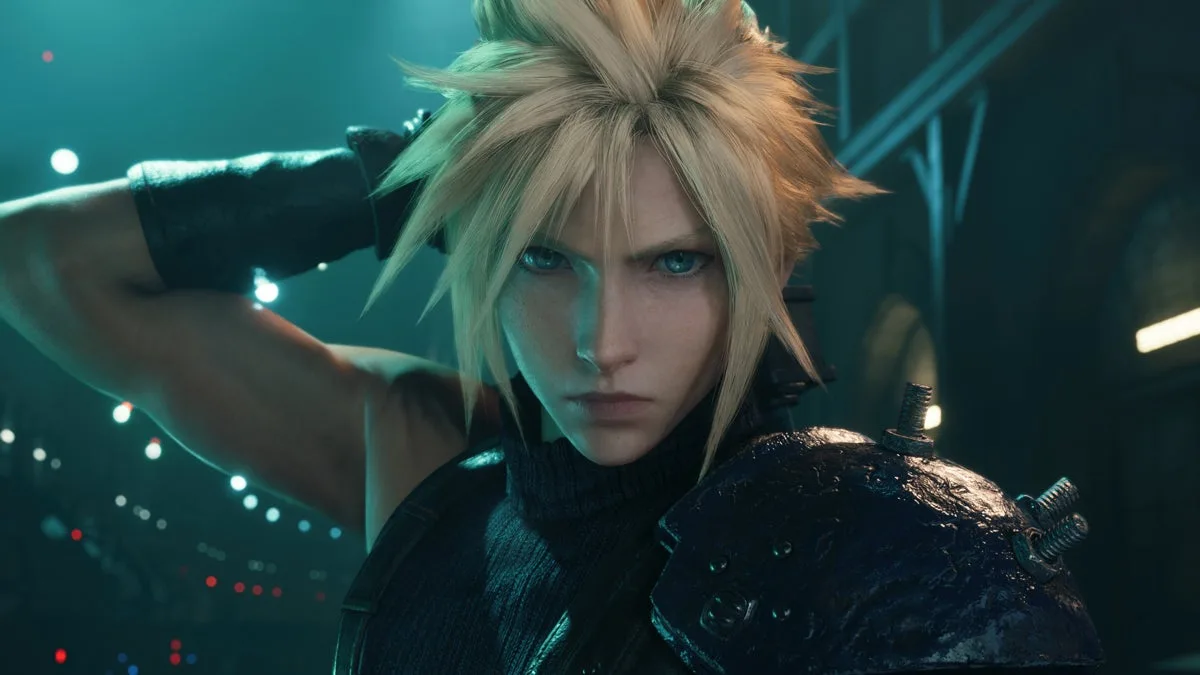
Director Naoki Hamaguchi addressed the core fan anxiety head-on, offering a firm guarantee. He stated unequivocally that the team will not lower the game's graphical quality or visual fidelity for its multiplatform debut. This commitment moves beyond mere reassurance; it signals a fundamental shift in philosophy. The move away from PlayStation exclusivity is not a concession but a strategic expansion.
The business context is clear. The decision is driven by the rapid growth of the PC gaming market, particularly overseas, and the strong sales performance of the FF7 Remake series on storefronts like Steam. Furthermore, this strategy aligns with a broader recalibration at Square Enix, reportedly prompted by titles like Final Fantasy 7 Rebirth and Final Fantasy 16 not meeting internal sales expectations. With the mainline Final Fantasy series having sold over 200 million copies lifetime and FF7 Remake itself at 8.7 million copies sold, maximizing reach for the trilogy's finale is a logical business imperative. The challenge, then, became a technical one: how to achieve this without sacrificing the series' visual hallmark.
Inside the "PC-First" Production Pipeline
The answer lies in a foundational change to the development process. For Final Fantasy 7 Remake Part 3, the team has adopted a "PC-first" production pipeline. This is the crucial technical detail that makes Hamaguchi's promise possible.
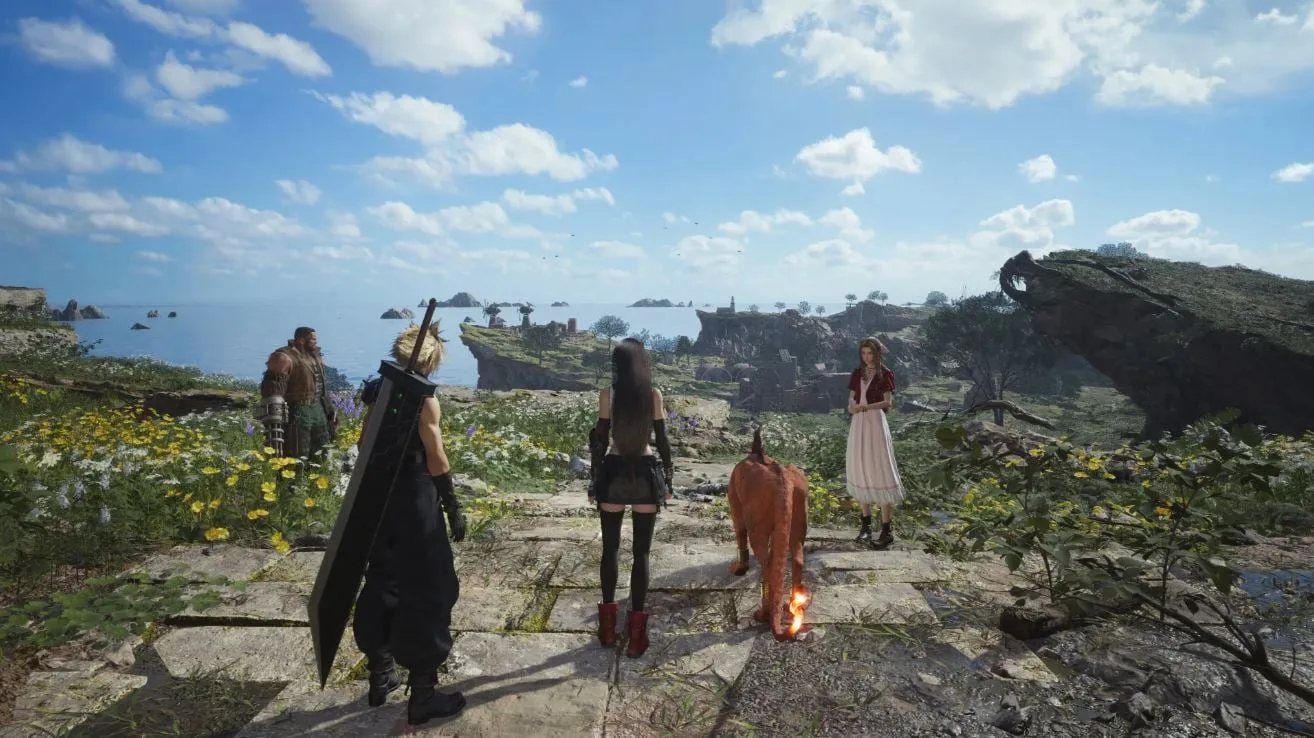
Instead of targeting a console's fixed specifications as the baseline, artists and engineers are creating all 3D assets—character models, environments, textures, and effects—at the absolute highest quality tier imaginable, designed for high-end PCs. This establishes a master repository of pristine, ultra-detailed assets. The subsequent phase involves intelligently scaling and optimizing these assets down for each specific console platform's capabilities.
This approach strategically avoids targeting a "lowest-common-denominator" baseline. In a traditional multiplatform project, there can be a temptation to create assets that comfortably fit the weakest supported hardware, ensuring easier porting but capping the potential on more powerful systems. The PC-first method inverts this logic. By starting at the top, the team ensures that high-end platforms are never artificially limited by decisions made for lower-spec machines. The ceiling for visual quality is set by the cutting edge of PC hardware, not by the constraints of any single console.
Platform-by-Platform Optimization: From High-End PC to Steam Deck
This pipeline allows for bespoke optimization for each member of the platform family. Hamaguchi provided revealing insight into how the team views the hardware landscape. Internally, they categorize the PS5 and the upcoming PS5 Pro as "mid-range platforms" when compared to the upper echelons of PC gaming. A high-end PC can leverage significantly larger texture files, higher polygon counts, and more complex mesh loading—creating a tangible visual gap through richer environmental detail and smoother object transitions.
The key is that constraints on one platform do not dictate the experience on another. The team individually optimizes for each platform's technical limits—CPU, GPU, and RAM. For instance, the memory limitations of the Xbox Series S will require specific adjustments for that version, but those adjustments will not be forced upon the Xbox Series X or PC builds. Each version is tuned to maximize performance and quality within its own hardware envelope.
On the lower end of the spectrum, the Steam Deck is adjusted toward the lower specifications, with Hamaguchi noting it operates at less than half the PS5's baseline. Interestingly, he also offered a positive note on the yet-to-be-released Nintendo Switch 2, stating it has ample memory, which simplifies one major aspect of development. Furthermore, the plan to use a download key-card for its physical edition removes the traditional challenge of shrinking game data to fit onto a cartridge.
Proof in Practice and the Business Shift Driving the Change
For skeptics wondering if this "PC-first" approach is merely theoretical, Hamaguchi points to existing evidence. He cited the visible graphical differences between the PC and PS5 versions of Final Fantasy 7 Rebirth, with the PC version notably looking better. This demonstrates the pipeline already in action for the second chapter's port and validates the strategy for the third game's native multiplatform development.
This technical evolution is inseparable from the business realities of modern game development. The reported sales expectations for recent AAA titles have prompted Square Enix to reevaluate its release strategies. The multiplatform approach for Final Fantasy 7 Remake Part 3 is a direct response to this, aiming to capture the full audience across all major ecosystems from day one. It’s a move that acknowledges the franchise's immense scale—those 200 million lifetime sales—and seeks to ensure its most ambitious modern project concludes with both critical and commercial success.
By inverting the traditional "lowest-common-denominator" approach, the multiplatform future for Final Fantasy 7 Remake Part 3 becomes a story of ambitious technical adaptation. By committing to a high-fidelity "PC-first" asset pipeline and dedicating resources to bespoke optimization for every system, Square Enix is engineering a solution that aims to deliver the best possible visual experience to every player, regardless of their chosen platform. This strategy represents both a confident answer to a complex technical challenge and a strategic embrace of the diverse, platform-agnostic modern gaming market. The message is clear: the epic conclusion to Cloud Strife's remade journey will be designed to look its absolute best, wherever you choose to play it.
Tags: Final Fantasy 7 Remake, Square Enix, Game Development, PC Gaming, Graphics Technology