Final Fantasy 7 Remake Director Pushes for Physical Release of Trilogy Finale as Industry Goes All-Digital
The video game industry is hurtling toward a disc-free future. Sony has confirmed it will end production of new physical discs by 2028, and Rockstar Games is launching Grand Theft Auto 6 as a...


The video game industry is hurtling toward a disc-free future. Sony has confirmed it will end production of new physical discs by 2028, and Rockstar Games is launching Grand Theft Auto 6 as a digital-only title, the first mainline entry in franchise history to skip store shelves. For many publishers, the economics of physical media no longer make sense. But one of the industry's most prominent directors is refusing to go quietly. Naoki Hamaguchi, director of the Final Fantasy VII Remake trilogy, has publicly stated he is fighting to ensure the trilogy's final chapter gets a physical disc release. His argument isn't merely about collector culture, it is a philosophical stand on game preservation, consumer ownership, and the identity of a medium that grew up in plastic boxes.
The Context, Why Physical Games Are Under Threat
Sony's decision to phase out disc production by 2028, combined with Rockstar's choice to ship GTA 6 without a physical version, signals an accelerating shift toward all-digital distribution. The Grand Theft Auto series has historically driven massive retail sales, making its digital-only debut a powerful statement that even the most valuable IPs no longer need shelf space. These moves compound pressure on third-party publishers like Square Enix: retailers are reducing display space, production costs for discs and packaging continue to rise, and digital storefronts offer better margins with no inventory risk. For a company that produces lavish collector's editions, the calculus is becoming increasingly difficult to justify.
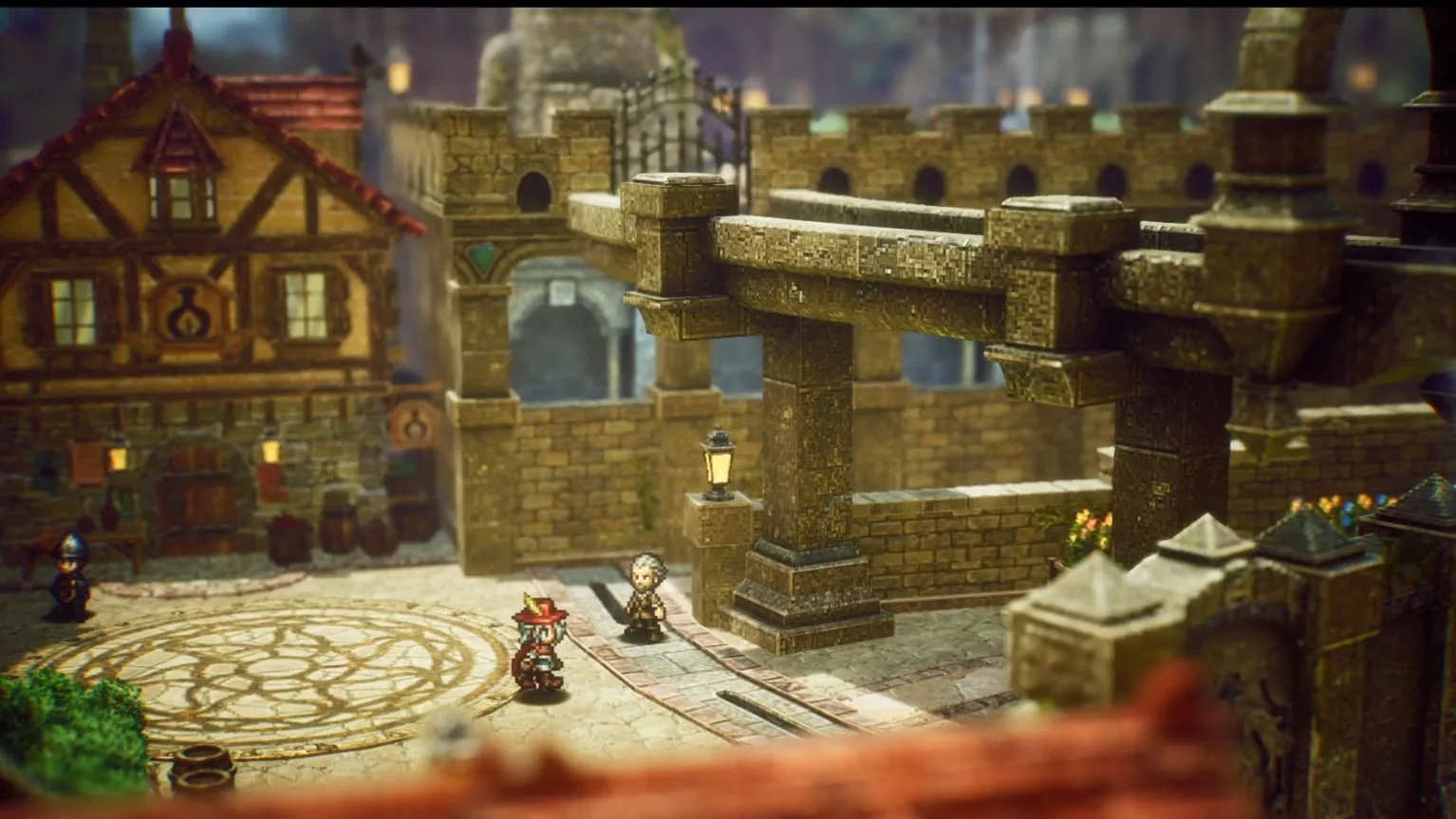
Naoki Hamaguchi's Stand, A Director's Philosophical Case for Discs
Hamaguchi has not been shy about his position. In an interview with Famitsu, he stated plainly: "I am personally pushing for a physical release. I believe it is important to give players the option to own the game in a form they can hold, share, and preserve for the future." The director's reasoning goes beyond personal preference, it is rooted in game preservation and consumer choice. Discs can be resold, lent to friends, and played offline. They do not depend on server uptime, licensing agreements, or digital storefronts remaining active. The original 1997 Final Fantasy VII can still be played today because physical copies exist; players can pop a disc into a retro console or a modern PC with a disc drive and experience the game exactly as it was. If the final chapter of the Remake trilogy exists only as a digital file, its long-term survival depends on Square Enix maintaining servers and licensing rights for decades, a fragile model at best.
Second, Hamaguchi's stance is rooted in consumer choice. By offering a physical version, Square Enix gives players the option to own the game outright rather than merely licensing a digital copy. In an era where digital storefronts can revoke access, modify terms of service, or delist titles without warning, physical media remains the most reliable form of ownership for players who value permanence. No official confirmation from Square Enix has been made regarding the format of the third entry's release, but Hamaguchi's influence as the trilogy's director carries weight. His public advocacy signals that the debate inside Square Enix is real, and that someone with creative authority is willing to take a stand.
The Crossroads for Square Enix and the Industry
Square Enix occupies a precarious position in this debate. As a major Japanese publisher, it has long cultivated a loyal audience that values physical collector's items. The Final Fantasy VII Remake and Rebirth both received lavish physical editions with steelbooks, art prints, and other tangible bonuses. Many fans have built their collections around these releases, anticipating a matching third entry to complete the set. Yet the pressure to abandon physical media is mounting. Microsoft has committed to a digital-first future with Game Pass and disc-less Series S consoles. Sony's disc production phase-out will force all PlayStation-adjacent publishers to reconsider their distribution strategies. And Western developers like Rockstar are proving that even the biggest games can thrive without retail presence.
For Square Enix, the decision carries both financial and reputational risks. Producing discs, shipping them to retailers, and managing unsold inventory adds cost to an already expensive AAA development cycle. But skipping physical release for the trilogy's finale could alienate a passionate fanbase that has invested in the series since the 1990s. Some players may simply refuse to buy a digital-only conclusion, feeling that the trilogy experience is incomplete without a matching disc on the shelf. Hybrid solutions, such as limited physical editions containing download codes, exist, but none fully satisfy the preservation argument. Whether Square Enix will embrace such a middle ground remains unclear.
Whatever Square Enix decides, the decision will land on players who have already invested in two physical discs, and expect a third.

What This Means for Gamers, Preservation, Choice, and the Future
For Final Fantasy VII fans, the issue is deeply emotional. Many players collected the Remake and Rebirth discs as physical artifacts of a beloved series. A trilogy without a third disc feels incomplete, as if the story is missing its final page. Hamaguchi's advocacy resonates strongly with this audience because he understands that the physical object is part of the experience, a tangible connection to the game's legacy.
The pro-physical argument rests on several pillars: ownership (a disc cannot be remotely revoked), resale and lending (players can share or trade freely), offline play (no internet required), and archival value (discs can be preserved indefinitely with proper care). The pro-digital counterarguments are equally valid: convenience, lower prices during sales, no shipping delays, and reduced environmental waste. But for fans standing at this crossroads, the emotional weight of an incomplete collection often outweighs the practical tradeoffs. Hamaguchi's stand also matters beyond Final Fantasy VII; it may influence other Japanese developers like FromSoftware and Capcom, who still value physical releases for their core franchises. If Square Enix can successfully push back against the all-digital trend, it could set a precedent that preservation-minded directors at other companies can cite when negotiating with their own publishers.
A Director's Last Stand for the Plastic Case
Naoki Hamaguchi's push for a physical Final Fantasy VII trilogy finale is more than a personal preference. It is a symbolic stand in a transitional era, a reminder that games are not just services or data files. They are artifacts with history, culture, and meaning. As Sony and Rockstar drive the industry toward a disc-less future, directors like Hamaguchi remind us that the choice to own something physical still matters. Whether Square Enix ultimately ships discs or not, the conversation has shifted. The fate of physical media now rests on decisions made in boardrooms, and in the passionate arguments of the creators who grew up loving those plastic cases.