FCC Cracks Down on Alleged DJI Front Companies: What It Means for Drone Pilots and Content Creators
You just unboxed that Xtra Muse action camera for your next travel vlog. According to the FCC, you may have unknowingly purchased a DJI product sold through a shell company, and soon, you won't be...

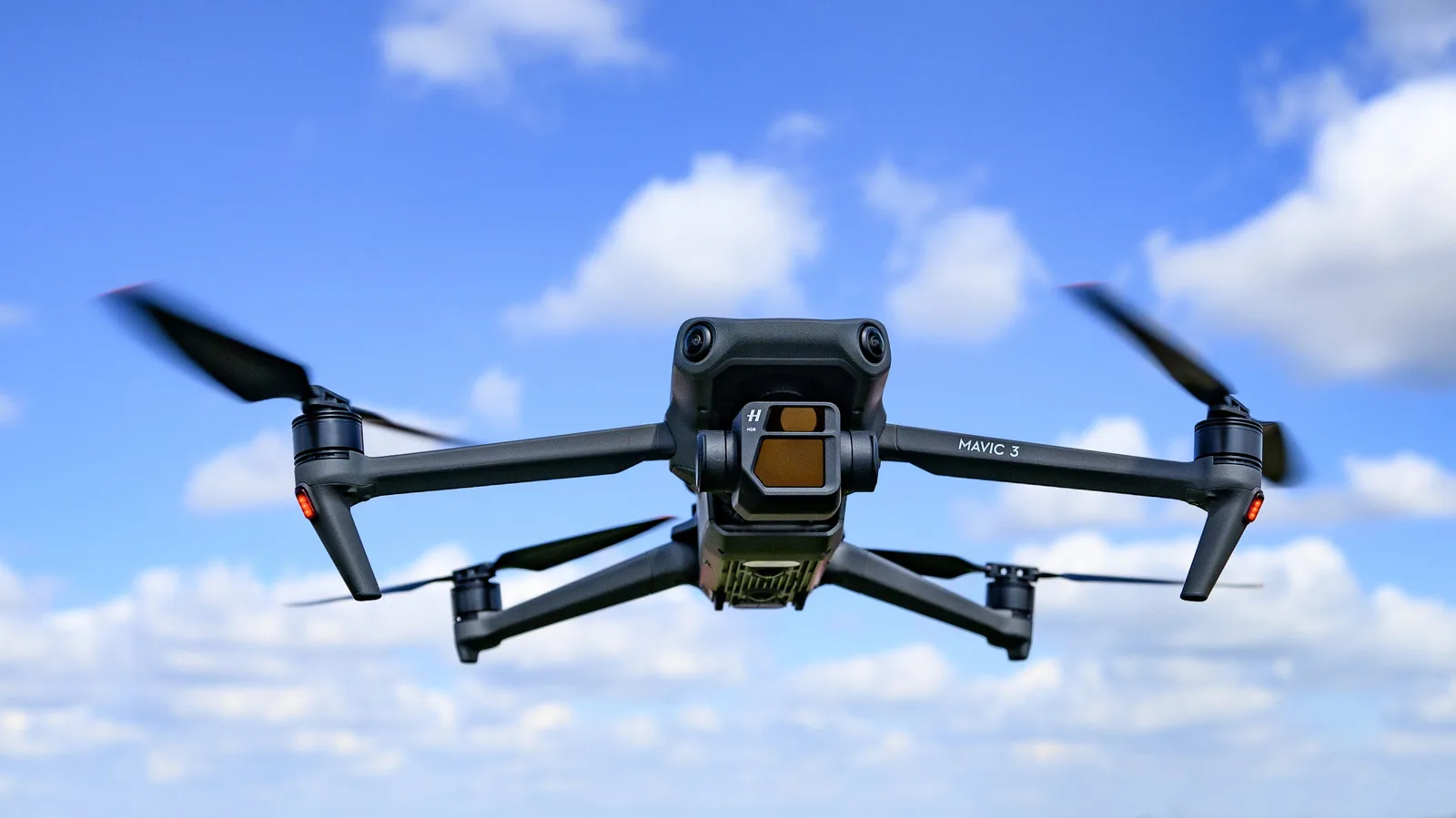
You just unboxed that Xtra Muse action camera for your next travel vlog. According to the FCC, you may have unknowingly purchased a DJI product sold through a shell company, and soon, you won't be able to buy another. In an unprecedented move, the agency just proposed a retroactive ban on the import, distribution, and sale of products from eight companies it suspects are DJI front brands, and hit each with a $25,000 fine for failing to cooperate. This is the first use of the FCC's newly granted retroactive ban powers, and it signals a major escalation in the US government's years-long push to restrict Chinese drone technology. For drone pilots, photographers, and content creators who rely on these products, the stakes are high: your gear might be legal now, but the rules are shifting fast.
The FCC's New Weapon, Retroactive Ban Powers
In October 2025, the FCC voted to grant itself retroactive revocation authority under the FY2025 National Defense Authorization Act framework. This new power allows the agency to pull equipment authorizations even for products already on the market. Before this change, the FCC could only block new equipment authorizations. If a device had already been certified and sold, it was essentially grandfathered in. The retroactive power flips that assumption: products that were legally sold yesterday can become illegal to sell or import tomorrow.
This July 2026 action against alleged DJI front companies is the first exercise of that power. The FCC is targeting products that were previously certified and legally sold but are now deemed national security risks. The trigger? DJI was added to the FCC's "Covered List" on December 22, 2025, after the FY2025 NDAA deadline passed without a completed national security review. Being on that list prevents new equipment authorizations, but it didn't stop existing products, until the retroactive ban powers came into effect.
The 8 Targeted Companies, Who They Are and What They Sold
The FCC identified eight companies as suspected DJI front operations: Cogito Tech, Fikaxo Technology, Lyno Dynamics, Skyhigh, Spatial Hover, SZ Knowact Robot, WaveGo Tech, and Xtra Technology (maker of Skyrover drones and Xtra Muse action cameras). Each faces a $25,000 fine for failing to respond to FCC Letters of Inquiry about their ownership ties to DJI. Xtra's action cameras compete directly with the DJI Osmo Pocket series, while Skyrover drones closely mirror DJI's consumer hardware in design and performance. These are not obscure industrial components, they are popular consumer products for adventure photographers, vloggers, and hobbyist drone pilots.
If the retroactive ban is finalized, import, distribution, and marketing of these brands will be prohibited in the US. That means you won't be able to buy a new Xtra Muse or Skyrover drone from retailers, and distributors will have to stop shipping them.
Attacking the Certification Supply Chain
The FCC is also moving to deauthorize Chinese testing lab SGS-CTST, which certified the DJI Osmo Pocket 4 and 4 Pro as well as WaveGo Tech equipment. This closes a key loophole: without an FCC-recognized lab to test and certify new devices, even if a front company tried to get a fresh equipment authorization, the pathway is effectively blocked. The strategy is to dismantle the entire ecosystem enabling DJI's US market presence, a supply-chain siege rather than a product-by-product hunt. For content creators who rely on DJI-adjacent gear, this means that even if DJI found a new front company tomorrow, getting new products certified would be an uphill battle.
What This Means for Drone Pilots and Photographers
Let's start with the good news: existing products already in consumers' hands remain legal to own and fly. The retroactive ban targets future sales and imports, not recalls. That Xtra Muse you bought last year? It's still yours to use. The FCC is not coming to confiscate your gear.
However, buying new stock from these brands will become impossible if the ban is approved. Retailers like Amazon and Best Buy will have to pull listings. Resale markets on eBay or Facebook Marketplace may also be affected, as the ban likely prohibits "distribution" as well as sale. Content creators who rely on these budget-friendly alternatives for stabilized footage or aerial shots should start monitoring the FCC's final decision closely. If you're shopping for a new action camera or drone, consider alternatives from GoPro, Autel Robotics, or traditional DSLR stabilizers. But don't make a hasty decision just yet. DJI has filed a lawsuit claiming the FCC exceeded its statutory authority with the Covered List expansion. The outcome of that case could reverse or delay these actions, creating significant uncertainty for consumers.
The practical bottom line: hold off on buying any new Xtra or Skyrover products until we see how the FCC's final ruling and DJI's legal challenge play out. Your existing hardware is safe, but the landscape of available gear is about to shrink.
The Road Ahead: Uncertainty and Legal Challenges
The FCC's crackdown on alleged DJI front companies represents a dramatic new phase in the battle over Chinese drone technology. The retroactive ban proposal, $25,000 fines, and certification-lab attack form a three-pronged strategy. But DJI's legal challenge means the situation is far from settled. If this retroactive power stands, it could set a precedent for how other sanctioned tech companies are treated, not just drones, but cameras, routers, and more.
Your existing hardware is safe for now, but future purchases from these brands are in jeopardy. Stay informed by bookmarking the FCC's Covered List page and setting a Google Alert for "DJI v. FCC" to catch any rulings. The drone landscape is shifting, and the next few months will determine whether this aggressive regulatory push holds or gets overturned.
(Source: FCC Public Notice DA-26-XXX; DJI v. FCC, Case No. 26-cv-XXXX, status pending)