FBC: Firebreak's Final Update: What the "Open House" Means for Remedy's Multiplayer Experiment
On March 17, 2026, Remedy Entertainment released the "Open House" update for FBC: Firebreak , drawing a definitive line under its first foray into live-service multiplayer. This is not merely a...

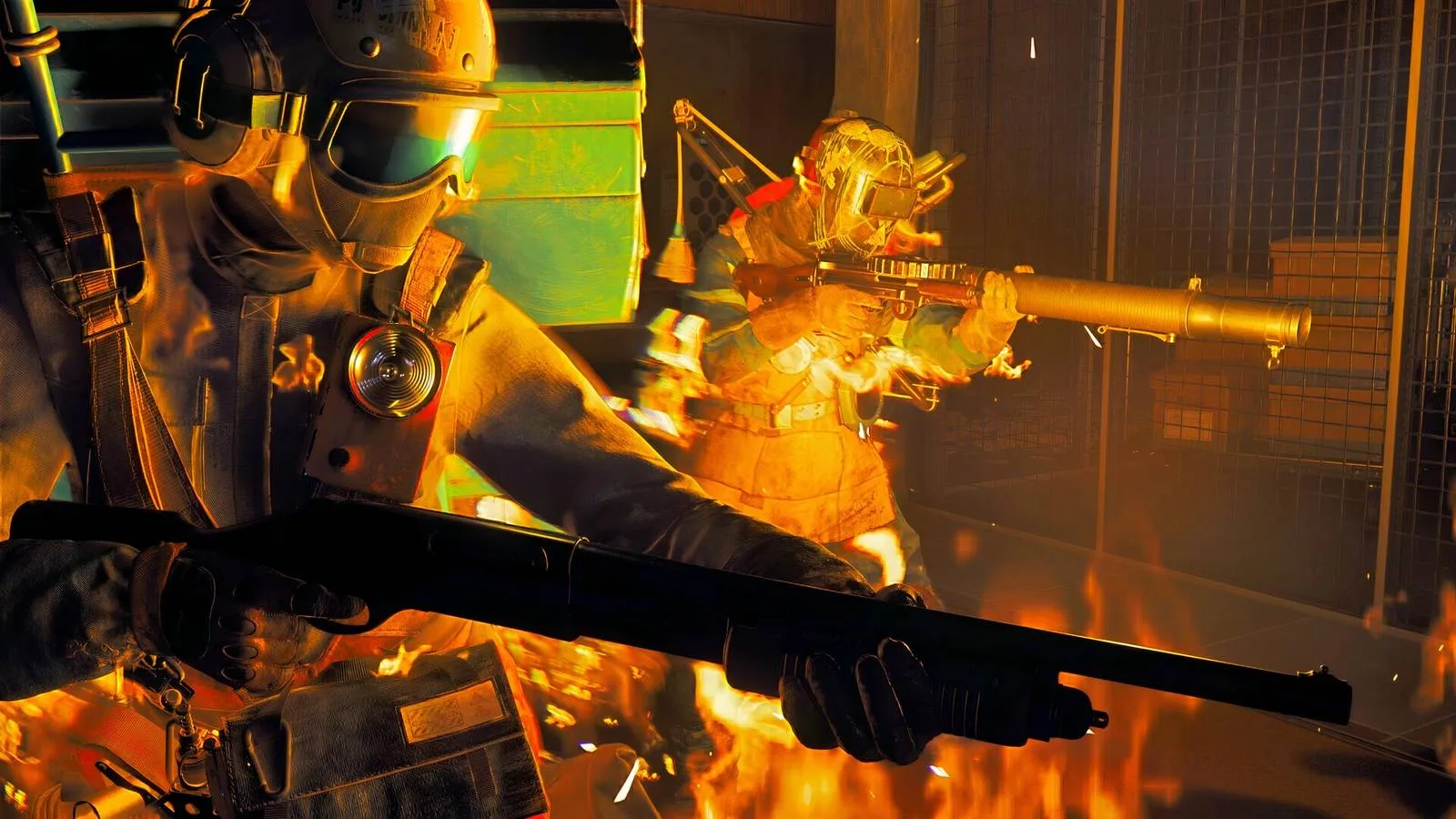
On March 17, 2026, Remedy Entertainment released the "Open House" update for FBC: Firebreak, drawing a definitive line under its first foray into live-service multiplayer. This is not merely a patch; it is the closing chapter of a bold venture.
For a studio synonymous with meticulously crafted, narrative-driven single-player worlds, the launch of FBC: Firebreak in 2025 was a seismic shift. Remedy Entertainment, the architects of Max Payne, Alan Wake, and Control, ventured into uncharted territory with its first self-published, online cooperative title. The journey was, by the studio’s own admission, a turbulent learning experience. The "Open House" update reshapes the game's present and offers crucial lessons for Remedy's ambitious future.
The "Open House" Update: A Final Send-off
The "Open House" update serves as a respectful and content-rich finale for the players who have remained within the Federal Bureau of Control’s shifting halls. The centerpiece is the addition of five new "Endless Shift" combat arenas, each a direct love letter to fans of the Control universe. Locations like the Cafeteria, Aircon Room, and Ritual Lobby are faithfully recreated, offering fresh tactical environments for cooperative last stands. This final infusion of content directly taps into the iconic setting that first drew players in.
Beyond new arenas, the update delivered the most critical piece of news for the community: a promise of longevity. Remedy has explicitly confirmed that FBC: Firebreak "will remain online and fully playable for years to come." The studio has conducted engineering work specifically to ensure server sustainability with lower player counts, a move that grants the existing community peace of mind. While major content development has ceased, the door remains open for minor fixes.
Accompanying this final update are significant changes to accessibility. The game has received a permanent price reduction to $19.99 for the base edition. More importantly, Remedy has introduced a "Friend's Pass" system (operating as a Free Trial on consoles). This allows owners to invite friends who don’t own the game to join their sessions, a final effort to lower the barrier to entry and breathe some social life into the experience.
Overhauling the Experience: Key Gameplay Changes
"Open House" is more than a content drop; it’s a substantial gameplay overhaul designed to refine the core loop based on player feedback. The most significant change is a complete rework of the perk system. Gone is the previous tiered inventory management. Players now equip a single instance of a perk, which automatically activates at its highest unlocked level. This shift creates more powerful, flexible, and immediately impactful loadouts, streamlining a system many found cumbersome.
Weapon balance has also been addressed head-on. The update brings buffs to underperforming weapons and adjustments to enemy scaling, aiming to broaden viable playstyles. Conversely, overperforming heavy weapons like the Rotary Cannon and Scattergun have been tuned down, a direct response to community and critical feedback about certain tools trivializing the challenge.
Quality-of-life improvements target long-standing points of frustration. Downed players now crawl faster, and the revive time has been slashed from 5 seconds to 3, accelerating the pace of combat rescues. Clearer HUD indicators and other tweaks demonstrate a focus on polishing the moment-to-moment experience for the dedicated player base that remains.

Contextualizing the Finale: Firebreak's Rocky Journey
To understand the weight of this final update, one must revisit Firebreak’s challenging lifecycle. As Remedy’s first online multiplayer game and first self-published title, it was a monumental risk. Set in the shared universe of Control and Alan Wake, it aimed to translate that universe’s eerie atmosphere into a cooperative action framework.
The launch in 2025 was met with poor critical reception (as widely reported by gaming outlets at the time) and disappointing sales, a point reflected in Remedy's subsequent financial statements. Reviewers and players frequently cited a repetitive core gameplay loop, a confusing onboarding experience, and a struggle to maintain a compelling reason to engage long-term. The player base dwindled rapidly, a stark contrast to the enduring communities of live-service hits. This period also coincided with significant leadership changes at Remedy, including the departure of its CEO in 2025, adding a layer of corporate turbulence to the game’s struggles. Remedy itself has since framed the entire Firebreak project as a "valuable learning experience," a candid assessment that underscores the "Open House" update’s role as a graceful conclusion rather than a revival attempt.
Looking Forward: Lessons Learned and Remedy's Next Chapter
The true legacy of FBC: Firebreak will be measured not in its concurrent player counts, but in how its lessons shape Remedy’s future. The studio has already signaled a strategic pivot. Its next major release is Control 2, which is confirmed to be shifting the franchise toward an action-RPG experience. This evolution suggests a deepening of systems and progression, areas where Firebreak’s mechanics provided a real-time testing ground.
Furthermore, Remedy has not abandoned multiplayer. A separate Control multiplayer project, codenamed "Condor," remains in development. The "Open House" update—with its server sustainability promise, its focus on refining core systems based on feedback, and its respectful treatment of the remaining community—sets a precedent. It shows how Remedy might responsibly support and conclude a live-service project. The lessons from Firebreak’s rocky launch, particularly regarding onboarding and sustained engagement, will undoubtedly inform the more strategic development of "Condor."
The "Open House" update provides a meaningful final act for FBC: Firebreak’s players while ensuring the game persists as a playable piece of Remedy’s history. It represents the closing of a costly but instructive chapter. As Remedy doubles down on its narrative-driven roots with Control 2 and more carefully cultivates its multiplayer ambitions, Firebreak stands as a foundational experiment. The studio ventured into the dark, gathered its data, and has now returned to the drawing board—wiser, and with its iconic creative vision firmly intact.
Tags: Remedy Entertainment, FBC: Firebreak, Control, Game Updates, Multiplayer Games