Fallout Season 2's Wasteland Triumph: How It Became Prime Video's #2 Hit and What's Next
Editor's Note: This article is based on reported data and confirmed production plans for the upcoming season. The post-apocalyptic wasteland has never been more crowded. In the first 13 weeks...

Editor's Note: This article is based on reported data and confirmed production plans for the upcoming season.
The post-apocalyptic wasteland has never been more crowded. In the first 13 weeks following its December 2025 premiere, Fallout Season 2 is projected to have been watched by a staggering 83 million global viewers on Prime Video. This nuclear-level viewership would officially cement the series as the platform's second-most-watched returning series ever, a feat that defies the notorious "video game adaptation curse." Transforming a beloved, lore-dense RPG franchise into a mainstream television phenomenon is a perilous quest, often ending in critical and fan backlash. Yet, Fallout didn't just survive; it detonated. The central question now isn't about survival, but supremacy: how did this adaptation achieve such explosive success, and where does the story go after a finale that has the entire Wasteland talking?
By the Numbers: A Viewership Bomb Detonates
The reported metrics for Fallout Season 2 are the kind that make studio executives see visions of bottle caps. Achieving 83 million viewers in under three months is a monumental success for any series, but for a returning show based on a game, it's virtually unprecedented in the streaming era. This performance would secure its silver medal position in Prime Video's history, trailing only the behemoth that was Reacher Season 2 and notably outperforming other heavyweight returns like The Lord of the Rings: The Rings of Power Season 2 and Reacher Season 3.
A key strategic shift is reported to have contributed to this sustained explosion. Departing from Season 1’s full-season drop, Season 2 adopted a weekly episode release model, concluding its run on February 3, 2026. This strategy fostered weekly water-cooler discussions, theories, and anticipation, reportedly helping the series rack up a formidable nine-week streak in Nielsen's U.S. Top 10 streaming rankings. The ripple effect of this success has been profound for the entire property. The influx of Season 2 viewers has propelled the series to a new overall milestone: over 100 million people are now reported to have entered the Wasteland across the show's first two seasons. Fallout is no longer just a hit show; it's a global streaming event.
Vault-Tec Approved: The Creative Assembly Behind the Blast
Such a precise detonation doesn't happen by accident. It requires a flawless fusion of creative vision and authentic source material, a balance struck by a unique production alliance. The series is a joint venture between Amazon MGM Studios, Kilter Films (the banner of Jonathan Nolan and Lisa Joy), and, most crucially, Bethesda Game Studios.
This partnership is the show's secret weapon. At the helm are showrunners Geneva Robertson-Dworet and Graham Wagner, who navigate the day-to-day storytelling. They are guided by executive producers Nolan and Joy, who bring their genre-epic experience from Westworld. The linchpin, however, is the involvement of Bethesda's director and executive producer, Todd Howard. His stewardship ensures the show's tone, aesthetic, and deep-cut lore references feel authentically Fallout. This collaboration between seasoned television producers and the game's original architects created a blueprint that honored the fandom’s expectations while crafting a compelling narrative accessible to newcomers. It was a recipe that transformed potential radioactive fallout into pure radiant success.
New Faces in the Wasteland: Casting and Character Expansion
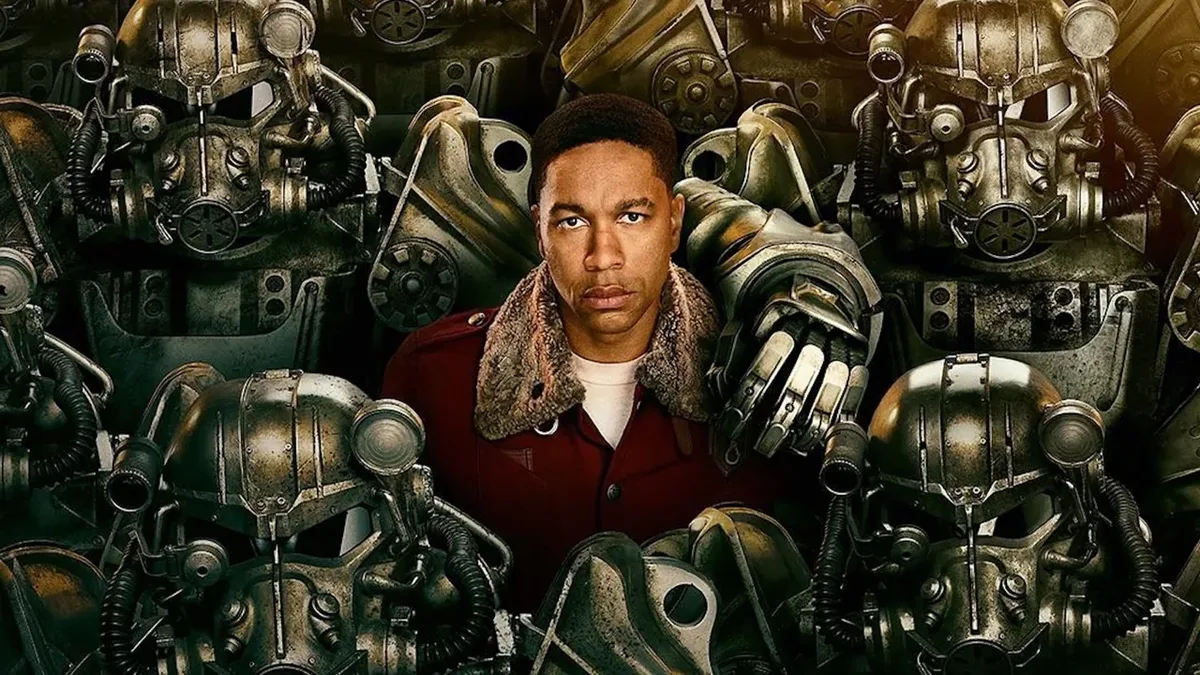
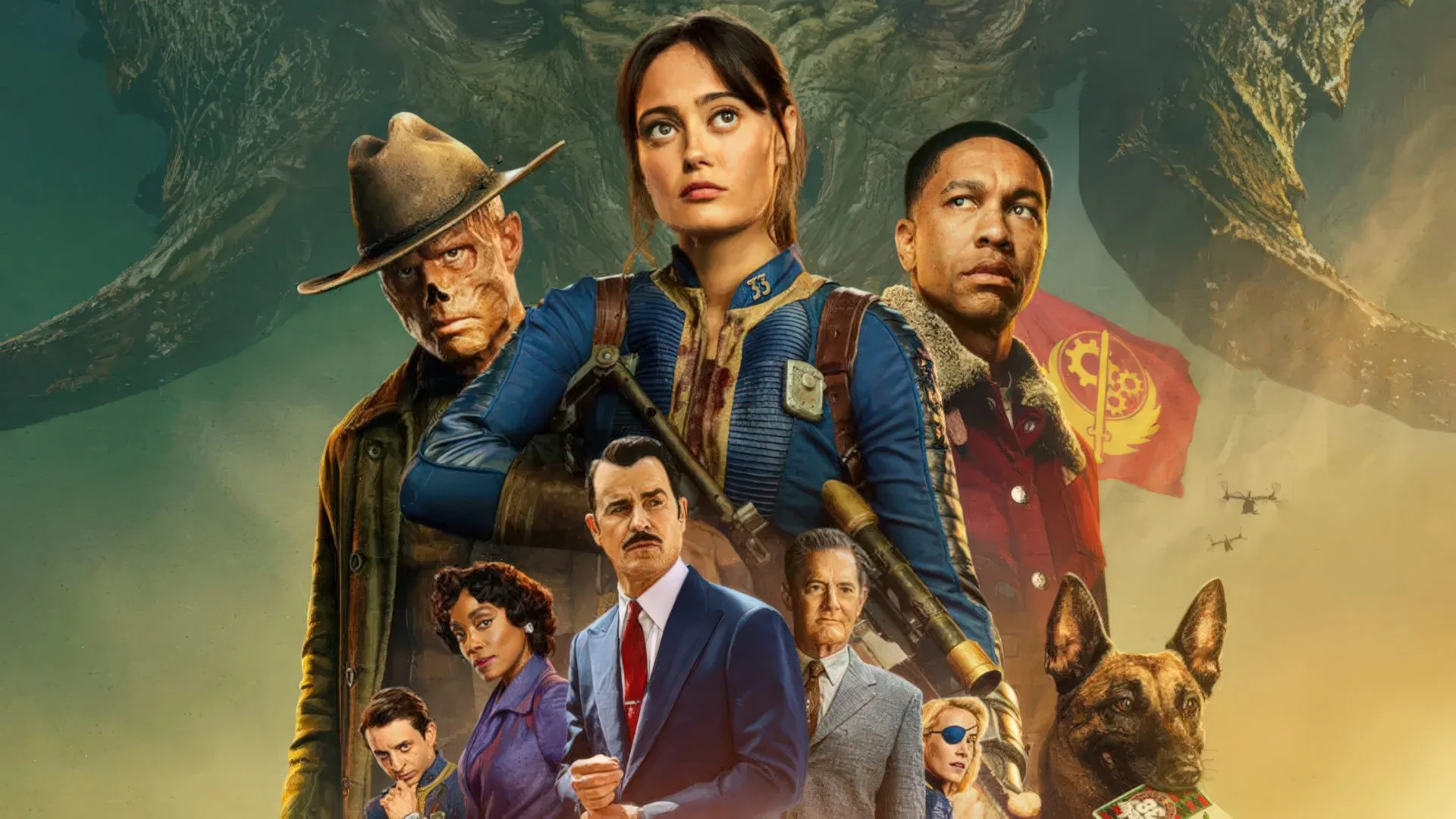
An expanding Wasteland demands new legends, and Season 2 delivered with a slate of high-profile, lore-significant additions that sent fans into a frenzy. The pre-war industrialist Robert Edwin House, the enigmatic ruler of New Vegas, was brought to life with calculated charm by Justin Theroux. His introduction opens the door to the franchise's most politically complex and morally ambiguous location, promising high-stakes corporate and geopolitical drama. In a casting coup that dominated social media, Macaulay Culkin appeared as the sinister Lacerta Legate, a high-ranking officer in Caesar’s Legion. This role provides a terrifying, personal face to the hitherto-mysterious and fan-favorite faction, raising the visceral stakes for the protagonists. Rounding out the major new faces was Kumail Nanjiani as the charismatic and duty-bound Paladin Xander Harkness of the Brotherhood of Steel, a character poised to explore the internal conflicts and rigid ideology of the series' most iconic faction.
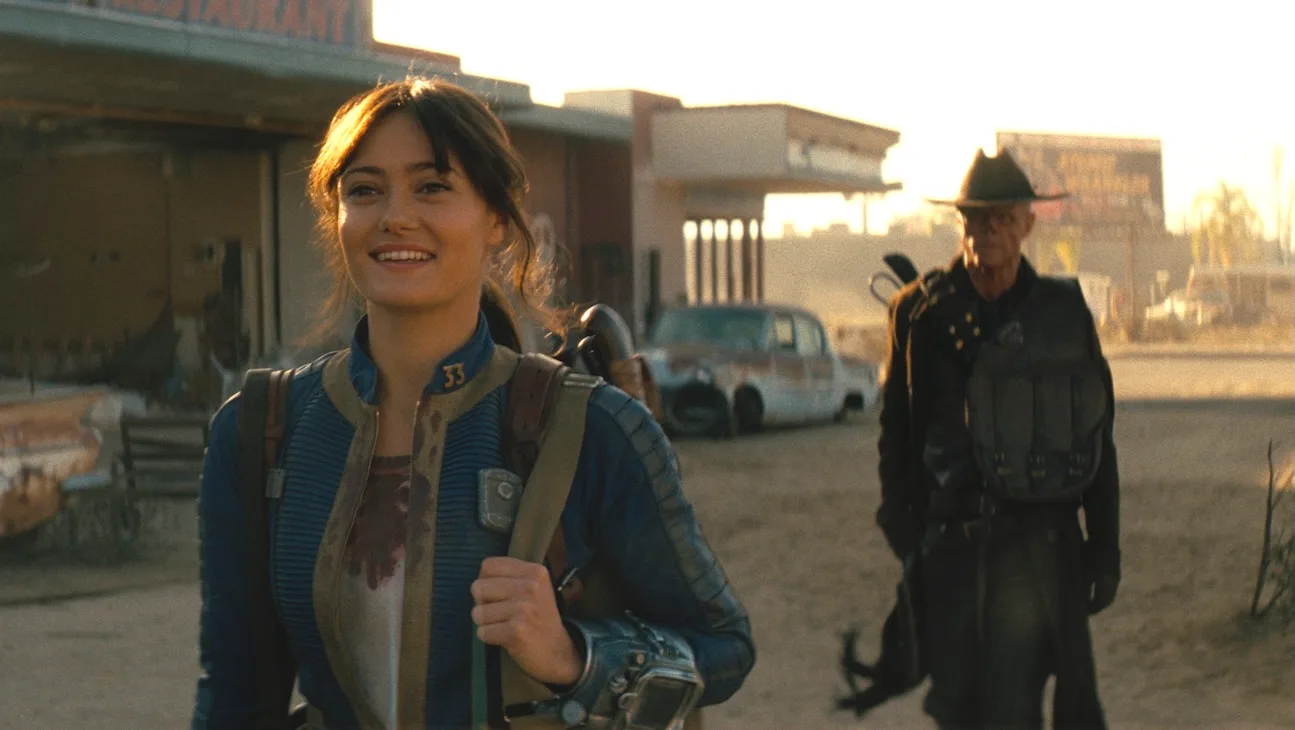
These characters did more than provide star power; they strategically enriched the show's world, pulling elements from both established game lore and introducing compelling new figures. They provided new foils and alliances for our core trio, all while the series continued to be anchored by the critically acclaimed, morally complex performance of Walton Goggins as the centuries-old bounty hunter, The Ghoul. This blend of stellar legacy performance and strategic new blood kept the narrative feeling fresh and vast.
The Road to Colorado: Season 2's Finale and the Future
The Season 2 finale didn't just conclude a story; it launched a thousand theories and charted the course for the future. The closing moments delivered a major tease: the destination of Colorado. With The Ghoul setting his sights on this new frontier, the roadmap for Season 3 was etched into the narrative. Showrunners have since hinted that the journey westward may involve significant "narrative detours," suggesting that the path to Colorado will be as fraught and story-rich as the destination itself.
Fans won't have to wait in suspense for a renewal green light. Reflecting immense confidence in the property, Amazon officially confirmed Season 3 in May 2025, well ahead of Season 2's premiere, with production scheduled to begin in summer 2026. This forward planning indicates a long-term vision for the series, a vision supported by the creative team's own suggestions that the story could potentially support an arc of five or six seasons. The Wasteland saga is being built for endurance, not just a fleeting tour.
Fallout’s ascent represents a perfect storm in adaptation alchemy, built on three pillars: 1) the authentic, collaborative creative process between Hollywood and Bethesda (Vault-Tec Approved), 2) a shrewd weekly release strategy that built sustained cultural momentum (By the Numbers), and 3) strategic casting that expanded the lore with both depth and spectacle (New Faces). By captivating over 100 million viewers, it has decisively shattered the 'video game curse.' It is no longer merely a "video game show"—it is a flagship streaming powerhouse. With the road to Colorado now stretching ahead and production on the next chapter confirmed, Fallout has not only found its place in the streaming ecosystem. It has claimed a kingdom.
Tags: Fallout, Prime Video, Streaming, Video Game Adaptation, Television