EU Confirms It Cannot Stop Sony’s Physical Disc Phase-Out: What This Means for Gamers
On July 1, 2026, Sony officially announced that all new PlayStation games will be digital-only from January 2028. The company will cease production of physical discs entirely, including...

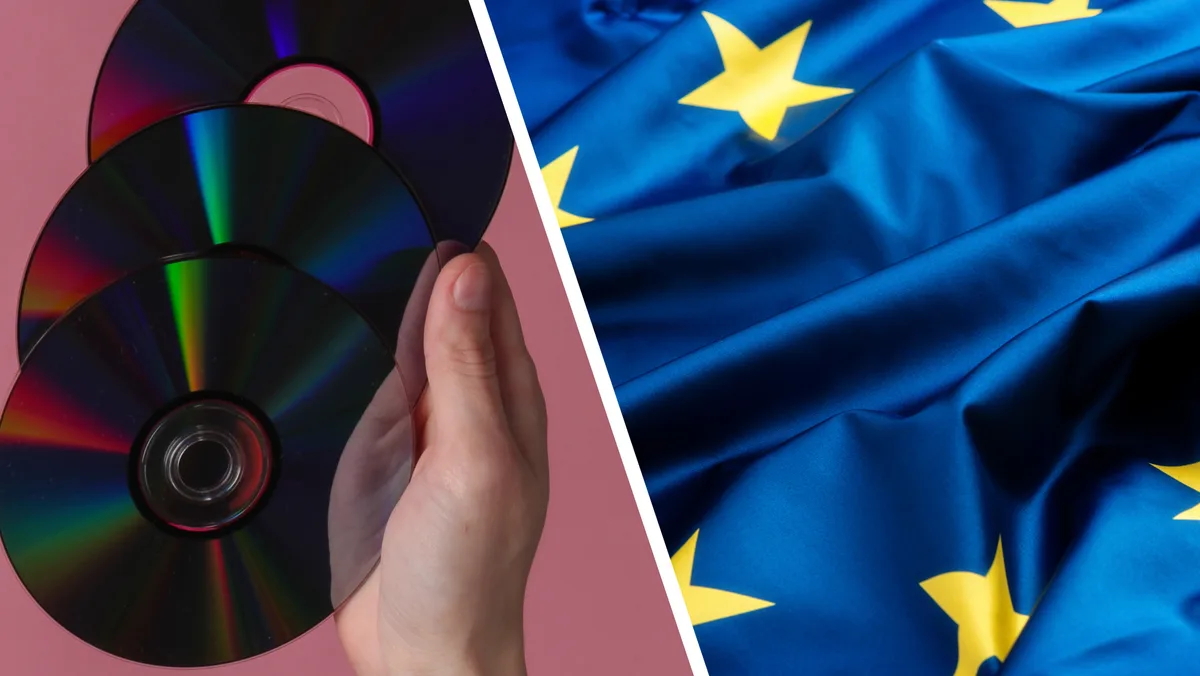
On July 1, 2026, Sony officially announced that all new PlayStation games will be digital-only from January 2028. The company will cease production of physical discs entirely, including “code-in-the-box” retail options that offer a download code inside a physical case. For many gamers, the writing has been on the wall for years. But the real shock came when the European Union said it had no legal power to intervene.
EU Commissioner Michael McGrath, responsible for Democracy, Justice, Rule of Law and Consumer Protection, confirmed the bloc cannot mandate Sony to keep making discs. “Companies are free to offer games and services in the manner that they see fit,” McGrath stated, so long as existing consumer rights (refunds, defective goods, unfair contract terms) are respected. This is a watershed moment. It exposes a regulatory vacuum that leaves gamers without meaningful recourse as one of the industry’s largest platforms moves to an all-digital future.
The irony is stark: consumer protection laws shield buyers from faulty products, but they do not guarantee the continued existence of physical media. Here is what happened, why the EU’s hands are tied, and what this means for the future of gaming.
Sony Goes All-Digital: The Facts
Sony’s announcement was blunt. From January 2028, new game releases on PlayStation will ship only as digital downloads. No discs, no cartridges, no retail boxes with codes. The only exception will be titles already in the pipeline before the cut-off.
Santa Monica Studio confirmed that God of War Laufey will be available on disc, suggesting a launch before January 2028. Meanwhile, Grand Theft Auto VI, due in November 2026, has already been announced as digital-only. That signals the industry-wide trajectory: even before Sony’s deadline, major third-party publishers are abandoning physical media.
Sony’s subsidiary, Sony Digital Audio Disc Corporation, is the sole manufacturer of PS discs. No third-party alternative exists. So when Sony stops, physical PlayStation games stop entirely. There will be no licensed disc production through another company. The infrastructure is gone.

The EU’s Hands Are Tied: Why Regulation Fails
Commissioner McGrath’s statement was the final word after months of lobbying. In June 2026, 45 Members of the European Parliament wrote to Commission President Ursula von der Leyen and McGrath seeking legislative action to preserve physical games. Their request was denied.
The EU’s position is rooted in commercial freedom. As long as companies respect existing consumer protections (like refund rights for faulty digital purchases), regulators cannot dictate how goods are distributed. The Commission previously stated it cannot force publishers to maintain servers or offer preservation methods after online services end, citing copyright and intellectual property law. The same logic applies to physical media: there is no legal basis to order Sony to keep stamping discs.
The EU’s fallback is a voluntary industry code of conduct for managing video games’ end-of-life. But voluntary means unenforceable. Without binding regulation, Sony and other publishers can follow their own incentives with zero legal consequence.
This is not about consumer hostility. It is about a systemic gap in law. Current frameworks protect buyers from defective products and unfair contracts, but they do not mandate the production of goods that consumers prefer. The right to own physical media is not a recognized right.
Why Sony is Doing This: The Financial Logic
Sony’s move is not irrational. It is a financial calculation based on margins.
For first-party titles, Sony keeps roughly 65% of revenue from physical sales after retail and manufacturing cuts, compared to 100% from digital. For third-party titles, Sony takes a licensing fee of about 15% on disc sales versus 30% on digital. Digital-only distribution eliminates manufacturing costs, retailer margins, and the resale market. Every digital sale delivers higher profit.
Analyst Dr. Serkan Toto of Kantan Games summed it up: “Sony will not reverse this decision.” He noted that even if 500,000 PlayStation Plus subscribers cancel in protest, that is just 1% of the estimated 50 million subscriber base. The financial hit is negligible. Sony has gone radio silent since the announcement, a silence that confirms the decision is final.
The economics are irreversible. Physical discs are a legacy cost. Digital is the future, and Sony is sprinting toward it.
The Consumer Backlash, And Its Limits
Gamers have not taken this lying down. A Change.org petition titled “Don’t Kill the Disc” has amassed over 286,000 signatures. PlayStation users have been cancelling PS Plus subscriptions in protest. None of these actions are binding.
Unconfirmed reports suggest a lawsuit may have been filed against Sony over the disc phase-out, but this has not been verified by major outlets. Even if real, existing legal frameworks do not guarantee physical media production, challenging the decision under antitrust or consumer law would face uphill odds.
The deeper concern is not just the loss of the plastic disc itself. It is the loss of the resale market, the ability to lend or borrow games, and long-term preservation. A digital library is a license that can be revoked. A disc, in theory, is permanent. The voluntary code of conduct does not guarantee future access to purchased digital games. As online stores shut down and servers go dark, entire libraries can disappear.
What This Means for You
For the average gamer, the shift to all-digital has tangible consequences that go beyond nostalgia. Without physical discs, you lose the ability to:
- Resell your games, No more trading in titles at local retailers or selling on eBay. Once purchased, a digital game stays tied to your account forever.
- Lend or share games, No more handing a disc to a friend or family member. Digital licenses are non-transferable under current terms.
- Play offline after server shutdowns, A disc can be played without an internet connection indefinitely. A digital download relies on servers that will eventually go dark, even if the game remains installed.
- Access your library if your account is banned or compromised, Physical media is immune to account suspensions. Digital libraries are not.
The EU’s voluntary code of conduct offers no protections here. It does not mandate that publishers provide DRM-free downloads, maintain backward compatibility, or guarantee access after store closures. The regulatory vacuum means consumers have no legal recourse if their digital collections become unplayable years down the line.
The Disc Era’s Endgame
Sony’s decision is uniquely significant. Xbox Series S is already discless, but Series X still offers a disc drive. Microsoft has not announced a full phase-out. By eliminating discs for its entire platform, Sony sets a precedent that other publishers may follow without fear of regulatory pushback.
The EU’s regulatory vacuum means the industry can shift to all-digital without oversight. The voluntary code of conduct is a fig leaf. It provides no enforcement, no mandate, no guaranteed consumer rights beyond what already exists.
Gamers now face a choice: accept the all-digital future or demand legislation that closes the gap. The 286,000 signatures and PS Plus cancellations show demand for physical media, but corporate incentives will prevail unless pressure reaches a scale that forces lawmakers to act. Gamers can push for change by supporting preservation-focused campaigns like the “Right to Own” initiative, or by contacting their MEPs to demand binding rules that require digital storefronts to provide DRM-free offline downloads.
The disc era is ending not because consumers prefer it, but because profit margins demand it. The only real recourse is a grassroots movement large enough to make physical preservation a legislative priority. The question is whether gamers will accept this future, or whether they will organize to demand the right to own the games they buy.