Epic Games Cuts 1,000+ Jobs and Shuts Down Fortnite Modes: A Deep Dive into the Financial and Strategic Shifts
The Scale of the Cut: Layoffs and Financial Reality The sheer magnitude of the layoffs underscores the severity of Epic's situation. The company is cutting approximately 23% of its workforce,...

The Scale of the Cut: Layoffs and Financial Reality
The sheer magnitude of the layoffs underscores the severity of Epic's situation. The company is cutting approximately 23% of its workforce, amounting to over 1,000 employees. This devastating blow comes less than two years after a previous round in 2023, which saw 830 jobs eliminated. In a note to staff, CEO Tim Sweeney delivered a stark assessment: the company has been "spending significantly more than we're making." He identified a specific "downturn in Fortnite engagement that started in 2025" as a primary catalyst for the drastic action.
The financial target is equally staggering. This restructuring is part of a plan to achieve over $500 million in cost savings through cuts in contracting, marketing, and the closure of open roles. Sweeney was explicit in stating the layoffs "aren't related to AI," emphasizing a desire to retain creative talent for content creation. Impacted employees will receive a severance package including at least four months of base pay, with additional compensation based on tenure—a small consolation in a brutal job market.
The context makes these cuts even more startling. Epic Games is estimated to have generated a colossal $6.21 billion in gross revenue last year. This figure highlights a critical crisis not of income, but of profitability. Despite the river of revenue from Fortnite and the Epic Games Store, operational and legal expenditures have outpaced it, creating what Sweeney framed as an unsustainable financial model.
Fortnite's Paradox: Popular but Under Pressure
At the heart of Epic's dilemma is a paradox surrounding its flagship title. By key metrics, Fortnite remains a juggernaut. According to Circana data from February 2026, it was the most popular game by monthly active users on both PlayStation (35% of actives) and Xbox (31%). Yet, this surface-level success masks underlying strain. The same data shows a year-over-year decline in average monthly playtime per user. Fortnite is attracting players, but holding their attention for as long is becoming more challenging.
This engagement "downturn" has direct financial consequences. It impacts the sale of Battle Passes, cosmetics, and the core currency, V-Bucks. Epic has already taken steps to counter rising costs, including a recent increase to V-Bucks prices. Furthermore, the company's other major revenue stream, the Epic Games Store, is described as only "marginally profitable," despite PC players spending $1.16 billion on the platform last year. The store's aggressive free-game strategy and 88/12 revenue split, while popular with consumers and developers, have yet to translate into strong bottom-line results. Compounding this, Fortnite's return to mobile platforms—a critical market—is still in its early, uncertain stages following its legal victories.
Faced with this engagement squeeze, Epic's first operational response is a ruthless prioritization of resources.
Sunsetting Experiences: The End for Rocket Racing, Ballistic, and Festival
Concurrent with the layoffs, Epic announced the impending shutdown of three Fortnite modes: Rocket Racing, Ballistic, and Festival Battle Stage. This is a clear, operational manifestation of the company's new austerity. These modes, while ambitious expansions of the Fortnite "platform," represent significant ongoing development and server maintenance costs. Their closure is a direct cost-cutting and focus-sharpening measure, pruning projects that likely failed to achieve the engagement or revenue needed to justify their resources.
For the community, this marks a shift in the identity of Fortnite. The game has long been touted as a persistent metaverse-like platform where new experiences could live indefinitely. The sunsetting of these modes suggests a pivot back to a more curated, core-focused approach, potentially cooling the "everything platform" ambitions. Player sentiment will be tested as invested communities in these specific modes see their digital spaces closed.
Beyond in-game adjustments, Epic's financial strain is compounded by unique external battles and internal challenges.
Systemic Strains: Legal Battles and Operational Challenges
Epic's financial pressures are not solely due to game engagement. CEO Sweeney pointed to the company's unique role as the "industry's vanguard" in landmark legal battles, specifically its fights against Apple and Google. While these efforts resulted in significant rulings and opened doors for alternative payment systems, they were astronomically expensive. Acting as a de facto legal representative for the entire industry created a financial drain few other companies face.
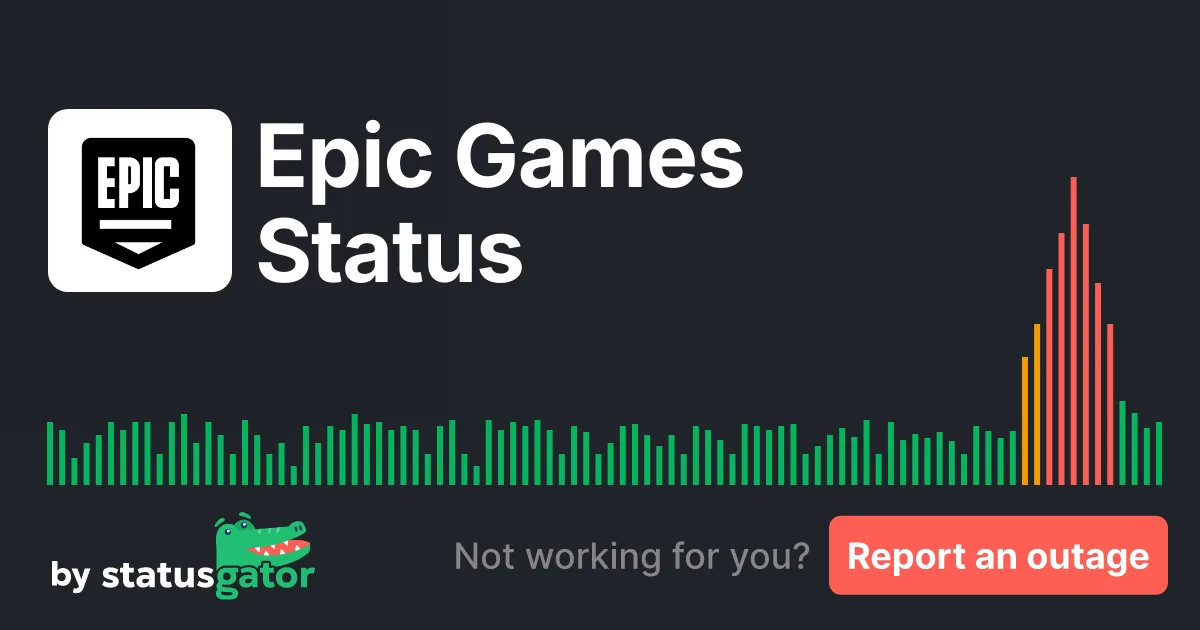
Operational challenges have also surfaced. Epic Online Services has suffered multiple recent outages, disrupting login and matchmaking for countless players. Notably, a third-party monitor gave Epic's official status page a "C - Fair" accuracy rating, citing delays in acknowledging these incidents. These technical stumbles point to potential strain on infrastructure and DevOps teams, contributing to what Sweeney called "tougher cost economics" and adding to the operational overhead squeezing the company's profitability.
The Road Ahead: Epic's Stated Strategy and "Next Generation"
In the wake of this contraction, what is Epic's path forward? The company's stated strategy now centers on two pillars: building "awesome Fortnite experiences" and accelerating the development of developer tools for Unreal Engine. This suggests a refocusing on its proven core strengths—the battle royale behemoth and the engine that powers a vast segment of the industry—while streamlining peripheral projects.
Most intriguing is Sweeney's mention of preparing for a "next generation of Epic" launch by the end of the year. This cryptic phrase invites speculation. It could signal a major new version of Unreal Engine, a fundamental shift in the Fortnite creative ecosystem, or a new business model entirely. It positions this painful restructuring as a necessary reset to build a more stable foundation for this future initiative.
The layoffs and closures at Epic Games are a sobering case study for the modern gaming industry. They demonstrate that even historic success and billions in revenue offer no immunity from the harsh realities of profitability, engagement volatility, and the immense cost of innovation and legal warfare. Fortnite is not disappearing, but its guardian is making brutal, calculated choices to ensure its own survival. The promised "next generation of Epic" will be the ultimate test of whether this severe strategic contraction was a painful correction toward long-term stability or merely a pause before deeper challenges emerge. The entire industry will be watching.