Embracer's "Long-Awaited" Game: Decoding the Tease Beyond the Gothic Remake
A single line in Embracer Group's latest financial report has set the gaming rumor mill ablaze: a "long-awaited, major" in-house title is coming in its 2026/27 fiscal year. With the highly...

A single line in Embracer Group's latest financial report has set the gaming rumor mill ablaze: a "long-awaited, major" in-house title is coming in its 2026/27 fiscal year. With the highly anticipated Gothic 1 Remake already locked for June 2026, one question dominates: what—or more importantly, who—is Embracer's next big bet? This announcement is more than a simple release tease; it is a direct signal of Embracer's decisive pivot from a sprawling acquisition empire to a focused "IP-first" conglomerate. The identity of this mystery project could very well define the next chapter for one of gaming's most complex players.
Embracer's Restructuring: From Sprawl to "IP-First"
To understand the significance of this teased title, one must first grasp the transformative state of Embracer Group. The Q3 2025/26 results laid bare the necessity for change: a 26% year-over-year decrease in net sales and a 44% drop in adjusted EBIT. These numbers are the direct catalyst for a major transformation.
The strategy is now clear and starkly different from the growth-by-acquisition model that defined Embracer for years. The company is actively shedding weight to become leaner and more focused. The completed spin-off and separate listing of the Coffee Stain Group in December 2025 is a prime example of this divestment process. Embracer’s new mantra is to function as an "IP-first group," concentrating resources and attention on its most valuable owned franchises while streamlining operations and capital expenditure.
Interestingly, this efficiency drive includes a stated exploration of AI tools for development support. However, the company was careful to note in its communications that core creative functions—especially storytelling—will remain "human-led." This balancing act between fiscal discipline and creative integrity sets the stage for where Embracer will place its biggest bets.
The "Long-Awaited" Tease: What We Know (And What We Don't)
The official announcement is specific yet cryptic. For the fiscal year running from April 2026 to March 2027, Embracer plans to release just one "major" title that is both developed and published by its own studios. The descriptors "long-awaited" and "major" immediately rule out several known projects.
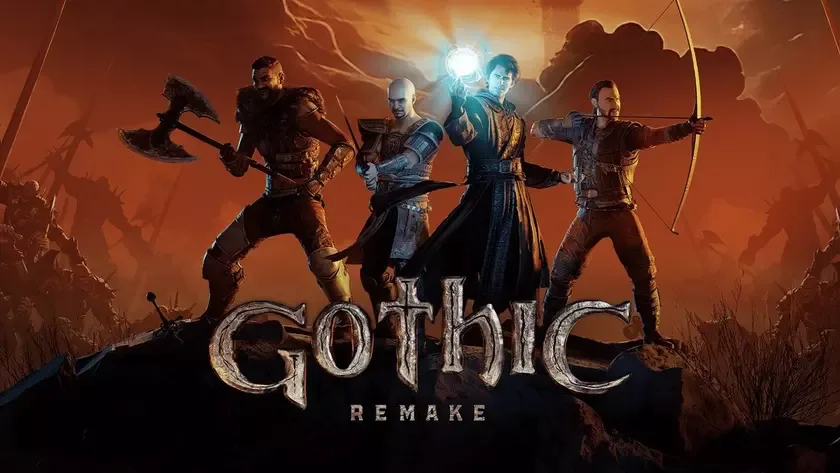
First and foremost, this is almost certainly not the Gothic 1 Remake. While a major release for fans, its June 2026 release date places it in the previous fiscal year (2025/26). Furthermore, its publishing is handled by THQ Nordic, not directly as an "in-house published" title under the Embracer umbrella for that fiscal period. Other announced games like Tarsier Studios’ Reanimal or Milestone’s Screamer, while exciting, do not carry the industry weight or decade-spanning anticipation implied by "long-awaited, major."
This process of elimination leaves a shortlist of Embracer’s crown jewel IPs. And one candidate stands out from the post-apocalyptic rubble.

The Prime Suspect: A New Metro Entry
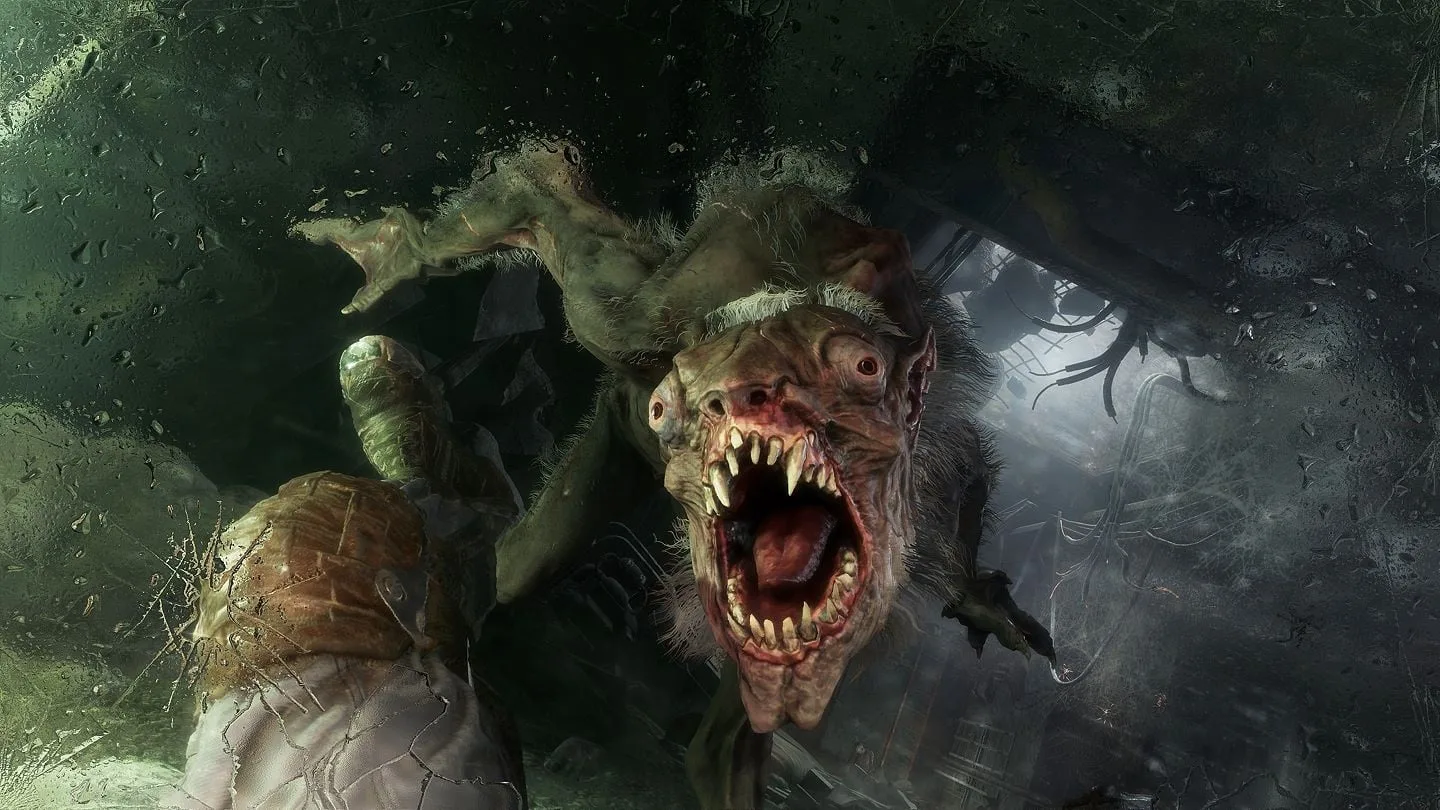
All credible evidence points to the next installment from 4A Games in the critically acclaimed Metro series. The case is compelling. The studio has been quietly working on a new project for several years, perfectly fitting the "long-awaited" moniker. As a key part of the Embracer ecosystem, its development qualifies as "in-house."
Beyond the timeline, the next Metro title is poised to be a profound narrative experience. Developers at 4A Games have confirmed the project is being deeply shaped by their real-world trauma during the ongoing war in Ukraine. This suggests a game that will double down on the series' foundational anti-war and politically charged themes, likely with an intensity unmatched in the medium. The continued collaboration with original author Dmitry Glukhovsky ensures narrative authenticity and weight. In an industry landscape often criticized for playing it safe, a major, politically resonant Metro game is exactly the kind of prestige, conversation-driving title a restructured Embracer would want to anchor its future.
Success Stories and Strategic Context
Embracer’s new "IP-first" strategy isn't theoretical; it has a recent, roaring success story to prove its potential. Kingdom Come: Deliverance II, from Warhorse Studios, surpassed 5 million copies sold within its first year and secured accolades like PC Gamer’s Game of the Year. It demonstrated that deep, faithful investment in a single, beloved core IP could yield both critical and commercial triumph.
The mystery 2026/27 title is positioned to be the next flagship in that mold. It is intended to be the flagship release that could define its financial year and public perception—a stark contrast to the past strategy of flooding the market with releases from a vast portfolio. This focused gamble represents Embracer’s thesis: that its path to stability and growth lies not in the breadth of its catalog, but in the depth of its most iconic worlds.
While the Gothic Remake will rightly command attention in 2026, Embracer’s financial teaser points to a different, larger pillar for the following year. The clues all converge on 4A Games and the next chapter in the Metro saga—a title carrying not just the expectations of fans, but the palpable weight of real-world history. This single, major release is the symbol of Embracer's high-stakes strategic pivot. The success or failure of this title won't just be measured in sales; it will be the ultimate test of whether Embracer's painful pivot from a sprawling empire to a focused storyteller can truly work.
Tags: Embracer Group, Metro Series, Game Development, Video Game News, 4A Games