EA Sports FC's World Cup Prediction Streak Lives On: How Spain's 2026 Win Keeps a 16-Year Tradition Alive
This article is a speculative analysis of EA Sports’ World Cup simulation streak, imagining a scenario where their prediction for the 2026 tournament proves accurate. A Perfect Streak: From 2010 to...

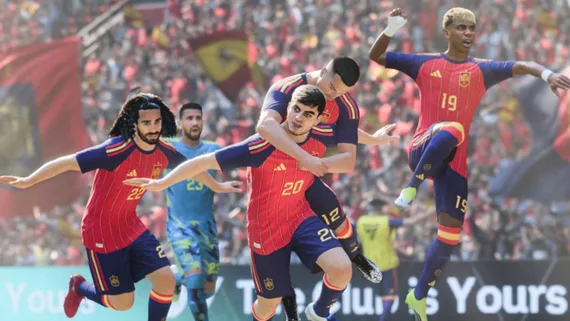
This article is a speculative analysis of EA Sports’ World Cup simulation streak, imagining a scenario where their prediction for the 2026 tournament proves accurate.
A Perfect Streak: From 2010 to 2026
EA Sports' run of correct predictions now spans 16 years and five tournaments. The streak began in 2010 when the game called Spain's first World Cup victory. It continued with Germany in 2014, France in 2018, Argentina in 2022, and now Spain again in 2026. Each time, EA ran a full tournament simulation before the real event and published the results. Each time, the simulated winner lifted the actual trophy.
The consistency is remarkable across different teams, eras, and game iterations. Spain's 2010 win came under the FIFA 10 engine. Germany's 2014 triumph used FIFA 14. France's 2018 victory came from FIFA 18. Argentina's 2022 run was simulated in FIFA 23. And Spain's 2026 win was predicted by EA Sports FC 26, the first World Cup prediction under the new branding. The name changed, but the algorithm's accuracy did not.

How EA Simulates the World Cup: Methodology and Mystery
EA Sports has never fully disclosed the methodology behind its World Cup simulations. The company runs every match in the tournament using the game's AI, from group stages through the final. But key details remain unknown. Which difficulty setting is used? Are rosters updated to reflect real-world injuries and call-ups? How many simulation runs produce the final result? EA has chosen not to share these specifics, adding an air of mystery that fans have come to embrace.
Some details in this year's simulation were imperfect. GameSpot noted that EA got at least one element "very, very wrong" in its 2026 simulation, though the outlet did not specify what. Yet the overall winner call remained perfect. This pattern holds across the streak. The simulations occasionally produce odd results in earlier rounds or unexpected runners-up, but each time the champion matches reality. The mystery of how the engine consistently identifies the eventual winner only adds to its allure.
The Cultural Phenomenon: Fans, Media, and the "Curse"
The prediction quickly escaped the gaming bubble. Fans circulated EA's X post widely on social media, treating it as a sign of destiny for Spain. Before the final, some supporters joked about a "curse" that might break the streak if Spain lost. Others embraced it as a good omen. The conversation transcended traditional sports coverage, with mainstream outlets and football purists alike debating whether a video game could really predict the future.
EA's official post-tournament tweet captured the moment perfectly: "We called it. You played it. Spain made it a reality." The message celebrated the streak's endurance and invited the community to share in the achievement.
Other prediction models existed for the 2026 tournament. Nate Silver's PELE model, KU Leuven's DTAI lab, and various prediction markets all offered forecasts. None received the same level of mainstream attention as EA's game-based simulation. The streak gave EA's prediction an almost supernatural credibility that data-driven models could not match. Fans wanted to believe in the video game magic.

What This Means for EA Sports FC and the Future
The streak surviving the transition from FIFA to EA Sports FC is significant. It reinforces brand trust in EA's new soccer series at a critical moment. The simulation tradition has become synonymous with the franchise, and its continued accuracy proves that the engine's quality did not depend on the FIFA license. EA can now leverage this streak as a powerful marketing tool for future World Cup cycles.
Looking ahead to the 2030 World Cup, EA has an opportunity to make the simulation an annual or seasonal tradition. Each tournament cycle, anticipation builds around the prediction. If the streak continues, it becomes a beloved quirk of the gaming calendar. But what happens if it breaks? Some argue the charm would fade. Others suggest the "almost supernatural" element makes the streak compelling either way. A broken streak might even add narrative drama, with fans wondering when the algorithm will strike again.
A Streak That Transcends the Digital Pitch
EA Sports' World Cup prediction streak is not just a marketing gimmick. It is a shared moment between gamers, football fans, and casual observers. Every four years, the gaming community watches a simulation run by a video game engine, and then watches that simulation come true. The uncanny accuracy adds a layer of fun and superstition to an already emotionally charged event.
Spain's 2026 victory gave the country its second World Cup title. The first came in 2010, which also marked the beginning of this streak. There is a poetry in that symmetry. As the 2030 World Cup approaches, the question lingers. Can EA keep the streak alive? For now, the algorithm remains undefeated. And as any fan knows, the best stories in football often come from the most improbable sources.