Doom’s Eternal Legacy: How a 1993 MIDI Soundtrack Earned a Place in the Library of Congress
When the first demonic growl echoed through the halls of id Software in 1993, few could have predicted that the soundtrack blasting through tinny PC speakers would one day be preserved alongside...

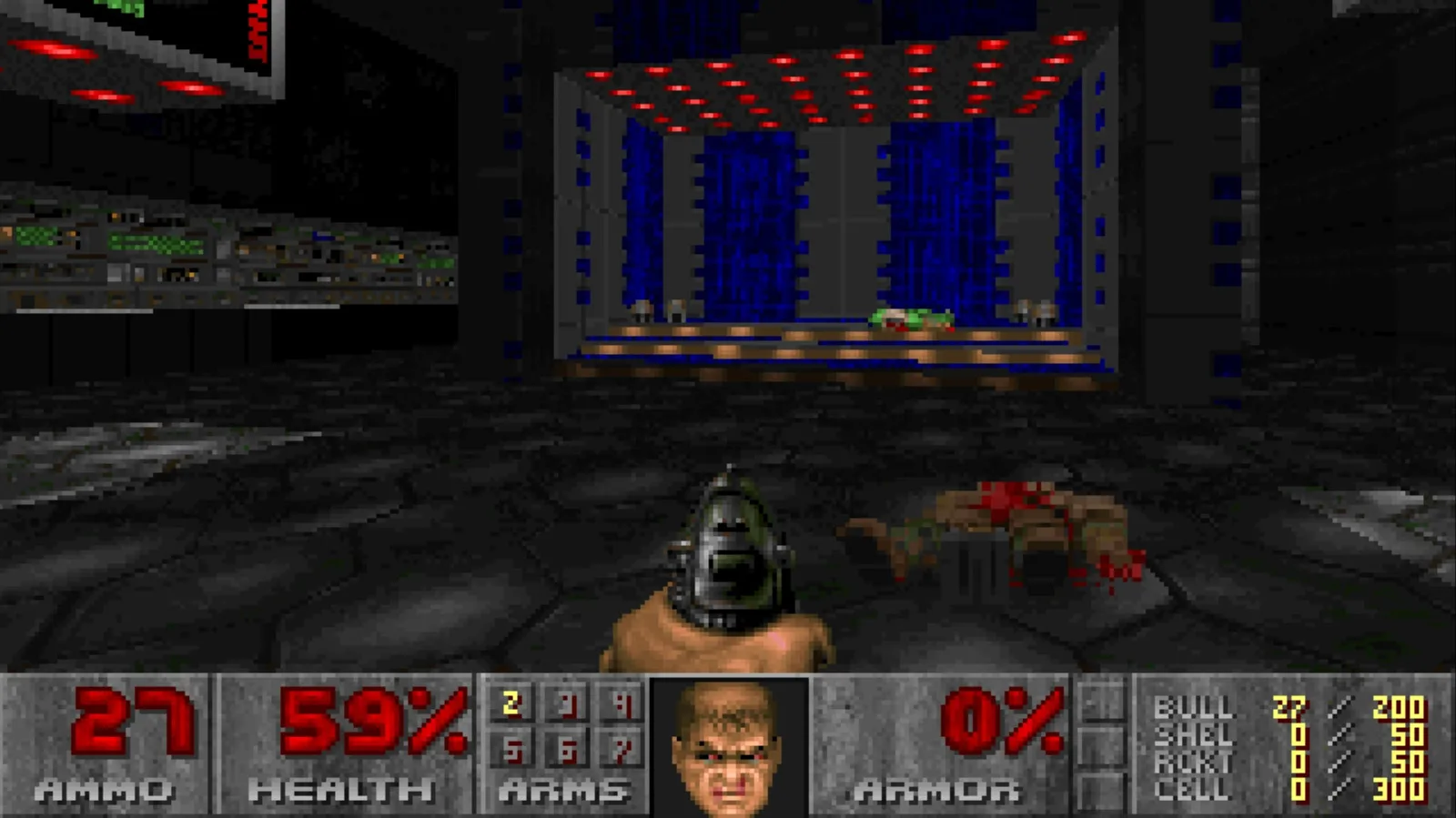
When the first demonic growl echoed through the halls of id Software in 1993, few could have predicted that the soundtrack blasting through tinny PC speakers would one day be preserved alongside Beethoven symphonies and Beatles albums. Yet here we are: the original Doom soundtrack has officially joined the Library of Congress's National Recording Registry, cementing its status not just as iconic game music, but as a vital piece of American cultural history. This isn't just a win for gaming—it's a recognition that the art form has grown up.
The Third of Its Kind – Why This Matters
The Doom soundtrack is only the third video game score ever inducted into the National Recording Registry, following the Super Mario Bros. theme (1985) and Minecraft: Volume Alpha (2011). This placement signals a shift: gaming music is no longer a niche curiosity but a recognized pillar of American musical heritage.
The Library of Congress selected 25 recordings from over 3,000 nominations, bringing the total registry to 700 titles—a highly competitive field that underscores the soundtrack's significance. According to the National Recording Preservation Board, the selection process evaluates recordings based on their "cultural, historical, or aesthetic significance" [Library of Congress, National Recording Registry Guidelines]. The inclusion places Doom alongside Beyoncé, Ray Charles, and Taylor Swift, demonstrating that the cultural weight of game soundtracks is now undeniable. For a medium often dismissed as juvenile or ephemeral, this is a powerful statement of legitimacy.
The selection process itself is rigorous. The National Recording Preservation Board evaluates recordings based on their cultural, historical, or aesthetic significance. For Doom, the board recognized that the soundtrack's raw energy and technical ingenuity not only defined a generation of gaming but also influenced broader musical and cultural trends. Some critics have questioned whether game soundtracks belong in the same registry as classical masterpieces, but Doom's induction—with its demonstrable influence on electronic music, metal, and film scoring—makes a compelling case that interactive music deserves its place in the canon.
The Man Behind the Mayhem – Bobby Prince's Unlikely Journey
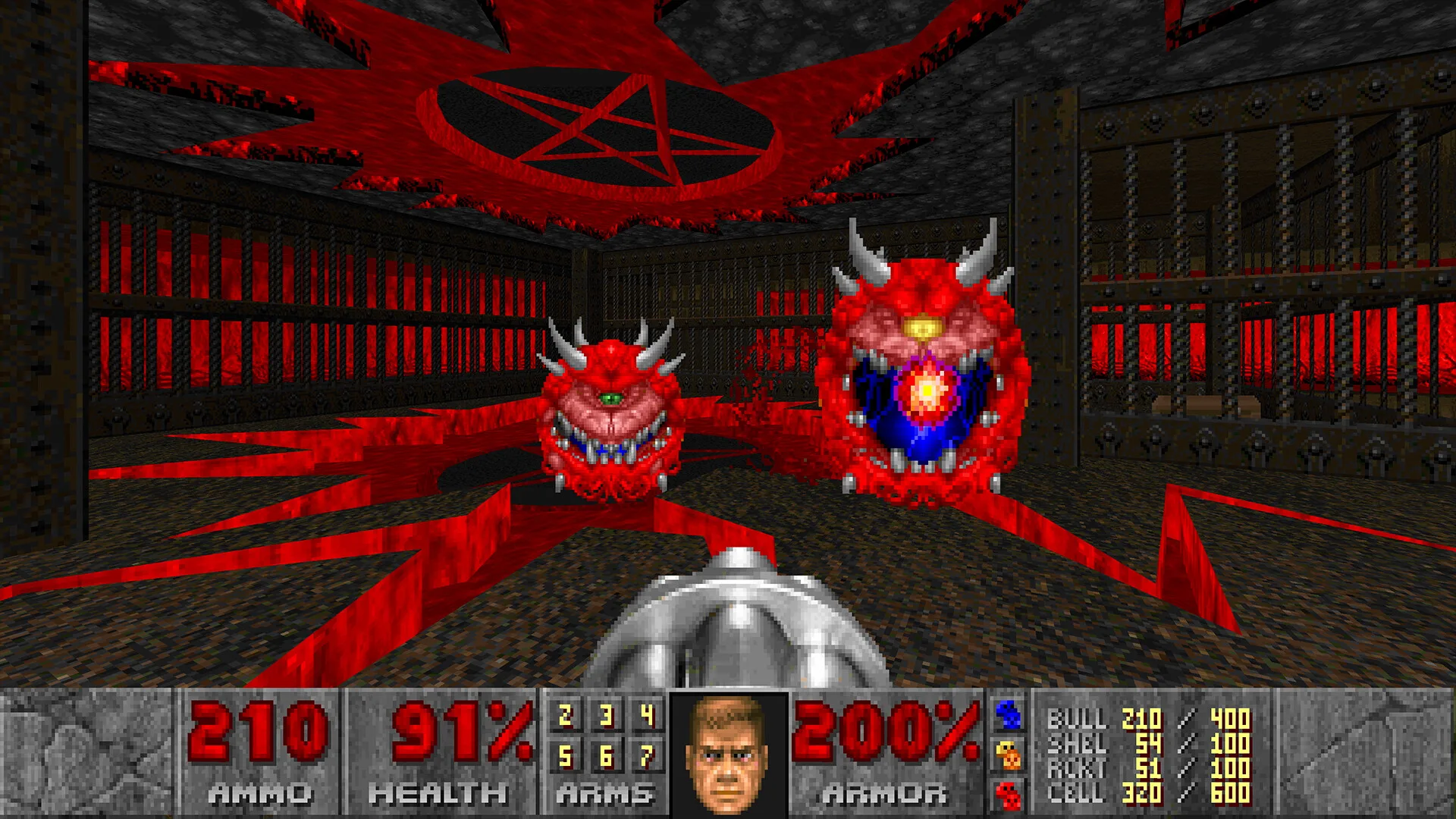
Bobby Prince was a freelance composer and practicing lawyer when he took on the Doom soundtrack—a dual career that adds a fascinating layer to the story. It's hard to imagine a more unlikely candidate for creating one of the most aggressive, adrenaline-fueled scores in gaming history. Yet Prince's legal background gave him a unique discipline, while his musical instincts were shaped by the heavy metal and grunge scenes of the early 1990s.
Prince composed the music before the game's levels were complete, working from CDs loaned by designer John Romero, which included Alice in Chains, Pantera, and Metallica, as Prince later recounted in interviews with gaming historians [Kushner, Masters of Doom, 2003]. This heavy metal and grunge influence gave Doom its aggressive, adrenaline-pumping energy, perfectly matching the game's demon-slaying action. The Library of Congress described the soundtrack as "the perfect riff-shredding accompaniment for the game's demon-slaying journey to hell and back," a quote that perfectly captures its raw power.
Prince's approach was anything but conventional. He treated the music as a functional component of the gameplay experience, designing tracks that would intensify during combat and provide brief respites in quieter moments. This dynamic integration set a standard for game music that would influence composers for decades to come.
MIDI Magic – How 1993 Technology Shaped an Iconic Sound
Prince used MIDI technology to compose the soundtrack, assigning sound effects to different MIDI frequencies so they could cut through the music despite the limitations of 1993-era sound cards, a technique he detailed in a 1994 interview with Computer Gaming World. This technical constraint became a creative strength: the music had to be aggressive, simple, and direct to work within the hardware's capabilities.
The result was a soundtrack that felt both chaotic and precisely engineered, a perfect match for the game's fast-paced, visceral combat. Prince understood that in the heat of battle, the music couldn't be subtle or complex—it had to hit hard and fast, like a shotgun blast to the face. This approach influenced countless game composers who followed, proving that limitations can breed innovation.
The MIDI format also allowed the soundtrack to adapt to different hardware configurations, ensuring that Doom sounded decent on everything from cheap Sound Blaster cards to high-end Roland synthesizers. This flexibility was crucial for a game that ran on an astonishing variety of systems, from DOS PCs to later ports on consoles and even calculators. This technical ingenuity earned Doom a place in a 2026 class that celebrates America's diverse musical heritage.
A 250th Birthday Gift – The 2026 Class in Context
The announcement was made on May 14, 2026, by the National Recording Preservation Board, with chair Robbin Ahrold calling the class "a thrilling reflection of America at its best" in celebration of the nation's 250th anniversary [Library of Congress, Press Release, May 14, 2026]. The 2026 class includes other iconic recordings: Beyoncé's "Single Ladies (Put a Ring on It)," Chaka Khan's "I Feel for You," Ray Charles' Modern Sounds in Country and Western Music, Taylor Swift's 1989, Weezer's "The Blue Album," "Feliz Navidad," and The Winstons' "Amen, Brother."
Doom's inclusion in this list—alongside music that spans genres, decades, and cultures—shows that the Library of Congress sees gaming as a legitimate and vital part of America's sonic tapestry. The timing, tied to the 250th anniversary, adds a layer of national pride: Doom is not just a game, but a piece of American creativity worth celebrating.
The "Amen, Brother" inclusion is particularly noteworthy, as that track's drum break became the foundation of hip-hop, jungle, and drum and bass. Its presence alongside Doom's MIDI riffs highlights how both recordings, born from different eras and genres, share a legacy of influencing countless artists and movements.
The Enduring Impact
For gamers who grew up with Doom, the soundtrack is more than background noise—it's a time capsule. Those opening chords of "E1M1: At Doom's Gate" instantly transport players back to a world of pixelated corridors, shotgun blasts, and the satisfying thwack of a demon's head exploding. It's music that defined a generation of PC gaming and inspired countless imitators.
The induction also raises important questions about the preservation of game music. Unlike traditional recordings, game soundtracks are often tied to specific hardware, software, and even gameplay contexts. As the Library of Congress works to preserve these works, it must grapple with how to capture not just the audio but the experience of hearing it while battling demons in a dimly lit room—a challenge that underscores the unique nature of interactive art.
For gamers, it's a validation of what we've always known: that the music of our childhoods, heard through crackling speakers while blasting demons, is art worthy of preservation. For the rest of the world, it's an invitation to listen closer. The next time you hear that iconic opening riff, remember: you're not just playing a game—you're experiencing history.
Sources
- Library of Congress. "National Recording Registry Guidelines." Library of Congress, 2026.
- Library of Congress. "National Recording Registry Announces 2026 Class." Press Release, May 14, 2026.
- Kushner, David. Masters of Doom. Random House, 2003.
- Prince, Bobby. "The Making of Doom's Soundtrack." Computer Gaming World, February 1994.
- National Recording Preservation Board. "Selection Criteria." Library of Congress, 2026.