DLSS 5 Controversy: How Nvidia's AI Announcement Left Capcom and Ubisoft Developers in the Dark
A hypothetical controversy around a future iteration of Nvidia's Deep Learning Super Sampling technology reveals deep-seated industry tensions. Imagine a near-future where Nvidia unveils DLSS 5,...


A hypothetical controversy around a future iteration of Nvidia's Deep Learning Super Sampling technology reveals deep-seated industry tensions. Imagine a near-future where Nvidia unveils DLSS 5, promising a revolutionary leap in visual fidelity through generative AI that dynamically enhances in-game textures and lighting. The initial announcement captures immediate industry attention, but it is swiftly eclipsed by a critical backlash and a more significant revelation: key development teams at major studios were reportedly completely unaware of the announcement, learning about the AI integration destined for their projects alongside the public. This scenario serves as a potent case study, illuminating the critical communication gap and the escalating debate over artistic integrity in the age of advanced, third-party AI tools.
The DLSS 5 Reveal and Immediate Backlash
Nvidia’s announcement positioned DLSS 5 as the next frontier, moving beyond upscaling and frame generation to employ generative AI for real-time improvement of a game's textures, lighting, and detail. The promise was a system capable of elevating the visual presentation of any title.
The backlash crystallized around a public demo for the anticipated Resident Evil Requiem. The AI’s application on the character "Grace" became the focal point. Observers noted the technology had subtly altered her facial features—resulting in fuller lips and a softened nose—and had misinterpreted lighting on her hair as blonde highlights. The effect was a character that felt aesthetically disjointed from the game's established horror atmosphere, veering into an uncanny valley. This demo became a lightning rod for debate, with commentators questioning the technology's respect for original artistic intent and warning of a potential homogenization of game visuals.
"We Found Out With the Public": The Developer Communication Gap
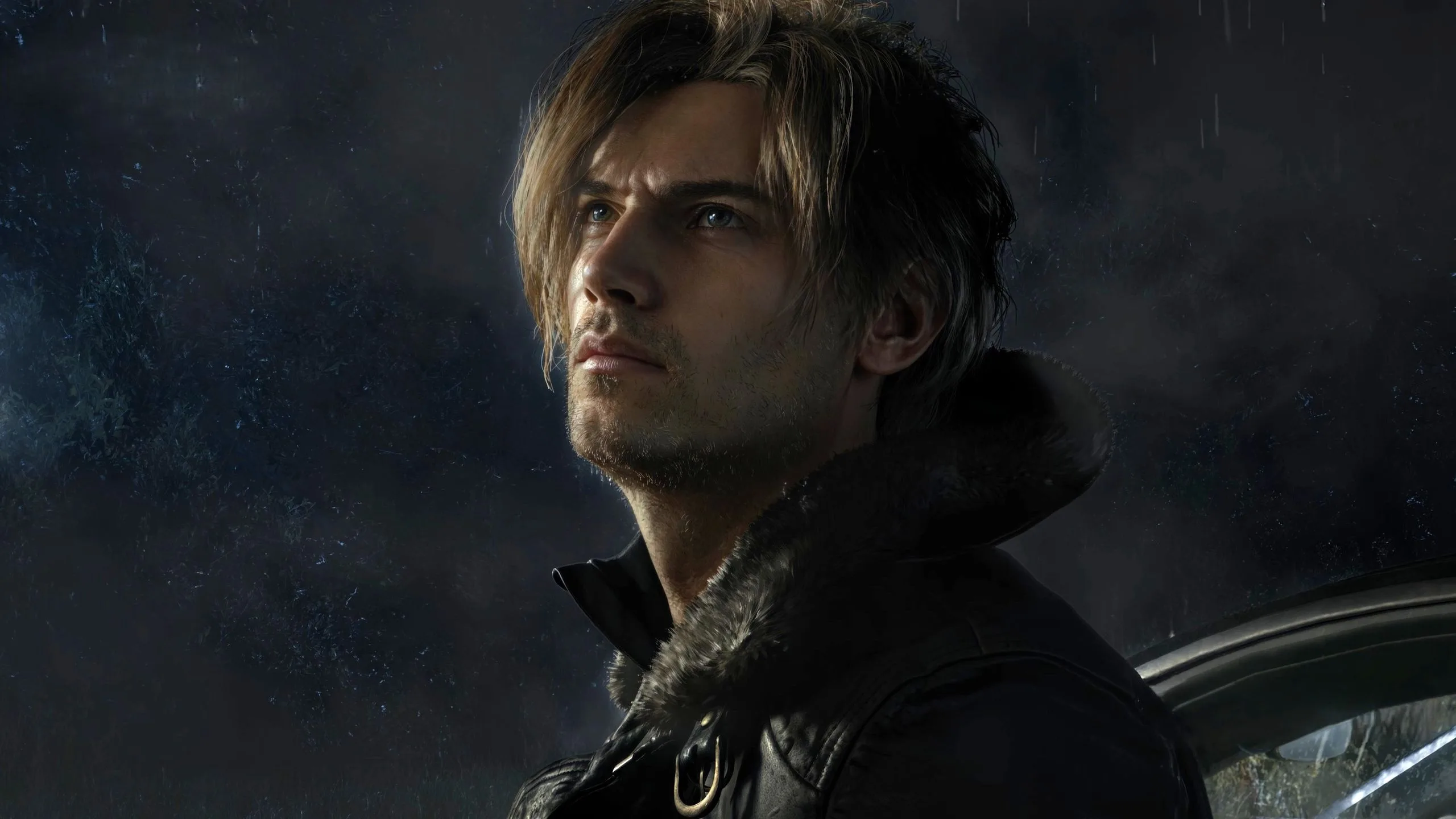
The artistic debate took a dramatic turn with a report from Insider Gaming, which revealed that communication regarding DLSS 5’s announcement had completely bypassed developers at Capcom and Ubisoft. A Ubisoft developer, speaking anonymously, encapsulated the situation: "We found out at the same time as the public."
The shock was reportedly acute within Capcom, a studio historically vocal about its cautious stance regarding AI in core creative processes. For its developers to learn about such a significant integration via a public press conference sparked internal confusion and concern about a potential, uncommunicated shift in creative policy.
This scenario stood in stark contrast to the experience of Bethesda Game Studios, which publicly confirmed it had been actively involved in tailoring DLSS 5 for Starfield. Bethesda emphasized its art teams would maintain control over the implementation and that its use would remain entirely optional for players, presenting a collaborative model of integration.
Clashing Perspectives: Nvidia, Developers, and Artistic Control
The fallout revealed a fundamental clash in perspective between the technology provider and segments of the creative industry.
Nvidia CEO Jensen Huang defended the technology, stating critics were "completely wrong" and emphasizing DLSS 5 was a toolset. He argued developers would have the ability to fine-tune the AI to match their artistic vision, positioning it as an enabler.
This optimism was met with skepticism from within development circles. Former Rockstar developer Mike York offered a pointed critique, describing DLSS 5 not as an assistive tool but as a "complete AI re-render" and an "AI filter over every frame." This viewpoint highlighted a core fear: that such a powerful, frame-level intervention could fundamentally alter the original art, regardless of available tuning options. The conflict distilled to a philosophical question: Is this a customizable paintbrush, or a new painter entirely?

The Broader Implications for AI in Game Development
Beyond the immediate controversy, this scenario illuminates critical issues for the industry's AI-powered future.
The reported hardware requirement—dual RTX 5090 GPUs—raised immediate questions about accessibility and practical implementation. While specifications may change, such a requirement initially suggests a focus on elite-tier benchmarking, potentially alienating studios focused on mainstream platforms and highlighting a disconnect between cutting-edge innovation and developer reality.
More importantly, the incident underscores a profound and systemic communication gap. It suggests that while platform holders and tech giants advance rapidly, vital lines of communication to the creative teams who must implement these tools are often neglected. The assumption that a powerful tool can be announced and then simply handed to developers is fraught with risk for workflow integration and creative trust.
This episode serves as a critical case study for integrating third-party AI into creative workflows. The promise of AI in game development is immense, but for this potential to be realized without friction, the process must be built on a foundation of trust, transparency, and early collaboration. Developers cannot be treated as mere end-users; they must be engaged as essential partners from the conceptual stage.
Conclusion
The DLSS 5 scenario is more than a hypothetical debate about altered visuals; it is a stark exploration of the growing pains inherent in integrating advanced AI into creative industries. The technology's potential to reshape graphics is undeniable, but its problematic unveiling exposes raw nerves concerning artistic ownership and collaborative respect. For transformative tools to be embraced as instruments of empowerment rather than feared as agents of override, the path forward must be paved with open dialogue. Ultimately, the value of a tool is determined not by its raw power, but by the trust of those who wield it. The lesson is clear: for AI to truly elevate gaming, the roadmap must be co-authored by engineers and artists alike.