Disney's Epic Ambition: Analyzing the Potential Acquisition of Fortnite Maker Epic Games
The State of Play: Disney, Epic, and an Existing $1.5 Billion Bet The speculation is built upon a foundation of deep, existing collaboration. In February 2024, Disney made a decisive $1.5 billion...

The State of Play: Disney, Epic, and an Existing $1.5 Billion Bet
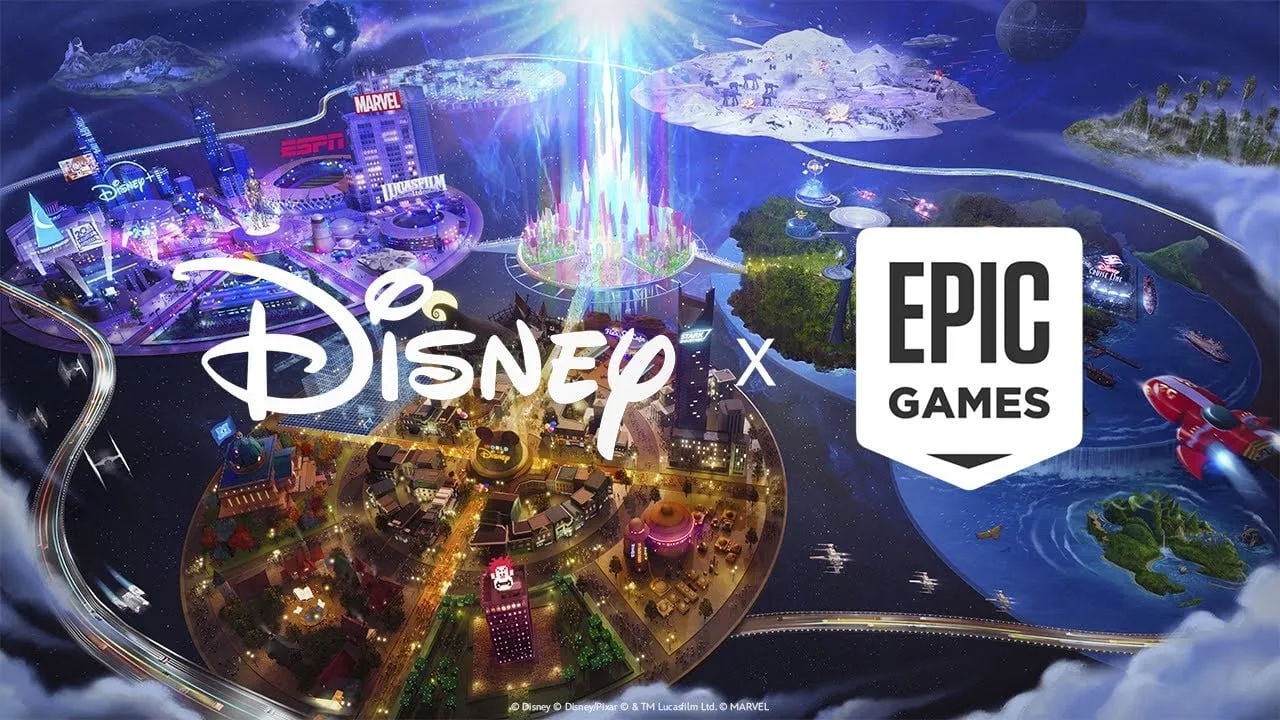
The speculation is built upon a foundation of deep, existing collaboration. In February 2024, Disney made a decisive $1.5 billion equity investment in Epic Games, cementing a strategic partnership. The core ambition of this alliance is the co-creation of a new, persistent "games and entertainment universe" anchored within the Fortnite ecosystem—a project often described as a "virtual Disneyland."
This partnership has a powerful champion in Disney CEO Josh D’Amaro, who backed the initial investment. Under his leadership, gaming and interactivity are being elevated to central pillars of Disney's strategy. D’Amaro has articulated a vision where Disney+ evolves beyond a streaming portal into an interactive experience, with the Epic partnership serving as a cornerstone for this digital future.
This deep collaboration is precisely why the idea of a full acquisition has moved from fantasy to a serious boardroom proposition—and a source of intense internal debate.

The Strategic Case For: Why "The Happiest Acquisition on Earth" Makes Sense
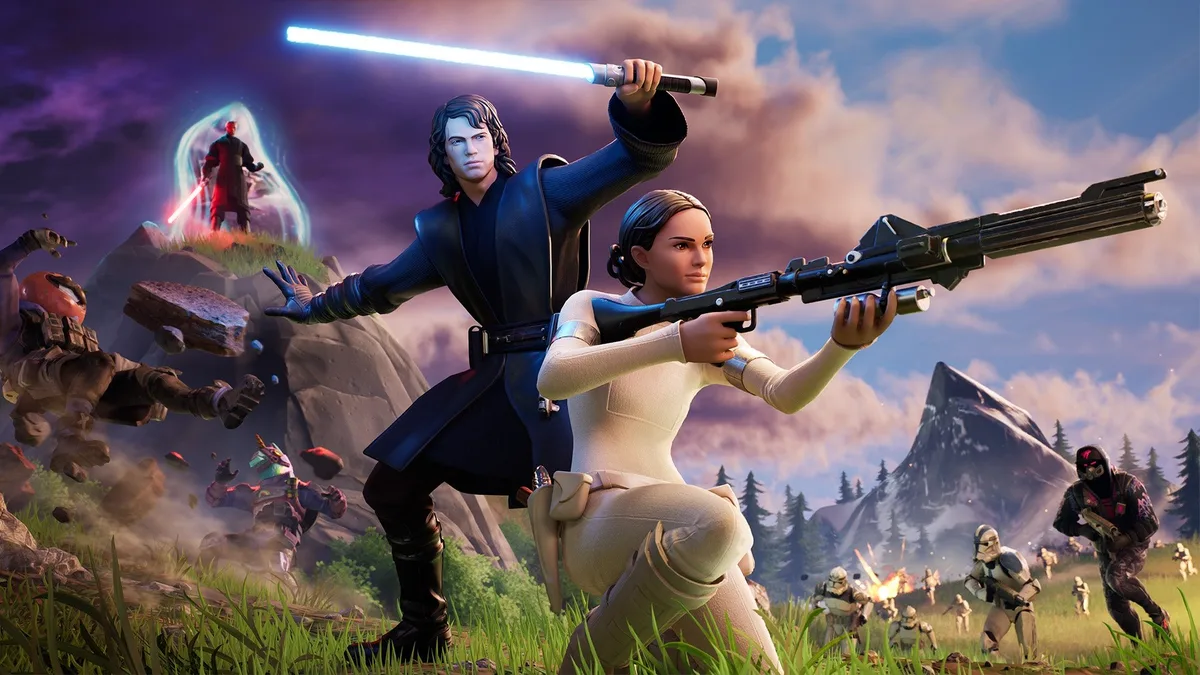
For proponents, the logic is compellingly clear. The synergies between the two companies are already demonstrable and wildly successful. Integrations of Disney IP—from Marvel superheroes and Star Wars characters to classic animated icons—have been some of Fortnite's most celebrated and lucrative collaborations. Owning the platform would allow Disney to seamlessly and perpetually monetize its vast library within one of the world's most popular digital spaces.
The strategic rationale extends beyond skins and emotes. Epic's Unreal Engine is already the technological backbone for Disney's most ambitious projects, powering visual effects in blockbuster films and driving immersive experiences in theme parks. Acquiring Epic would give Disney direct control over this critical piece of creative infrastructure.
Furthermore, Fortnite represents an unparalleled channel to capture the attention of Generation Alpha and Gen Z, a demographic crucial for Disney's long-term relevance. As former Disney executive Kevin Mayer stated, acquiring an asset like Epic Games would be a "great addition" to drive revenue growth and bolster Disney's competitive stance against other tech and gaming giants. In an era where platforms like Roblox dominate youth engagement, owning Fortnite would instantly position Disney as a dominant player in the interactive social space.
The Skeptics' Corner: Internal Opposition and Epic's Challenges
Despite the apparent synergies, significant hurdles fuel internal skepticism at Disney. The "bad idea" sentiment reported among some executives likely stems from Epic Games' current context. The company is navigating a period of significant turbulence, having announced layoffs of over 1,000 employees in early 2026 alongside a plan to slash expenses by $500 million. This cost-cutting initiative follows reported challenges with Fortnite player retention and in-game spending trends stretching from 2025 into 2026, suggesting the crown jewel may not be as unassailable as it once was.
Adding a formidable layer of complexity is Epic's corporate structure. The company remains privately held and founder-controlled, meaning any acquisition would be subject to the approval of CEO Tim Sweeney, a known proponent of developer-friendly platforms and fierce critic of walled-garden ecosystems like Apple's. Convincing Sweeney to relinquish control is a non-negotiable and potentially insurmountable hurdle. For Disney skeptics, the prospect of paying a premium for a company undergoing restructuring, facing market headwinds, and controlled by a strong-willed founder presents a substantial financial and operational risk.
The High-Stakes Game: Market Implications and Future of Entertainment
The ramifications of such a deal would ripple far beyond Burbank and Cary, North Carolina. A Disney-owned Epic Games would dramatically alter the competitive landscape, creating a direct powerhouse to challenge metaverse-oriented platforms like Roblox and gaming titans like Sony and Microsoft. It would represent the most definitive move yet by a traditional media conglomerate to claim sovereignty in the digital interactive realm.
The integration vision extends into every facet of Disney's empire. Imagine next-generation theme park attractions built and operated in real-time with Unreal Engine, creating dynamic, living worlds. Envision Disney+ not just as a streaming service but as a portal to exclusive interactive narratives and social experiences within the Fortnite universe. The potential is for a unified storytelling ecosystem that erases the line between watching a Marvel film and living within its world.
However, the scale is daunting. Given Epic's valuation, a full acquisition would likely be one of the largest in Disney's history, occurring as the company manages its own strategic priorities in a challenging media landscape. Regulatory scrutiny would be intense, examining the consolidation of such a vast content library with a dominant gaming platform. The financial and operational commitment would be all-consuming.
The debate within Disney captures a fundamental crossroads for the global entertainment industry. On one side lies a transformative, all-in bet on a future where gaming platforms are the primary conduits for culture, community, and story—a future where owning the destination is paramount. On the other side lies a more cautious, partnership-driven approach, leveraging iconic IP across third-party platforms without the colossal burden of ownership and operational integration.
Whether the proponents of acquisition or the voices of caution ultimately prevail, the very fact of this internal division highlights an irreversible truth. The convergence of gaming, social interaction, and traditional media is no longer a speculative trend but the defining paradigm of 21st-century entertainment. Disney's decision regarding Epic Games will send a definitive signal: either a bold declaration of intent to master this new convergent world, or a calculated choice to navigate it as a powerful tenant rather than seeking to become its landlord. The outcome will shape not just two corporate giants, but the very fabric of how future generations experience story and play.