Diablo's Future: Blizzard Aims to Accelerate Game Development After Decades-Long Gaps
The Legacy of Patience: Diablo's Historical Release Pace To understand the weight of this potential change, one must first appreciate the glacial pace that has shaped Diablo’s identity. Since the...

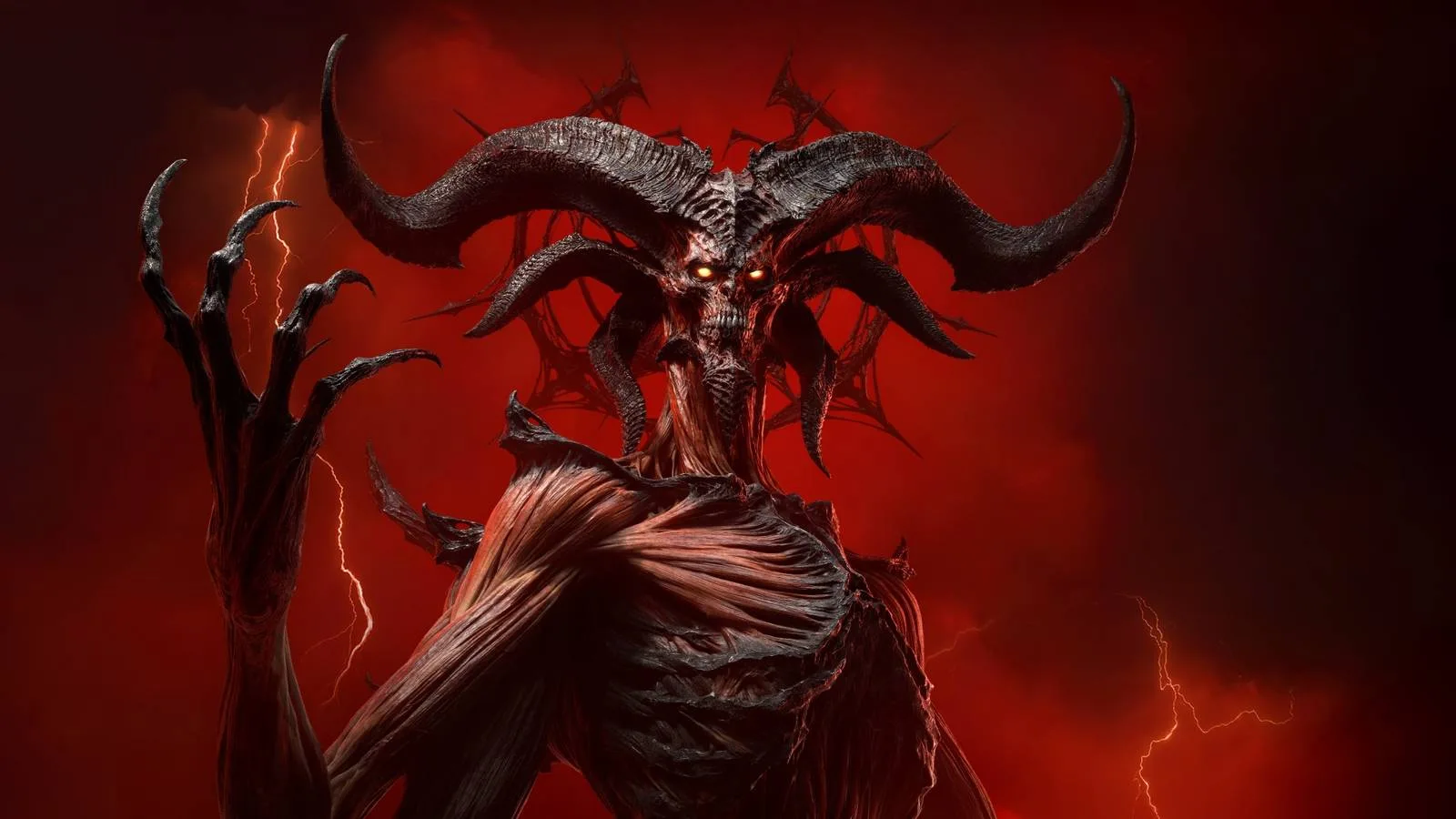
The Legacy of Patience: Diablo's Historical Release Pace
To understand the weight of this potential change, one must first appreciate the glacial pace that has shaped Diablo’s identity. Since the original game’s release in 1996, the core franchise output across nearly 30 years consists of just five titles: Diablo, Diablo II (2000), Diablo III (2012), the Diablo II: Resurrected remaster (2021), and Diablo IV (2023). The mobile title Diablo Immortal (2022) stands as a separate, if contentious, branch on this sparse family tree.
This deliberate pace transformed each numbered sequel into a cultural event. The long gaps allowed for generational leaps in technology, art, and gameplay systems, ensuring that each new entry felt like a monumental evolution. The dark, gritty revival of Diablo IV after the more colorful Diablo III is a testament to this cycle of reflection and reinvention. Yet, this model came with a significant cost: protracted content droughts for the player base. Communities would often spend years dissecting and modding a single game, waiting for the next chapter in a story that advanced at a pace rivaling the Eternal Conflict itself.
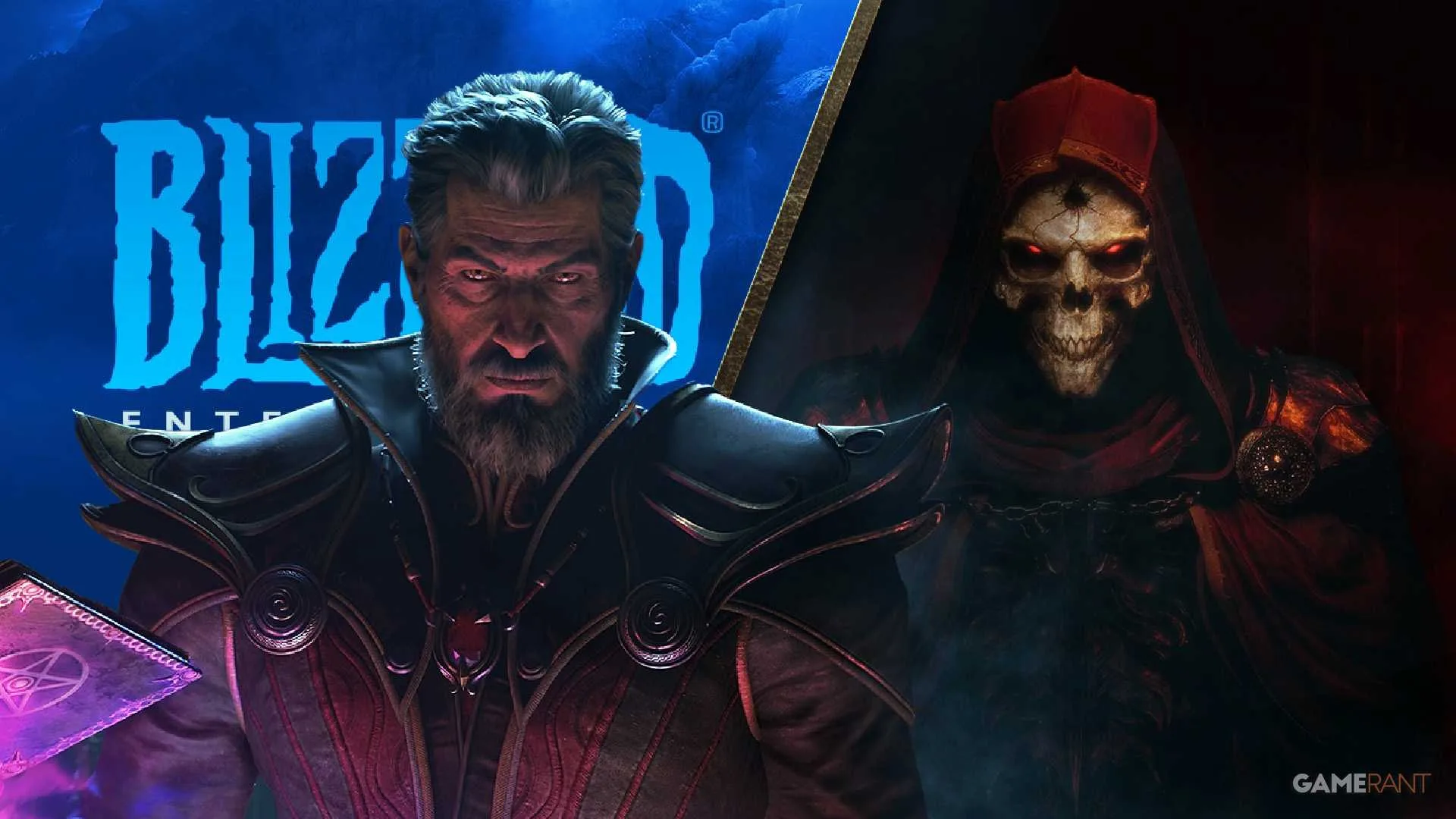
A Shift in Strategy: Blizzard's New Aspiration
The signal for change came from Gavian Whishaw, the executive producer for Diablo IV. In an interview with Variety, reflecting on the franchise’s history, Whishaw noted that in its first 30 years, Blizzard had released only the aforementioned handful of Diablo experiences. He then articulated a new aspiration: "over the next 30 years we do a few more than that."
The phrasing is crucial. This is not an announcement of Diablo V or a new spin-off. It is, as Whishaw suggested with the phrase "maybe we get some out faster," a clear indication of a conscious internal shift in philosophy. After decades of treating each Diablo as a singular, epoch-defining project, Blizzard is openly contemplating a future where the gates of Hell—and the studio’s release schedule—open more frequently. It is critical to emphasize that this remains an aspiration. The studio’s immediate and stated priority continues to be the robust live-service support of Diablo IV, culminating in its first major expansion, "Vessel of Hatred," scheduled for release in late 2024.

The Implications: What Could a Faster Cadence Mean?
Should this aspiration become reality, the implications for the franchise are vast and double-edged.
On the potential benefits side, a faster cadence could mean more frequent injections of new worlds, stories, and gameplay innovations for players. It would alleviate the immense pressure on any single title to be the "be-all-end-all" experience for a decade or more. A more iterative approach could allow Blizzard to experiment with bold new ideas—different settings, artistic styles, or core mechanics—without betting the entire franchise’s future on one gamble. The model could foster a more consistently engaged community, always with a new horizon on the way.
However, this shift naturally sparks significant fan concerns and potential risks. The primary speculation is that games could become smaller in scope or have less extensive post-launch support. Would a Diablo title released on a five or six-year cycle receive the same depth of end-game systems, or the same number of substantial seasons and expansions, as Diablo III or Diablo IV? There is a fear that the monumental, "complete" feeling of a mainline Diablo could be diluted.
This leads directly to the monetization question. In the modern live-service landscape, accelerating development is expensive. The community is acutely sensitive to whether a faster release schedule would be financially supported by more aggressive in-game monetization strategies. While purely speculative, it is the elephant in the room: the worry that a more frequent premium release cycle could be coupled with a business model that feels increasingly transactional, a tension that has surrounded the franchise since Immortal’s launch.
Balancing Speed with the "Blizzard Quality" Standard
The greatest challenge lies in reconciling this new tempo with Blizzard’s legendary, if sometimes infamous, commitment to polish—the "it’s done when it’s done" ethos. There is an inherent tension between faster development and the meticulous craftsmanship that defines the studio’s best work. The disastrous launch state of Diablo III’s Error 37 is a stark reminder of what can happen when immense pressure meets always-online ambition.
To achieve a faster pace, Blizzard may need to look at models employed by other major franchises. Series like Assassin’s Creed and Call of Duty manage annual or bi-annual releases through the use of multiple, large-scale development studios working in alternating cycles. This raises fascinating questions about the future structure of Team 3, the Diablo development team. Could the future involve separate, parallel teams working on numbered sequels and major experimental projects? Such a structure would be a fundamental departure from the historically focused, single-project approach for the core series.
Blizzard is signaling a clear desire to evolve Diablo from a rare, epochal event into a more consistently active and evolving franchise. This is not a promise of imminent sequels, but the opening of a crucial conversation about the series’ future in a rapidly changing industry. The path forward is fraught with challenge. The core dilemma will be preserving the depth, atmospheric polish, and dark, compelling soul that defines Diablo while adapting to a potentially faster-paced development reality. The ongoing support and reception of Diablo IV and its "Vessel of Hatred" expansion will serve as the first major test of whether Blizzard can successfully navigate this ambitious new direction. The fate of Sanctuary’s next generation may depend on whether the franchise can escape its geological timescale without losing its monumental soul.
Tags: Diablo, Blizzard Entertainment, Game Development, Video Game Industry, Action RPG