Destiny 2's Critical Juncture: Analyzing the "Shadow and Order" Delay, Player Decline, and Bungie's Path Forward
The numbers tell a stark story. In late February 2026, Destiny 2 ’s Steam concurrent player count hovered around a mere 11,000 . This figure would be concerning for a niche indie title, let alone one...

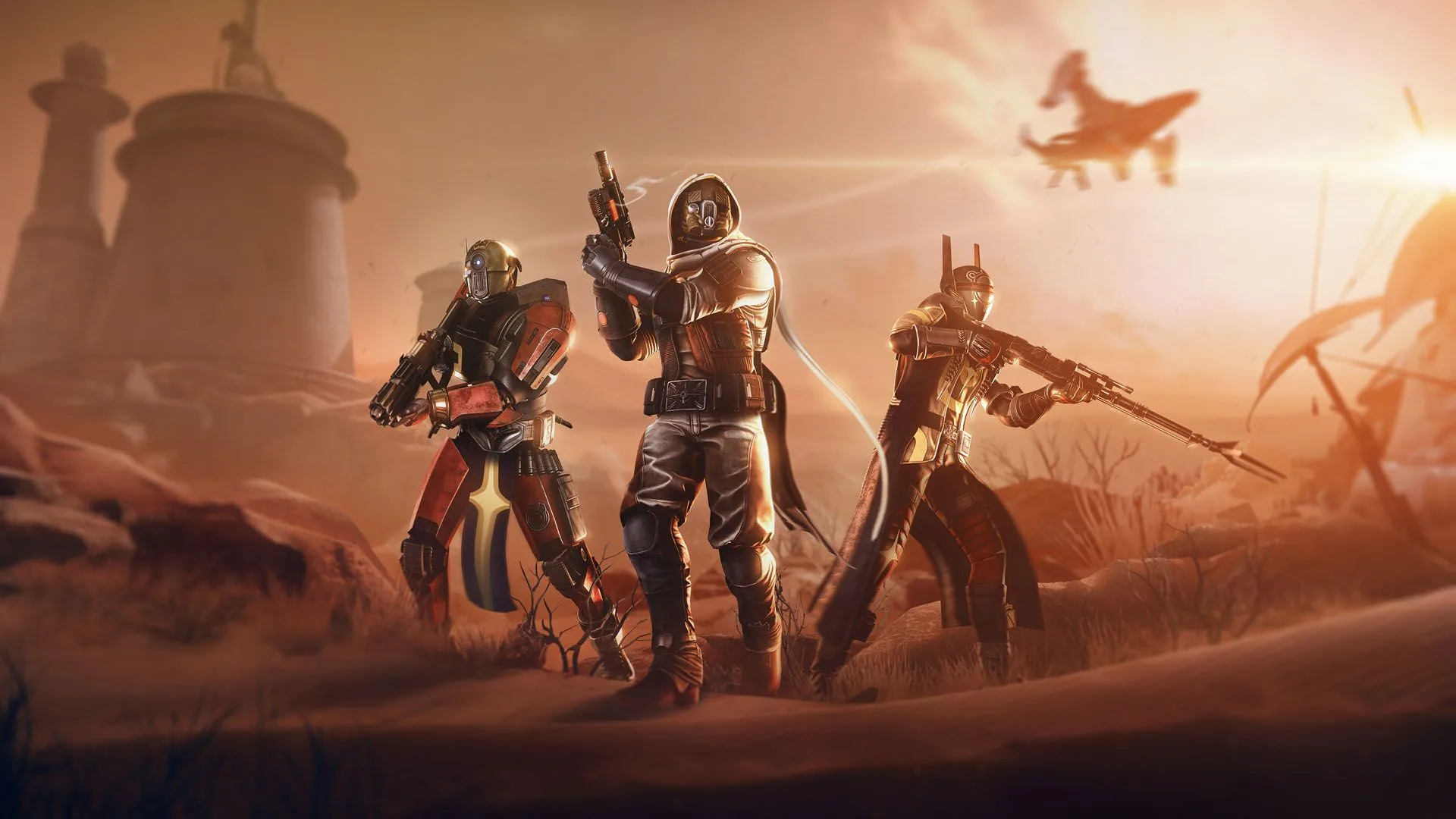
The numbers tell a stark story. In late February 2026, Destiny 2’s Steam concurrent player count hovered around a mere 11,000. This figure would be concerning for a niche indie title, let alone one of gaming’s most storied live-service franchises. This precipitous drop forms the bleak backdrop against which Bungie delivered another seismic piece of news: the next major update, "Shadow and Order," would not arrive on March 3 as planned. Instead, it is delayed by over three months to June 9, 2026, stripped of its name, and promised to be "changed and expanded."
This moment represents more than a schedule slip; it is a potential tipping point. Bungie finds itself navigating a perfect storm: a flagship game in steep decline, a disappointed corporate parent in Sony, and the all-hands launch of its new IP, Marathon, on March 5. The central question hanging over the Tower is whether this delay is a necessary, player-focused recalibration or a desperate sign of deeper systemic trouble.
The Delay and the "Expanded" Vision
Bungie’s announcement, coming less than two weeks before the original launch date, was abrupt. The studio stated the delay would allow the update to be "changed and expanded" to include "sizable quality-of-life updates," a direct response to long-standing community feedback. The "Shadow and Order" branding has been shelved, with the June release to receive a new, unspecified name, symbolizing a broader shift in its scope.
The promised features for this expanded update are significant and speak to core, evergreen player desires:
- Weapon Tier Upgrading: A new system to enhance older weapons.
- Tiered Gear for All Raids/Dungeons: Expanding a popular progression system from newer activities to the game’s entire legacy of pinnacle PvE content.
- Pantheon 2.0: A refresh of the challenging boss-rush mode.
- Tier 5 Exotic Armor Stats: Raising the power ceiling for coveted exotic gear.
These are not typical seasonal offerings; they are foundational system updates designed to improve the core gameplay loop. Their prioritization suggests Bungie is attempting to address fundamental "game health" issues. However, the timing—immediately preceding Marathon’s launch—fueled immediate fan speculation about resource allocation and developer focus.
A Game in Decline: The Hard Numbers
The delay’s urgency is underscored by Destiny 2’s rapidly eroding player base. The 11,000 Steam concurrents is a snapshot of a larger, alarming trend. According to third-party tracker MMO-Population.com, the game’s estimated daily player count stood at 150,355 as of February 18, 2026, representing a -22.8% month-over-month decline.
To grasp the full scale of the downturn, one must look back to the peak following the Edge of Fate expansion in July 2025, which saw an estimated 809,174 players. The current figures mark a staggering -74.7% decrease from that high. While expansions naturally see player spikes that later recede, this level of attrition is severe. The decline was compounded by reported problems with Edge of Fate, which was criticized at launch for an unusual number of bugs and design issues, accelerating player disillusionment. For a live-service game built on consistent engagement, these metrics are a five-alarm fire.
This erosion of the player base has direct and serious financial consequences, a reality Sony has now made public.
The Corporate Backdrop: Sony's Stakes and Statements
The financial and corporate pressure on Bungie is no longer subtext; it is a matter of public record. In November 2025, Sony CFO Lin Tao stated plainly that Destiny 2’s sales and user engagement have "not reached the expectations we had at the time of the acquisition of Bungie." This admission directly ties the game’s performance to revised financial projections and a recorded loss on Sony’s monumental $3.6 billion investment.
This corporate context is crucial. Sony’s disappointment transforms the June update from an important game patch into a critical business imperative. It also inextricably links Destiny 2’s fate to that of Marathon. Bungie is now under a dual mandate: it must demonstrate it can stabilize its existing, underperforming franchise while simultaneously delivering a successful launch for its next potential tentpole. The studio’s autonomy is now being stress-tested by cold, hard financial results.
Bridging the Gap: Can Seasonal Events Hold the Line?
With a three-month content gap now yawning before players, Bungie’s plan to maintain engagement relies on familiar, routine activities. The roadmap includes the Guardian Games event in March, an increased frequency of Iron Banner starting in April, continued portal modifiers, and routine bug fixes.
The critical question is whether this calendar of standard live-service fare is sufficient. For a dedicated player, these events offer rewards and a reason to log in. For a community whose trust is fraying and whose numbers are thinning, they risk feeling like filler—a marking of time until the "real" update arrives. Bungie’s challenge is not just to provide activities, but to foster a sense of momentum that convinces a frustrated player base their patience until June will be worth it.
The Marathon Factor and Bungie's Crossroads
The proximity of Marathon’s March 5 launch date to Destiny 2’s original update schedule is the elephant in the room. While Bungie has separate teams, the reality of modern game development involves shared technological resources, leadership attention, and company-wide morale. The delay inevitably fuels speculation that ensuring Marathon’s successful debut required a reallocation of focus at a critical moment for Destiny 2.
This period represents Bungie’s most complex crossroads in years. The studio must execute a high-stakes balancing act: using the delay to deliver a genuinely transformative update that rebuilds trust in Destiny 2, while also shepherding a new, unproven IP into a brutally competitive extraction-shooter market. Failure on either front would have severe consequences.
The Path Forward: More Than a Patch
The delay of the "Shadow and Order" update is a high-stakes gamble born of necessity. On one hand, the commitment to expanding quality-of-life features is a direct, player-friendly response to criticism. Promising Weapon Tier Upgrading and universal Tiered Gear suggests Bungie is finally listening to core grievances about reward longevity and legacy content.
However, good intentions must now translate into flawless execution. The future of Destiny 2 hinges not merely on a successful June update, but on Bungie’s ability to use it as a foundation to rebuild eroded trust and articulate a clear, sustainable long-term vision. To truly begin reversing its fortunes, Bungie must demonstrate three things beyond the listed features: flawless technical execution free of the bugs that plagued Edge of Fate, a clear, compelling roadmap for the season following the June update to prove this is a new beginning, and a revitalized communication strategy that re-engages a skeptical community.
All of this must be achieved under the intense glare of corporate scrutiny from Sony and amidst the all-consuming effort to launch Marathon. The path forward requires Bungie to be two studios at once: one that can surgically repair its ailing legend, and another that can birth a new one. The next three months will determine if it can succeed at either.
Tags: Destiny 2, Bungie, Game Delay, Player Count, Live Service Games