Dead Space 4 Isn’t Happening: Why EA Says the “Numbers Just Aren’t There”
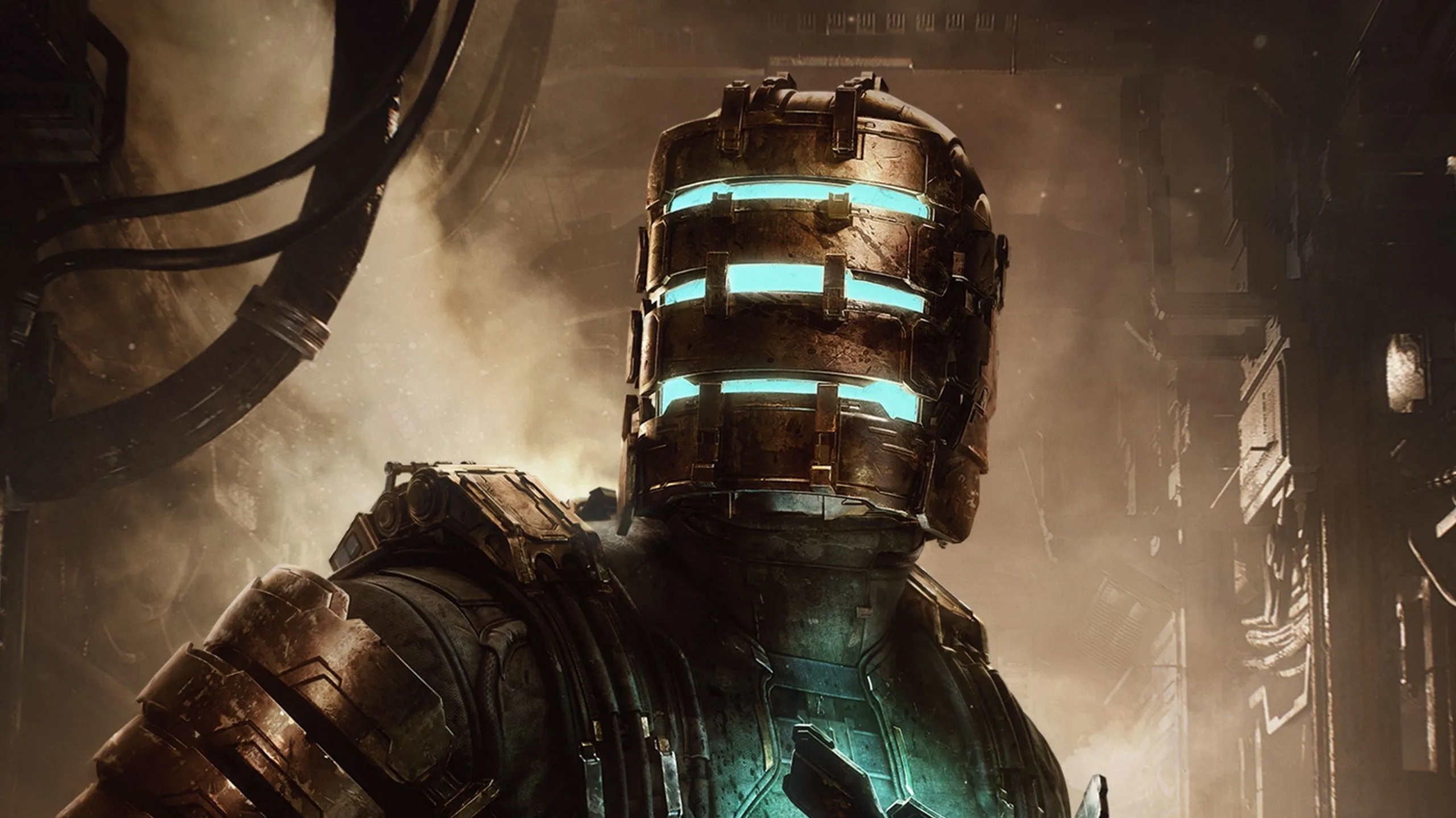
For a moment, it seemed like Isaac Clarke might live again. The 2023 Dead Space remake was a critical triumph—a masterclass in atmospheric terror that honored the series' roots while modernizing its...

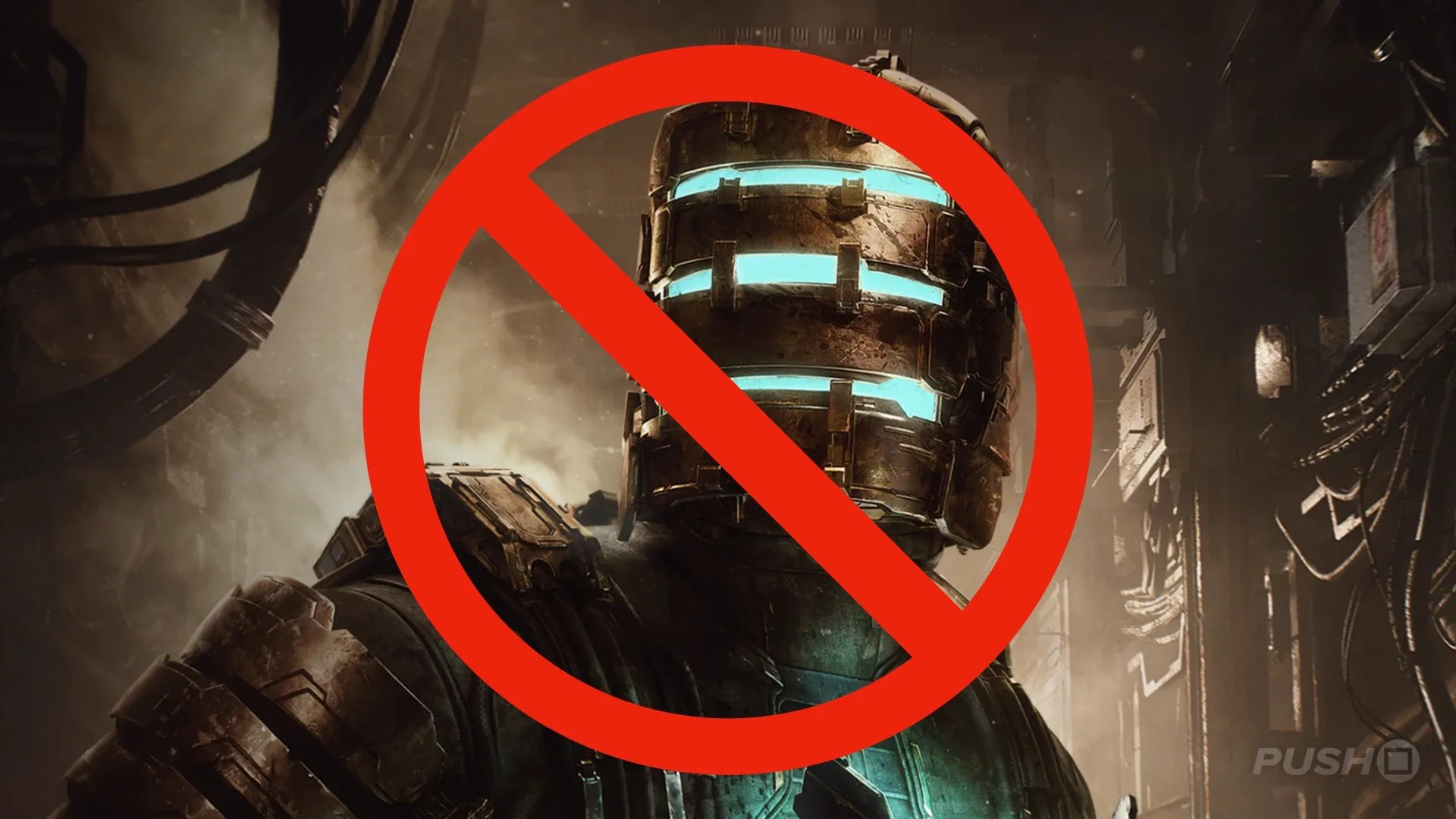
For a moment, it seemed like Isaac Clarke might live again. The 2023 Dead Space remake was a critical triumph—a masterclass in atmospheric terror that honored the series' roots while modernizing its gameplay. Fans dared to hope for a proper fourth installment. But behind the scenes, EA's spreadsheets told a different story. In a candid interview on the FRVR podcast, former Dead Space series writer and producer Chuck Beaver delivered a sobering verdict: a new Dead Space game is unlikely because the “numbers just aren’t there” to justify it financially. This article unpacks why EA is walking away from one of horror gaming’s most beloved franchises, what the sales thresholds really look like, and what the future holds for survival-horror in a live-service-obsessed industry.
The Escalating Cost of Horror
At the heart of the decision lies a cold corporate calculus. Beaver, who worked on the series from its inception, explained that under former EA VP Frank Gibeau, the sales threshold to continue Dead Space was 5 million units. That number, once considered a high bar, has now become a relic of a bygone era. Beaver estimates that the current threshold has ballooned to around 15 million units, driven by skyrocketing development costs, marketing expenditures, and the need for sustained post-launch revenue.
“The Dead Space series has a fervent fan base,” Beaver acknowledged, “but that loyalty doesn’t translate into the kind of numbers EA demands today.” The 2023 remake, while a critical success and well-received by players, fell short of this new, inflated benchmark. Beaver noted that a new Dead Space would likely need to sell at least 7 million units to be viable, a target he compared to the Resident Evil series, which regularly sells around 7 million copies per entry. But even that figure, he argued, might not be enough given EA’s current financial expectations.
“It’s not that the game is bad,” Beaver clarified. “It’s that the business model has changed. The cost of making a triple-A game has risen exponentially, and the return on investment has to match.” For a publisher like EA, which operates on a portfolio of blockbuster franchises, a game that sells “only” 5 million copies is no longer a success—it’s a liability.
The Single-Player “Dinosaur”
Beaver didn’t mince words when describing the broader industry trend that has left Dead Space in the dust. He described single-player games without live-service offerings as a “dinosaur fossil of a business model,” noting that companies like EA are now obsessed with finding “the next Fortnite” as a perennial moneymaker. This shift has profound implications for narrative-driven horror, a genre that traditionally relies on linear, curated experiences rather than ongoing player engagement.
EA’s recent track record reinforces this pivot. The publisher considered Dragon Age: The Veilguard a failure despite its positive reception, because it failed to break beyond the core audience and did not generate the sustained revenue of a live-service title. “If a game doesn’t have a battle pass, a season pass, or some way to keep players spending month after month, it’s seen as a risk,” Beaver explained. Dead Space, with its focus on a tight, 12-to-15-hour campaign and no multiplayer component, is the antithesis of that model.
The result is a stark reality for fans: even a critically acclaimed single-player game can be deemed a failure if it doesn’t meet EA’s new, live-service-centric metrics. The remake’s success—measured in critical praise and player satisfaction—was not enough to outweigh the corporate demand for deeper engagement, microtransactions, and ongoing revenue streams.
The Spiritual Successor That Didn’t Help
If EA’s internal math wasn’t discouraging enough, the fate of Dead Space’s most direct spiritual successor offered an even bleaker lesson. The Callisto Protocol, created by original Dead Space executive producer Glen Schofield, was intended to recapture the survival-horror magic. Yet, it met with flat sales and mixed reviews upon its 2022 release. Schofield himself stated in 2025 that he “may be done making games entirely,” signaling the broader challenges facing the genre in a live-service-dominated market.
The failure of The Callisto Protocol to reignite interest in the sub-genre further dampened any hopes for a Dead Space revival. It demonstrated that even a direct lineage to the original creators could not guarantee commercial success. For EA, this served as a cautionary tale: the audience is loyal, but too small to justify the investment required for a triple-A release.
“The community wants it,” Beaver acknowledged, “but the numbers don’t lie. The Dead Space fan base is passionate, but it’s not the size of Call of Duty or FIFA.” That disparity, he argued, is the fundamental reason why the series remains on ice.
What’s Next for Dead Space – On Ice, or Sold Off?
So, what does the future hold for Isaac Clarke and the Necromorphs? According to recent rumors, the Dead Space IP is “on ice” and could potentially be sold off to help cover EA’s acquisition debt. While EA has not confirmed these reports, the logic is clear: an IP that doesn’t generate sufficient revenue is a liability, not an asset. Could a scaled-down, $40 Dead Space experience work? Possibly—but EA has shown little interest in mid-budget horror, and the company’s current strategy favors blockbusters or live-service titles.
Beaver’s own comments suggest that even the creators have accepted the franchise’s fate. He noted that the series stopping after Dead Space 3 “didn’t feel unfair at all,” despite the disappointment felt by team members and the community. “We had our run,” he said. “The story was told. Sometimes, it’s better to leave a legacy intact than to drag it out.”
For fans, the path forward may not lie with EA—but with indie developers or smaller publishers willing to take risks on atmospheric, narrative-driven horror. The success of games like Amnesia: The Bunker, Signalis, and Alien: Isolation (which itself found a second life on streaming platforms) suggests that there is still a hungry audience for survival-horror, even if it can’t support a blockbuster budget. These titles succeeded by embracing smaller budgets, focused design, and creative risk-taking—a model that might suit a Dead Space-style experience far better than EA’s current calculus.
The Ghost Ship Remains
The hope for Dead Space 4 may finally be extinguished, but the reasons behind its cancellation reveal a deeper truth about the modern gaming industry. As companies like EA chase the next live-service juggernaut, classic single-player horror franchises are increasingly seen as risky investments. The Dead Space remake proved the audience is still there—but not in the numbers that satisfy today’s corporate bottom line. For now, the Ishimura remains a ghost ship, and the series is likely to stay on ice. But as the indie scene continues to thrive, the spirit of Dead Space may yet live on in smaller, more daring projects that don’t need to sell 15 million copies to survive.