Cyberpunk 2077 at 5: From Infamous Launch to Definitive Success Story
December 2020 shook the gaming industry to its core. What was supposed to be the triumphant culmination of nearly a decade of hype from the creators of The Witcher 3 instead became a case study in...

December 2020 shook the gaming industry to its core. What was supposed to be the triumphant culmination of nearly a decade of hype from the creators of The Witcher 3 instead became a case study in catastrophic failure. Cyberpunk 2077 launched broken—a mess of bugs, missing features, and unfulfilled promises so severe that Sony pulled it from the PlayStation Store, investors filed lawsuits, and CD Projekt Red’s stock value plummeted. The refunds flowed, the memes spread, and the dream of a revolutionary RPG seemed dead on arrival.
Now, as it approaches its fifth anniversary, that same game boasts over 35 million copies sold, sustains a peak concurrent player count near 44,000 on Steam, and is hailed as "one of the best comeback stories in gaming." It has outsold The Witcher 3 in the same post-launch period and stands as the primary engine driving CD Projekt’s financial success. This stark contrast forces a compelling question: five years on from one of gaming’s most infamous launches, can Cyberpunk 2077 truly be considered a success? The evidence points not just to a yes, but to one of the medium’s most remarkable and hard-won redemption arcs.
The Measure of Success: Commercial Dominance and Player Engagement
For any AAA blockbuster, the bottom line is a fundamental metric. By this measure, Cyberpunk 2077’s success is not just clear; it’s dominant.
Unrivaled Commercial Performance
The raw sales numbers are staggering. With over 35 million copies sold, the game has surpassed the commercial trajectory of its legendary predecessor, The Witcher 3. More importantly, it has evolved from a liability into CD Projekt’s financial cornerstone. The game consistently drives major revenue, with recent financials showing its segment generating year-over-year increases that underscore its incredible longevity. This isn’t just a game that sold well at launch; it’s a product that continues to perform half a decade later.
Sustained Vitality
Sales tell only part of the story. Player engagement reveals a living, breathing game. Maintaining a peak of nearly 44,000 concurrent players on Steam years post-release is a figure most live-service games would envy, let alone a single-player RPG. This sustained vitality demonstrates that Cyberpunk 2077 has transcended its initial hype-and-crash cycle to establish lasting appeal. Players aren’t just buying it; they’re actively playing and replaying it.
Expansion Through Accessibility
CD Projekt has masterfully extended the game’s lifecycle by breaking down platform barriers. The release on Mac, its addition to the PlayStation Plus catalog, and potential future releases on new hardware open Night City to entirely new audiences. This strategic move doesn’t just boost base game numbers; it directly fuels continued sales of the Phantom Liberty expansion, proving that a well-supported single-player title can have a commercial tail that rivals games-as-a-service.
The Road to Redemption: Fixing a Broken Promise
The commercial triumph exists only because of a grueling, multi-year campaign to salvage trust and rebuild a shattered product. The success of today is defined by the scale of the failure it overcame.
Acknowledging the Fall
The launch wasn’t merely "buggy." It was a systemic breakdown. Last-gen console versions were borderline unplayable, promised features like a meaningful police system or immersive NPC routines were absent, and the technical disasters were so widespread they triggered unprecedented consumer protection interventions. The damage to CD Projekt’s reputation was severe, and the financial repercussions were immediate and brutal.
The Commitment to Fixes
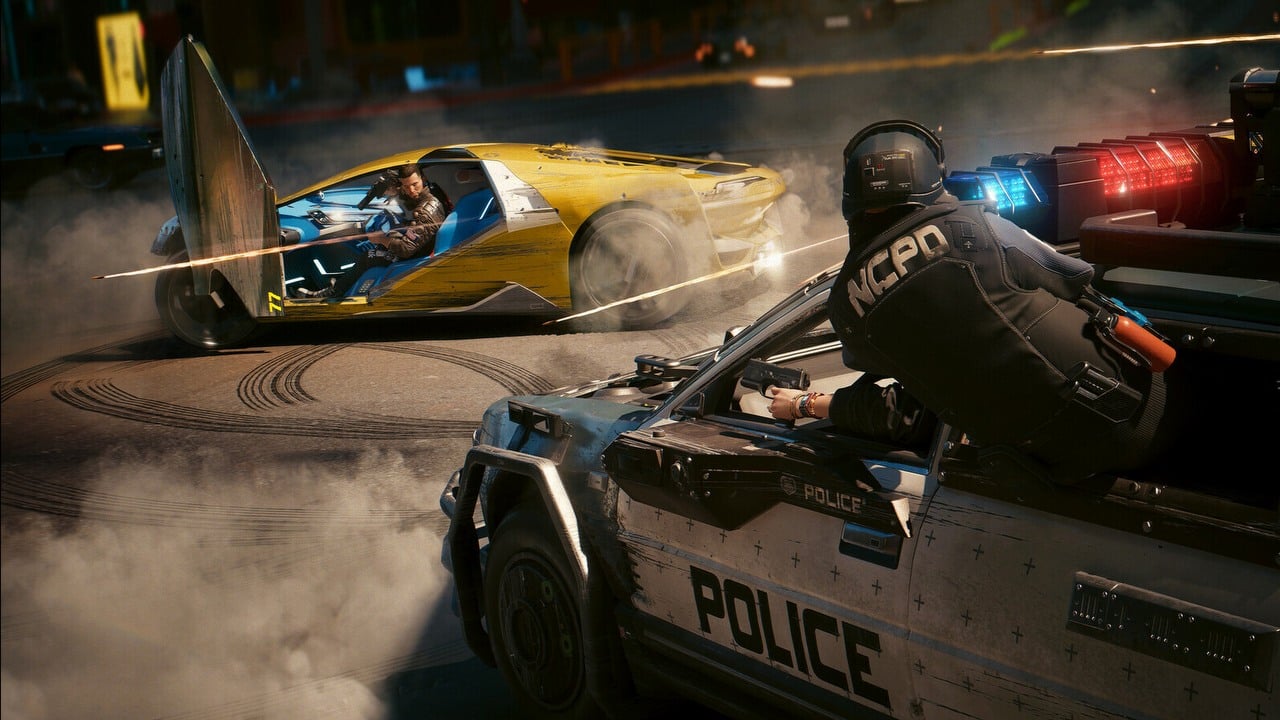
What followed was an unprecedented pledge from the studio: a commitment to fix the game, no matter the cost or time. This moved far beyond simple bug-squashing. CD Projekt embarked on systemic overhauls—redesigning skill trees, revamping the police and combat AI, adding vehicle combat, and implementing a full transmog system. The most impactful of these was likely the complete skill tree revamp in Update 2.0, which transformed simple stat boosts into a system enabling truly distinct character builds, finally delivering the deep role-playing flexibility that was a core promise of the original vision. This wasn’t a patch job; it was a public, painstaking reconstruction of the game’s very foundations.
Phantom Liberty: The Turning Point
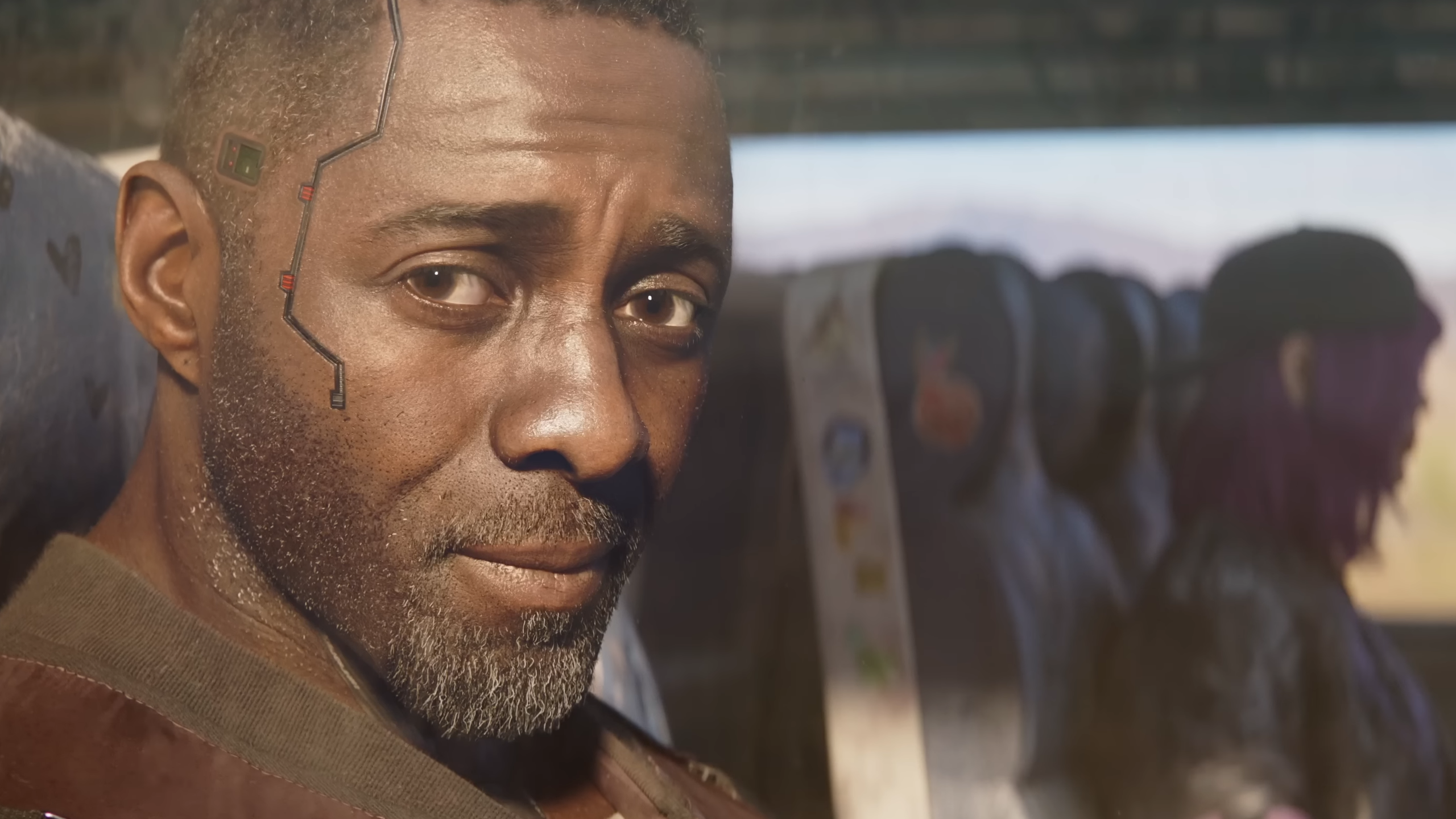
The 2023 release of the Phantom Liberty expansion was the definitive turning point. More than just excellent DLC, it served as the culmination of the recovery effort and a proof-of-concept for the original vision. With its tightly woven spy-thriller narrative, the stunning new district of Dogtown, and the integration of all the foundational fixes, Phantom Liberty was the moment critics and players could finally declare: "This is what it was supposed to be." It was the keystone that completed the redemption arch, transforming the narrative from "failed project" to "phoenix rising from the ashes."
Legacy and Future: Building on a Reclaimed Foundation
Today, Cyberpunk 2077 stands not as a cautionary tale, but as a reclaimed foundation for a franchise with a suddenly bright future.
A "Complete" Experience
The critical consensus has completely flipped. Where once there was derision, there is now acknowledgment of a "complete, solid, and well-performing experience" and a "fine open world RPG." This shift in perception is the cultural victory that completes the turnaround. The game is now judged on its considerable merits—its compelling characters, its atmospheric world-building, its impactful storytelling—rather than its infamous launch state.
Fan Passion and Unfulfilled Hopes
The passionate community that now exists is perhaps the ultimate testament to the recovery. This passion is visible in the sustained player counts, a vibrant modding scene, and the intense speculation that follows any official communication from CD Projekt. The community’s hunger, even after the studio stated major updates were finished, shows a level of engagement most developers can only dream of fostering.
Laying the Groundwork for Cyberpunk 2
All of this effort has securely greenlit the future. The sequel, Project Orion (Cyberpunk 2), is actively in development. As of late 2024, over 135 people are already working on it across CD Projekt’s global studios, with plans to scale the team significantly. Creator Mike Pondsmith has teased a new dystopian city alongside Night City, and Keanu Reeves has expressed strong interest in returning as Johnny Silverhand. While fans must be patient—the sequel is not expected until well after the release of The Witcher 4—the franchise’s future is no longer in doubt. It is being built on a foundation of regained trust.
So, is Cyberpunk 2077 a success? The answer is a resonant yes, but one that requires a holistic view. Commercially, it is an undeniable blockbuster. Critically, it has been rehabilitated from a laughingstock to a respected RPG. Culturally, its journey from disaster to redemption is now a legendary part of gaming history. The true success lies not in erasing the disastrous launch of December 2020, but in the monumental, years-long effort to honor the promise made to players. Night City was saved not by forgetting its disastrous birth, but by the relentless work to finally make it a home worth fighting for—a lesson in redemption that will resonate in gaming long after the sequel arrives.
Tags: Cyberpunk 2077, CD Projekt Red, Video Game Industry, Game Development, Phantom Liberty