Crimson Desert's Resurgence: How Post-Launch Patches Fueled a Player Surge and Solidified Its Contender Status
When Crimson Desert finally launches after its long and storied development, the atmosphere will be a complex mix of triumph and intense scrutiny. Pearl Abyss’s ambitious open-world action RPG, a...

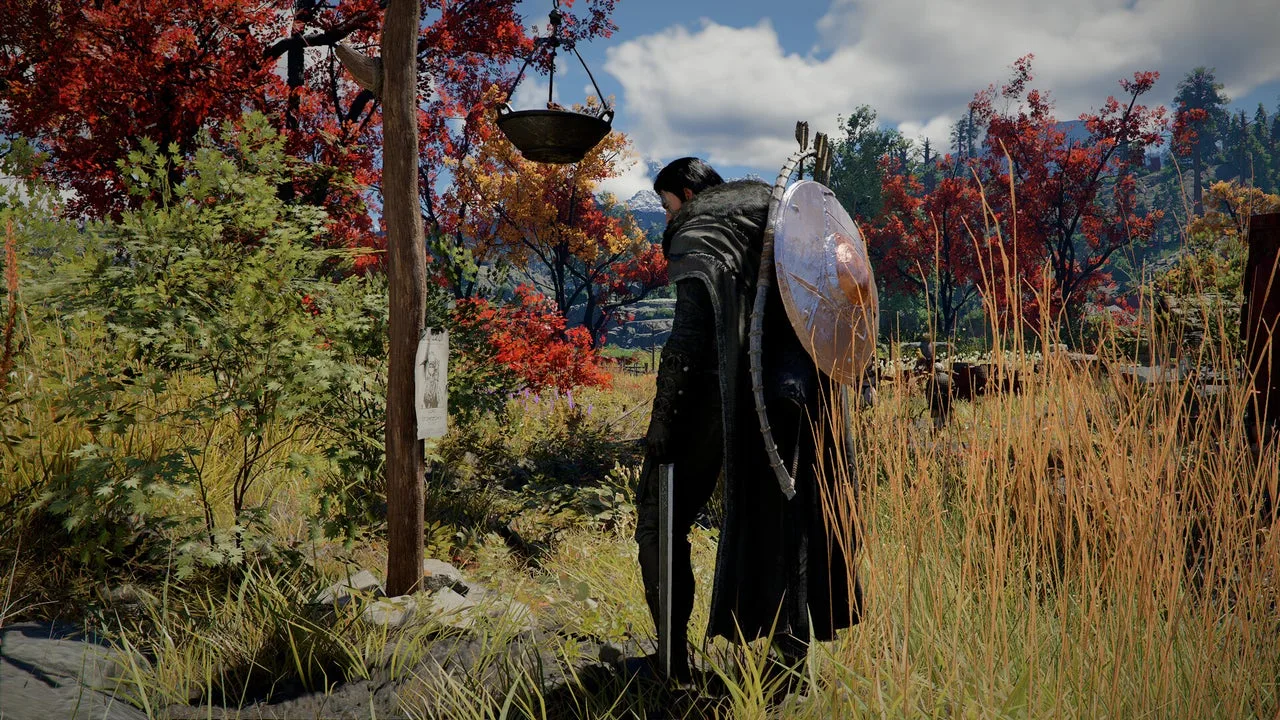
When Crimson Desert finally launches after its long and storied development, the atmosphere will be a complex mix of triumph and intense scrutiny. Pearl Abyss’s ambitious open-world action RPG, a spiritual successor to the Black Desert lineage, will arrive with immense expectations. Based on common industry patterns, the initial reception could be fractured. While it may secure a solid commercial foothold, player sentiment on platforms like Steam could settle into a cautious “Mixed” rating. The familiar narrative of a hyped title facing a post-launch decline might seem imminent.
However, the game’s long-term fate will not be sealed at launch. This analysis explores a potential path to success: how a committed, player-focused post-launch strategy could, months later, propel Crimson Desert to a remarkable resurgence. Imagine a scenario where, defying trends, it rockets to a new peak of over 270,000 concurrent players on Steam, temporarily ranking among the platform’s most-played games. The pivotal question is: how could a series of targeted updates not only salvage player sentiment but transform the game into a genuine contender?
The Potential Turnaround: From Mixed Reviews to a Player Count Peak
A milestone like 270,000+ concurrent players months after launch is more than a statistic; it’s a statement. In the modern gaming landscape, such sustained growth post-launch is rare, typically reserved for titles that evolve significantly through responsive live service models. For Crimson Desert, such a surge would represent a dramatic reversal of fortune.
The foundation would be a strong commercial start, but the real story would be sustained engagement. This player count peak would need to directly correlate with a seismic shift in community perception. The game’s Steam user review rating would have to undergo a profound transformation, climbing from an initial “Mixed” status to a “Very Positive” aggregate. This dual achievement—peak concurrent players and a redeemed review score—would signal a rare phenomenon: a game winning back its audience through decisive action.
The Blueprint for a Comeback: Responsive Patches & Transparent Communication
The engine of this potential resurgence would be a targeted, player-focused update strategy, crystallized in a major early patch. This wouldn’t be a content drop filled with new story beats, but a quality-of-life and gameplay refinement overhaul designed to address the community’s loudest grievances head-on. Pearl Abyss's stated commitment to post-launch support provides a clear blueprint.
Targeted Quality-of-Life & Performance Fixes:
- Performance: Significantly decreased loading times.
- Traversal: Improved movement and flight controls, with a specific reduction in punishing stamina drain to make exploration more fluid.
Addressing Direct Player Feedback:
- Clarity: Overhauling confusing UI systems, such as mechanics for locked doors.
- Polish: Replacing any criticized placeholder or low-quality 2D visual assets, directly responding to community concerns about asset fidelity.
Strategic Gameplay Tuning:
- Balance: Fine-tuning core combat and boss encounters, potentially adjusting health pools and damage output based on player data to improve fairness and flow.
- Responsiveness: Enhancing attack and ability feedback to make combat feel more precise.
This patchwork strategy would need to be underpinned by refreshingly transparent communication. Pearl Abyss CEO Jeonghee Jin has already candidly previewed this approach, acknowledging that the game’s story could face criticism and noting the team’s priority is “strengthening the completeness of the game’s key gameplay” first. Following such a player milestone, a public thanks to the community would foster a positive feedback loop. The message must be clear: player feedback is not just being collected, it is being implemented. In an era where players often feel unheard, this strategy could build considerable goodwill, turning critics into advocates.
Beyond the Patch Notes: Forging Contender Status
This post-launch work would build upon what is expected to be a solid critical foundation; previews suggest a game with a strong core. The player surge would fundamentally alter its position in the annual awards conversation. While many contenders shine brightly at launch and fade, a Crimson Desert resurgence would demonstrate remarkable staying power and a powerful narrative of community redemption. A Game of the Year contender is increasingly about impact, longevity, and the ability to capture and hold attention. By potentially resurrecting its player base and review scores, Crimson Desert could prove its resilience in a way few titles manage.
The known future roadmap supports this long-term view. While not focused on immediate DLC, Pearl Abyss’s reported exploration of additional platform versions, like a Nintendo Switch 2 port, indicates a vision for a long-term, multi-platform future. The focus would remain on perfecting the core experience.
Conclusion: A New Template for Post-Launch Recovery
Crimson Desert’s potential journey from a mixed debut to a Steam top-tier phenomenon presents a compelling case study in modern game stewardship. A soaring player count would be the direct reward for a committed, responsive post-launch strategy. It underscores a potent truth for ambitious AAA titles: a launch is merely the opening act. If executed well, this path would solidify a new template for live-service-adjacent recoveries, proving that a launch stumble isn't a death sentence—it's the first test of a developer's true commitment to its players. For Crimson Desert, its legacy may ultimately be defined not by its first day, but by its relentless first year.
Tags: Crimson Desert, Pearl Abyss, Game Updates, Player Count, Steam Charts, Live Service, Post-Launch Support